
Montana judge strikes down restrictive sex definition law
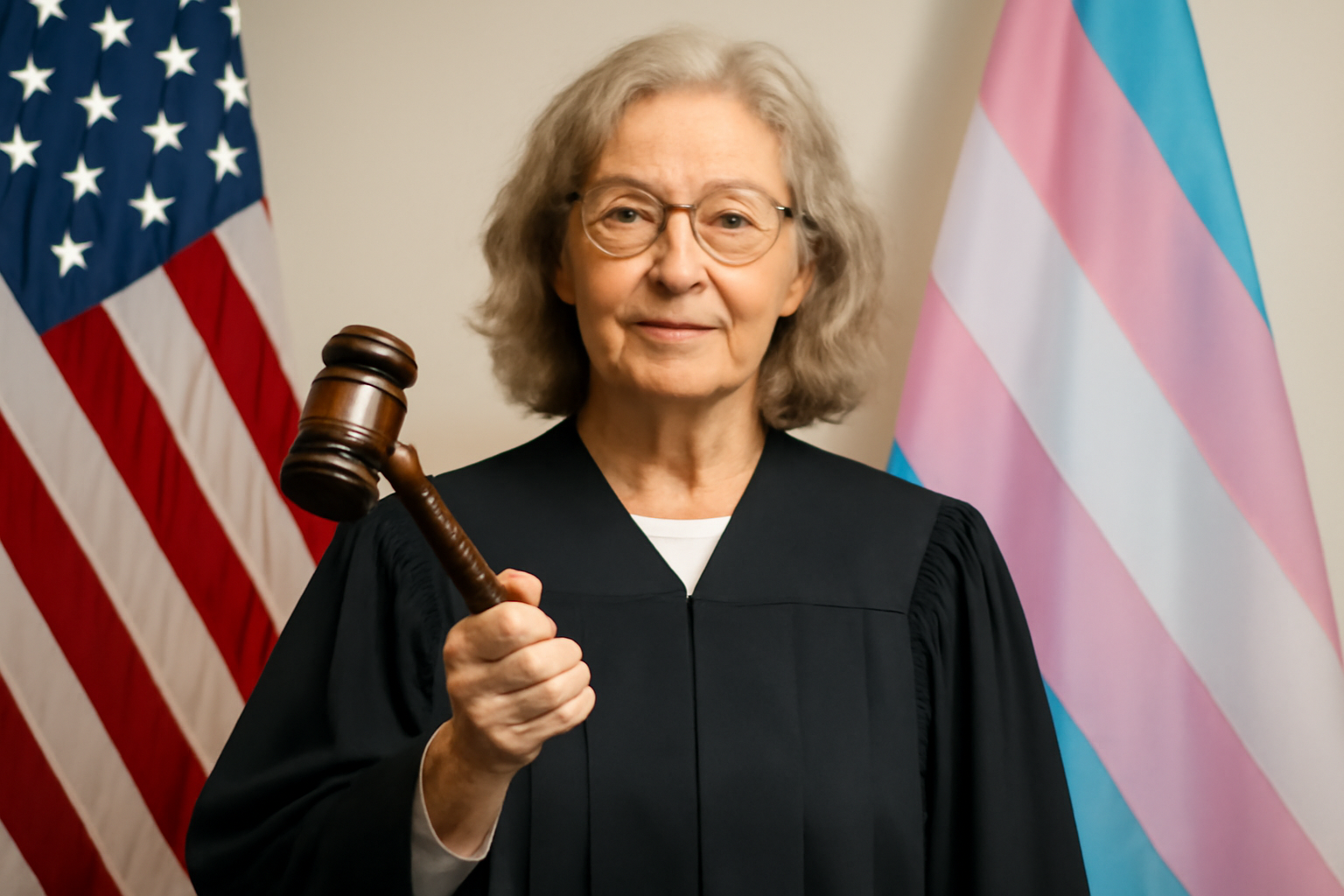
Montana has seen a significant legal victory that shakes up attempts at rigidly defining sex. A judge in Montana has overturned a controversial state law that limited sex recognition only as male or female. This ruling could have ripple effects on similar laws across America, highlighting a pushback against what many see as an attempt at marginalizing transgender and intersex people.
Senate Bill 458, passed in 2023, sparked outrage among LGBTQ+ advocates due its strict binary classification, effectively negating legal recognition and protection. Judge Leslie Halligan from Missoula County District Court struck down this legislation, aptly calling it "legal fiction."
Judge Halligan wrote in her ruling, "By declaring as a matter that a human can only be 'exactly' one gender, S.B. 458 effectively erases certain individuals from legal acknowledgment, causing direct harm stemming from S.B. 458."
What this means in Montana
The lawsuit was brought forward by a group including transgender and intersex residents with unique genetic conditions that are not easily categorized as simply male or female. Under this law, they faced misidentification on official documents, posing significant legal and personal challenges.
One key example was a plaintiff with XY chromosomes—typically male—who identifies and presents as a woman. Despite being a cisgender woman, under S.B. 458, she would be legally classified as male.
While Montana officials argued that such strict definitions didn't harm residents, Judge Halligan firmly disagreed, pointing out real and immediate harm suffered by those affected.
Legal consequences and community reaction
Judge Halligan's decision went further than addressing present harm, highlighting how this law would have legalized discrimination against those whose sex didn't match their gender identity by using legislative jargon.
The judge criticized Montana's view that these cases were just "the rare few," stressing that such a stance belittles protections offered by Montana's Constitution. Halligan emphasized, "It's never been acceptable here that a 'rare few,' even if unpopular, should be left unprotected under law."
She flagged how such legislation meddles unnecessarily in private medical matters, violating personal rights and privacy. The judge harshly condemned it as "intellectually and morally indefensible," allegedly cloaked under health concerns.
Anna Tellez, one plaintiff, celebrated this ruling as a win not just specific gender-diverse Montanans, but "for every person living in Montana," reinforcing anti-discrimination principles.
Amid a time when legal recognition and rights surrounding transgender and intersex identities are fiercely debated nationwide, this decision could become a critical reference point in challenging similar laws in other states.
For those in and out Montana's LGBTQ+ community, this marks a step forward in securing equality and recognition. It stands as a reminder that no one should be denied legal protections because their gender identity or sex characteristics aren't neatly defined.
Want more updates? Subscribe now. Stay ahead on how legal changes affect LGBTQ+ communities and keep informed about societal shifts.
Be part an important conversation advocating inclusivity and equality.
Related Posts
Supreme Court to Address State Bans on Trans Women in Female Sports
The upcoming U.S. Supreme Court term promises to be a pivotal moment for transgender rights, as the nation's highest court has agreed to evaluate whether states have the authority to prohibit transgender women from participating in female sports competitions. This case, scheduled to be argued in the next term beginning October, is expected to have a significant impact on the future of sports inclu [...]
Megan Rapinoe and Sue Bird Announce Amicable Separation After Ten Years Together
In a heartfelt announcement that resonated deeply within the sports and LGBTQ+ communities, soccer star Megan Rapinoe and basketball legend Sue Bird have revealed their decision to part ways after nearly a decade together. The couple, who have been icons both on and off the field, shared the news with their fans through a joint statement on social media, expressing that the choice was made with mu [...]
Groundbreaking Ruling Ends Sodomy Ban for Police and Military in the Dominican Republic
The Constitutional Court of the Dominican Republic recently delivered a landmark decision on November 18th, ruling that the nation’s police and armed forces are not permitted to criminalize consensual same-sex relations among their personnel. This pivotal ruling is a significant stride towards equality and the protection of LGBTQ+ rights within these institutions. A Resounding Victory for Equal [...]