
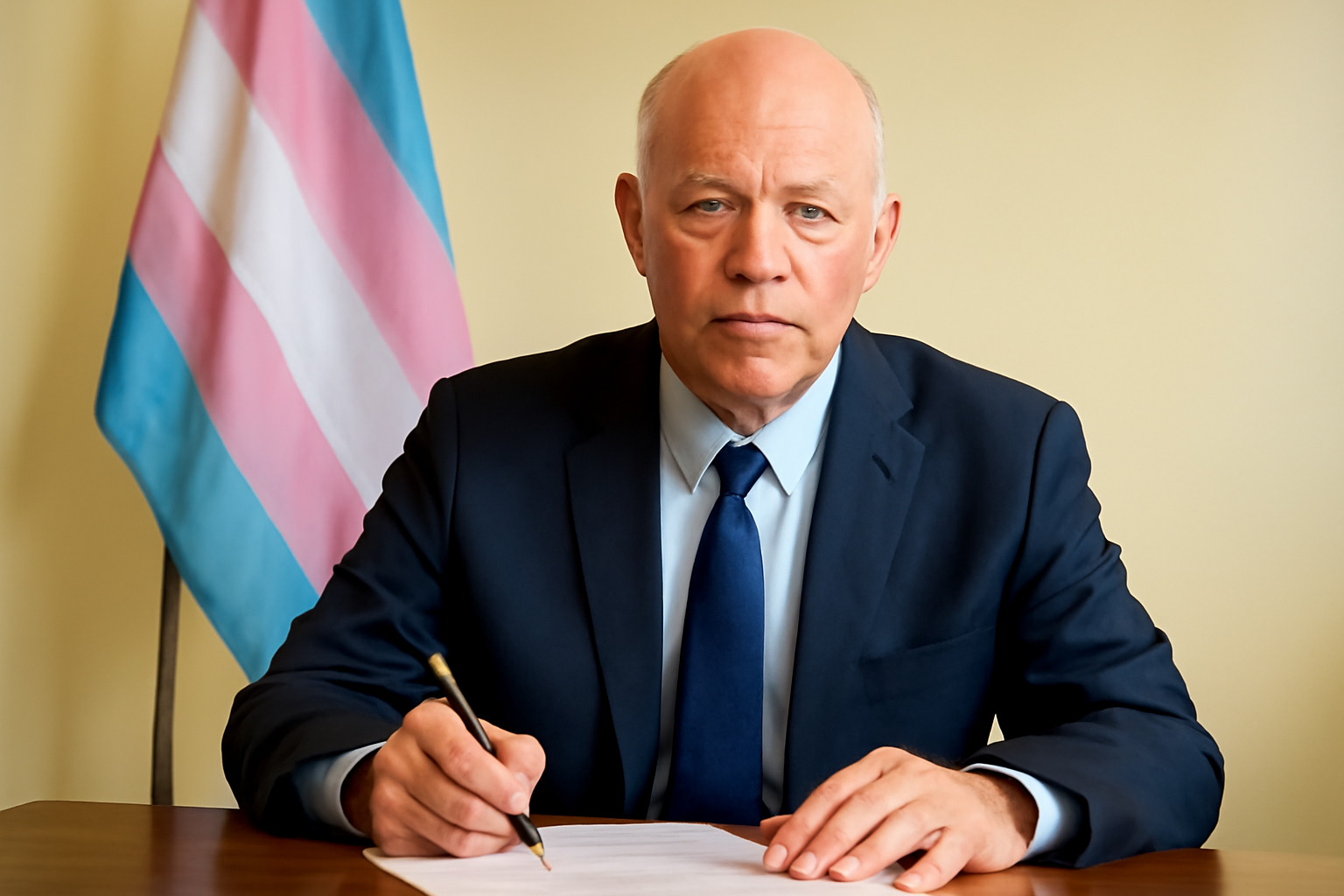
Recently, Montana's Governor Greg Gianforte signed off on two controversial laws that have grabbed a lot more attention than he might have anticipated. These laws target transgender folks, putting limits on their access and participation in public spaces and sports, which has sparked a heated debate across various circles.
Breaking down what's in these laws
The first law, House Bill 121, poses significant restrictions on transgender individuals by dictating that they must use restrooms, locker rooms, and sleeping or living spaces that match their sex assigned at birth. This applies in places like jails, schools, and even libraries. If someone goes against this rule, they could face legal action—unless, that individual falls under specific exemptions like maintenance workers or healthcare providers, who are excused from these restrictions.
Then there`s House Bill 300, which complicates matters in sports. It stops transgender women and girls from joining female sports teams. Plus, it somehow declares that misgendering or using a dead name isn't considered discriminatory, and it blocks schools from using diversity policies in admissions. Sound fair?
The governor's viewpoints and public reactions
Governor Gianforte has stuck by these laws, claiming they're all about protecting women and girls by maintaining privacy and safety and ensuring fairness in sports. However, many advocacy groups and community leaders aren't buying it.
Opponents say these laws do nothing but further isolate transgender individuals without genuinely solving any safety or fairness issues in sports or public spaces. Zooey Zephyr, a transgender state legislator, has been vocal in opposing these laws, questioning their legality and stressing how they strip rights away from trans Montanans without making women any safer.
The ACLU's also stepped in, highlighting how trans people already face a lot more harassment in public places. They argue that these bills ignore intersex and nonbinary people by boxing everyone in with a rigid definition.
The ripple effect and growing opposition
By passing these laws, Montana joins a growing list—now 27 states have similar restrictions on transgender women in sports, and 17 limit restroom access based on birth-assigned gender. This trend has lit a fire under human rights organizations, sparking a bigger conversation nationwide.
Groups like The Movement Advancement Project point out that these laws are built on myths and stereotypes rather than facts. They highlight how damaging these policies are on transgender and gender-non-conforming people's mental well-being.
Advocates are calling out these measures and pushing instead towards policies that truly support all individuals. They want real issues in women`s sports, like unequal funding, addressed rather than targeting already vulnerable groups.
With legal battles ahead, what's truly going happen with these laws remains uncertain. However, one thing's clear—this issue over transgender rights and inclusion isn't going away, and how it unfolds could have big implications down line.
To stay in tune with how these happenings might affect you or how you can make a difference, maybe consider signing up with newsletters or groups focusing on LGBTQ+ issues and updates.
Wrapping it up
As Montana rolls out these contentious laws, it throws a spotlight back onto discussions around transgender rights and inclusivity, making them more pressing than ever. It`s critical that communities stay alert and active in defending transgender people`s dignity and rights. By keeping informed and involved, we help move toward a fairer society.
Related Posts
Supreme Court to Address State Bans on Trans Women in Female Sports
The upcoming U.S. Supreme Court term promises to be a pivotal moment for transgender rights, as the nation's highest court has agreed to evaluate whether states have the authority to prohibit transgender women from participating in female sports competitions. This case, scheduled to be argued in the next term beginning October, is expected to have a significant impact on the future of sports inclu [...]
Megan Rapinoe and Sue Bird Announce Amicable Separation After Ten Years Together
In a heartfelt announcement that resonated deeply within the sports and LGBTQ+ communities, soccer star Megan Rapinoe and basketball legend Sue Bird have revealed their decision to part ways after nearly a decade together. The couple, who have been icons both on and off the field, shared the news with their fans through a joint statement on social media, expressing that the choice was made with mu [...]
Groundbreaking Ruling Ends Sodomy Ban for Police and Military in the Dominican Republic
The Constitutional Court of the Dominican Republic recently delivered a landmark decision on November 18th, ruling that the nation’s police and armed forces are not permitted to criminalize consensual same-sex relations among their personnel. This pivotal ruling is a significant stride towards equality and the protection of LGBTQ+ rights within these institutions. A Resounding Victory for Equal [...]