
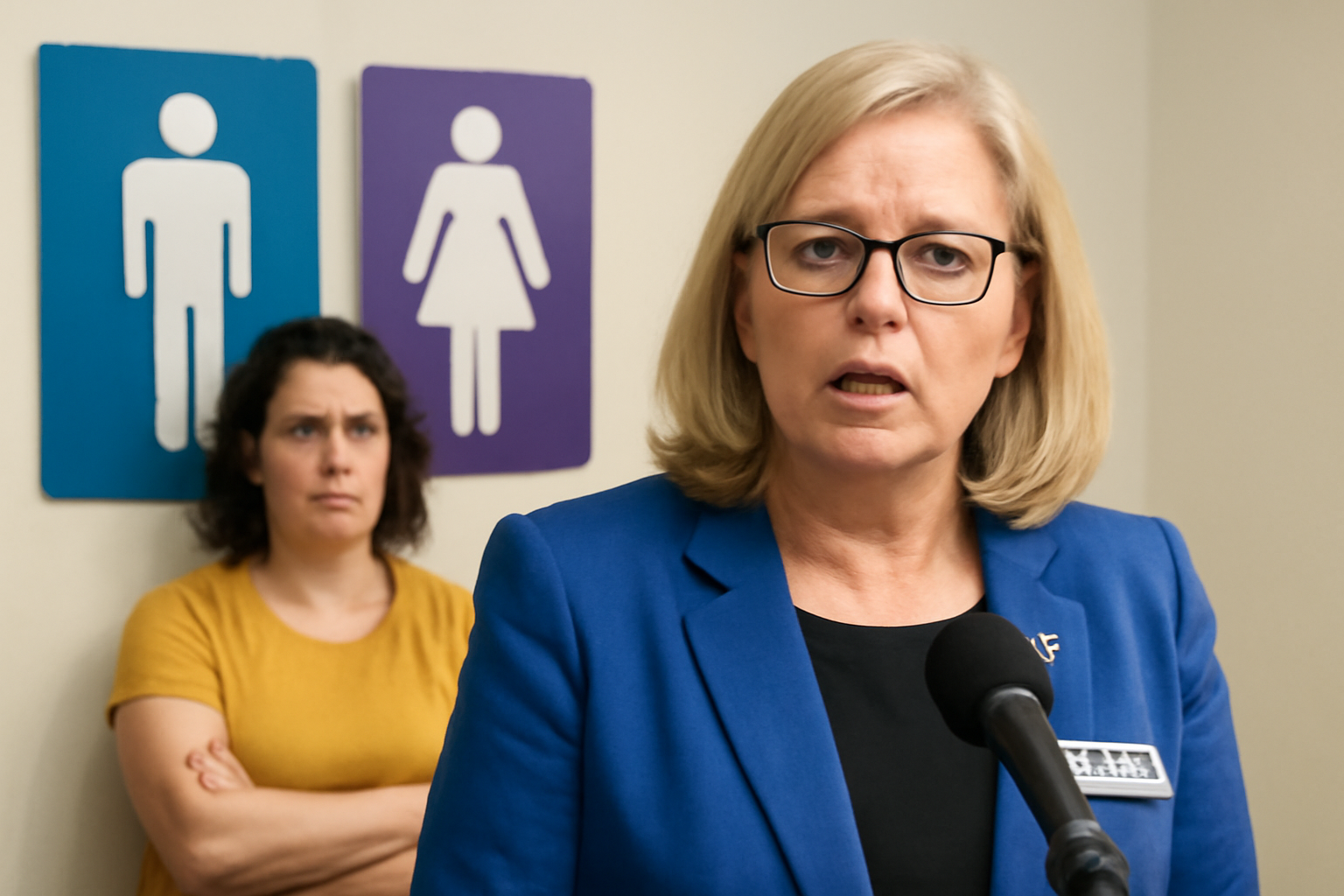
The Montana House of Representatives recently passed a controversial bill, heavily opposed by LGBTQ+ advocates, which would effectively ban transgender individuals from using restrooms in public facilities that match their gender identity. Despite emotional objections from Democratic lawmakers, the bill, introduced by Republican Representative Kerri Seekins-Crowe, passed largely along party lines with a vote of 58-42.
Representative Seekins-Crowe has been a vocal advocate for the bill, claiming that it is necessary to protect women's privacy and safety in public restrooms. "It's about ensuring that women's spaces remain safe and private," she stated during a heated debate in the House. Critics, however, argue that the bill is based on unfounded fears and misconceptions about transgender individuals.
Implications for Transgender Montanans
The legislation would impact a wide range of public buildings, including schools, prisons, jails, and domestic violence shelters. If enacted, it would allow individuals who encounter transgender people in these facilities to sue them or the institutions that permitted their entry. Opponents of the bill argue that this could lead to harassment and discrimination against transgender individuals, who already face significant challenges and stigma.
During the debate, Representative Zooey Zephyr, one of the state's first openly transgender lawmakers, passionately spoke against the bill. "Trans people walk through the state of Montana afraid enough already," Zephyr said, urging her colleagues to "leave trans people alone" and allow them to live their lives without fear of discrimination or violence.
In an equally emotional plea, Representative SJ Howell, another Democratic opponent, highlighted the harm such a bill could cause to transgender individuals who simply want to use the restroom that aligns with their gender identity. "This bill is not about safety; it's about fear and misunderstanding," Howell argued.
Controversial Remarks by GOP Lawmaker
The debate took another turn when Republican State Representative Jedediah Hinkle introduced a new argument in favor of the bill. Hinkle claimed that some transgender women, who are also attracted to women, might pose a threat to cisgender women in restrooms. "I know of a transgender person who is attracted to women," he said, as if the concept of lesbians was foreign to him.
Hinkle went on to suggest that the presence of lesbians in women's restrooms could be problematic, drawing a bizarre analogy to a cisgender male janitor who allegedly "got off" by listening to women in restrooms. These comments were quickly criticized by LGBTQ+ advocates, who pointed out the baselessness and absurdity of such claims.
Next Steps for the Legislation
The bill now heads to the state senate, where Republicans hold a majority. If passed there, it could become law, despite ongoing protests and campaigns by LGBTQ+ organizations and allies. The proposed legislation has sparked national attention, highlighting the broader conversation about transgender rights and protections across the United States.
In December, a similar amendment to ban transgender individuals from using appropriate facilities at the state capitol was narrowly rejected by the Montana Joint House and Senate Rules committees. This recent vote, however, indicates a persistent push by some lawmakers to impose restrictions on transgender individuals' rights.
The future of the bill remains uncertain, but the debate continues to underscore the deep divisions in Montana, and across the country, regarding LGBTQ+ rights. As the state awaits the senate's decision, advocates remain steadfast in their efforts to protect the rights and dignity of transgender individuals.
"We will not stop fighting," promised a spokesperson from a local LGBTQ+ advocacy group. "This is about more than just restrooms; it's about the right to exist, to be who we are without fear."
As this story develops, it serves as a reminder of the ongoing challenges faced by transgender individuals and the importance of visibility and advocacy in the fight for equality.
Related Posts
Supreme Court to Address State Bans on Trans Women in Female Sports
The upcoming U.S. Supreme Court term promises to be a pivotal moment for transgender rights, as the nation's highest court has agreed to evaluate whether states have the authority to prohibit transgender women from participating in female sports competitions. This case, scheduled to be argued in the next term beginning October, is expected to have a significant impact on the future of sports inclu [...]
Megan Rapinoe and Sue Bird Announce Amicable Separation After Ten Years Together
In a heartfelt announcement that resonated deeply within the sports and LGBTQ+ communities, soccer star Megan Rapinoe and basketball legend Sue Bird have revealed their decision to part ways after nearly a decade together. The couple, who have been icons both on and off the field, shared the news with their fans through a joint statement on social media, expressing that the choice was made with mu [...]
Groundbreaking Ruling Ends Sodomy Ban for Police and Military in the Dominican Republic
The Constitutional Court of the Dominican Republic recently delivered a landmark decision on November 18th, ruling that the nation’s police and armed forces are not permitted to criminalize consensual same-sex relations among their personnel. This pivotal ruling is a significant stride towards equality and the protection of LGBTQ+ rights within these institutions. A Resounding Victory for Equal [...]