
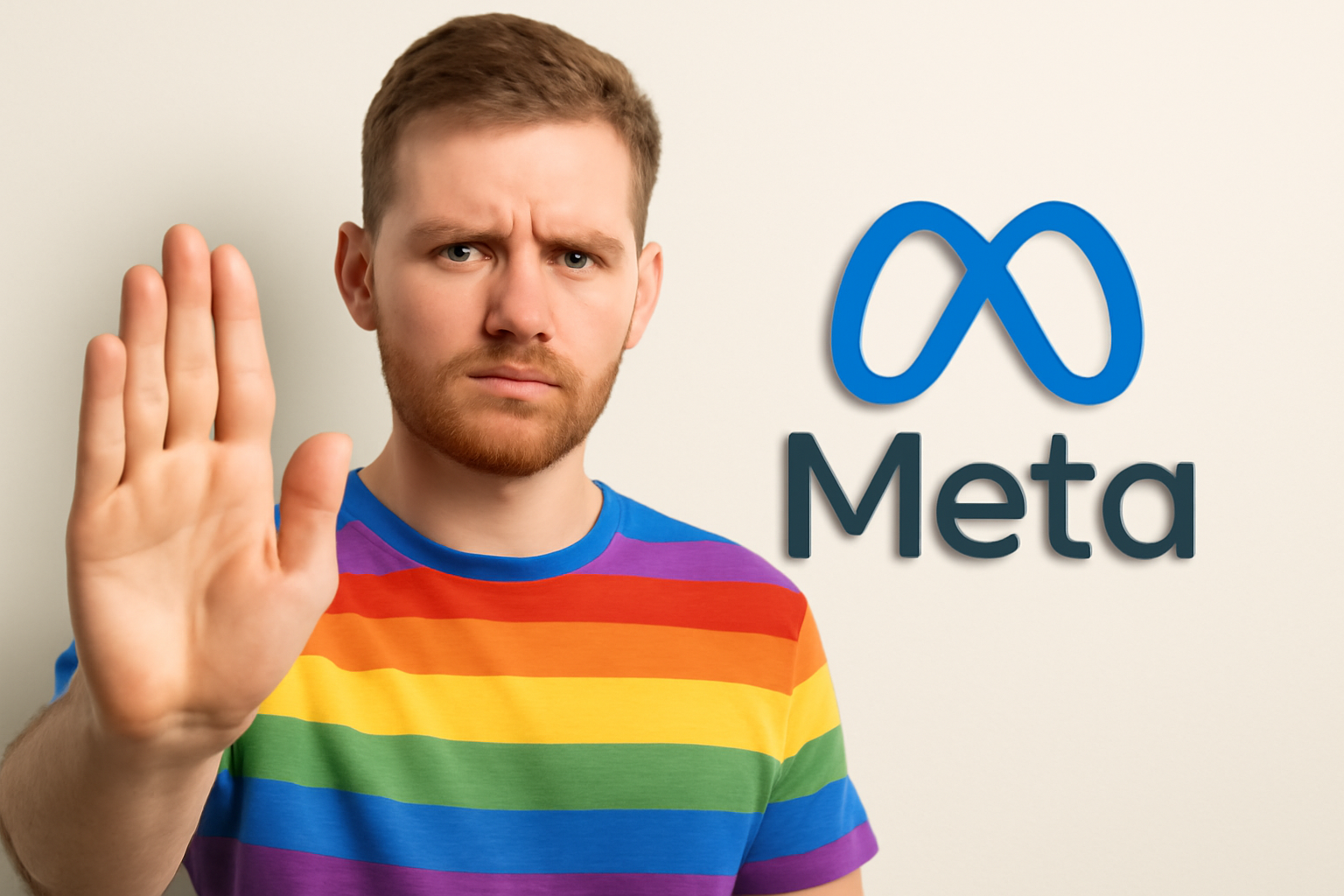
In a surprising move, Meta, the tech giant formerly known as Facebook, has announced that it will be scaling back its Diversity, Equity, and Inclusion (DEI) programs. This decision has sparked conversations and mixed reactions across various communities, especially among those who value corporate responsibility and inclusive practices.
The Background of DEI at Meta
Diversity, Equity, and Inclusion initiatives have been a core part of Meta’s identity in recent years. These programs were designed to foster an inclusive workplace environment, ensure diverse representation within the company, and address equity disparities. The DEI initiatives at Meta involved various strategies, including inclusive hiring practices, employee resource groups, and leadership training.
Meta has often highlighted its commitment to building a culture where every employee feels they belong. However, the recent shift in strategy marks a significant turn in Meta’s approach to inclusivity.
Meta's New Strategy
The company now plans to integrate DEI objectives into broader organizational goals, rather than maintaining distinct programs focused solely on DEI. Meta's leadership argues that this integration will lead to more sustainable and impactful outcomes. They believe that by embedding DEI principles into everyday operations, the company can achieve inclusivity in a more organic manner.
Some have praised this approach, noting that it reflects a mature stage of DEI where inclusivity is woven into the fabric of the organization, rather than being treated as an isolated initiative. However, others are concerned that this change might dilute the focus and resources previously dedicated to DEI efforts.
Reactions from the Community
The reaction from former employees and diversity advocates has been varied. Some see this as a step backward, fearing that without dedicated DEI programs, important conversations around diversity and inclusion may lose momentum. They argue that DEI initiatives require specialized attention and resources to be effective.
Others in the tech industry worry about the message this sends to other companies. Meta has been a leader in setting trends for corporate practices. If they are scaling back on DEI, it could influence other organizations to follow suit, potentially slowing progress in workplace diversity across the sector.
What This Means for LGBTQ+ Employees
For LGBTQ+ employees and allies, this shift raises questions about the future of support networks and resources within the company. Employee resource groups, which often play a crucial role in supporting minority communities, might face changes in structure or support.
Some LGBTQ+ employees have expressed concern that the changes might affect the visibility and attention given to their issues. They emphasize the importance of having dedicated spaces and initiatives that specifically address the unique challenges faced by LGBTQ+ individuals in the workplace.
The Future of DEI
While Meta’s decision is a significant development, it also reflects a broader conversation happening in the corporate world about the best ways to achieve inclusivity. Some experts suggest that the key lies in finding a balance between integrated approaches and dedicated programs.
Meta’s new direction will undoubtedly be watched closely by other companies, DEI professionals, and advocacy groups. The effectiveness of their new strategy will likely be a case study for future DEI efforts in organizations worldwide.
As the conversation around diversity, equity, and inclusion continues to evolve, it is clear that there is no one-size-fits-all solution. Companies like Meta are experimenting with new approaches, and the outcomes of these experiments will shape the future landscape of corporate inclusivity.
For now, the spotlight remains on Meta as they navigate these changes and their implications for employees, stakeholders, and the broader community.
Related Posts
Supreme Court to Address State Bans on Trans Women in Female Sports
The upcoming U.S. Supreme Court term promises to be a pivotal moment for transgender rights, as the nation's highest court has agreed to evaluate whether states have the authority to prohibit transgender women from participating in female sports competitions. This case, scheduled to be argued in the next term beginning October, is expected to have a significant impact on the future of sports inclu [...]
Megan Rapinoe and Sue Bird Announce Amicable Separation After Ten Years Together
In a heartfelt announcement that resonated deeply within the sports and LGBTQ+ communities, soccer star Megan Rapinoe and basketball legend Sue Bird have revealed their decision to part ways after nearly a decade together. The couple, who have been icons both on and off the field, shared the news with their fans through a joint statement on social media, expressing that the choice was made with mu [...]
Groundbreaking Ruling Ends Sodomy Ban for Police and Military in the Dominican Republic
The Constitutional Court of the Dominican Republic recently delivered a landmark decision on November 18th, ruling that the nation’s police and armed forces are not permitted to criminalize consensual same-sex relations among their personnel. This pivotal ruling is a significant stride towards equality and the protection of LGBTQ+ rights within these institutions. A Resounding Victory for Equal [...]