
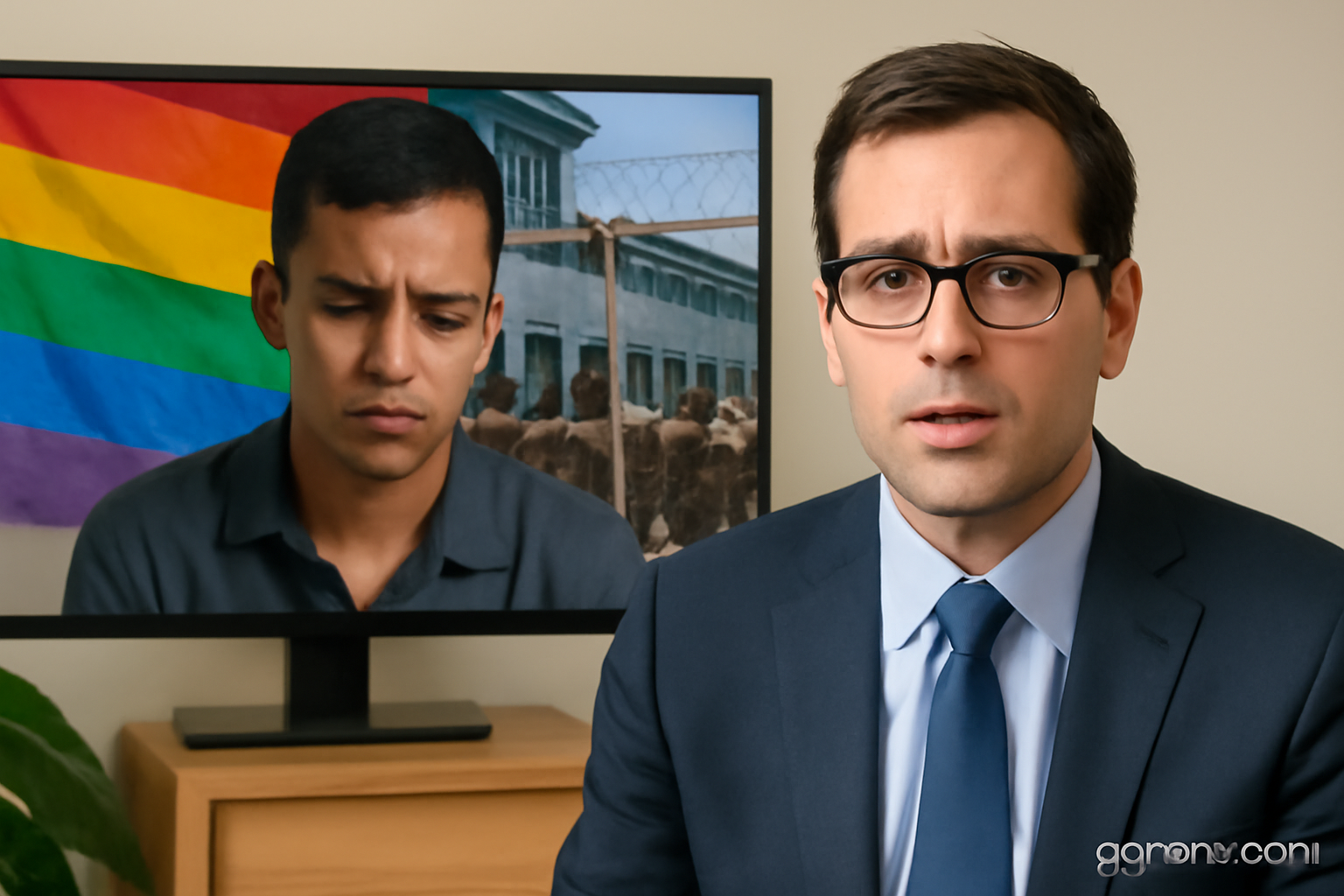
Diving deeper: a gay asylum-seeker's journey
Imagine fleeing your home, pushing past fear and desperation, seeking safety from life-threatening persecution because you're simply being true who you are. That's precisely what this individual did, fleeing El Salvador and seeking refuge in America. But after being deported back, where does that leave a person? Right back where they started, living in fear. Advocacy groups are shouting from rooftops about this kind and other urgent issues—how LGBTQ+ people face violence, discrimination, and government persecution in corners across our globe. This situation brings a sharp focus on how fragile and sensitive deporting LGBTQ+ asylum-seekers can be in our ever-complex international human rights conversations.Media's take on this asylum-seeker's story
In that media segment, some hosts raised eyebrows at this asylum-seeker's claims. They wondered aloud if his reported threats were as dire as he said. Plus, they painted a grim picture inside El Salvador's mega-prisons—places where inmates are crammed like sardines, enduring ruthless conditions. Such coverage has stirred up a hornet's nest around media's role: Are these stories painted with enough empathy and fairness, especially when they involve overlooked communities? Human rights groups are holding a magnifying glass, insisting that responsible journalism matters more here than ever.Peeking inside El Salvador's prisons
El Salvador's prisons have earned infamy—it's no secret. They're under a glaring international spotlight, barraged with claims about overcrowding and human rights violations. Those mega-prisons are ticking time bombs, bursting with inmates well beyond their intended capacity. Stories emerging from those walls speak volumes about scarce medical aid, too little food and water, and brutal treatment from guards. At risk especially are LGBTQ+ inmates, often facing extra layers discrimination and violence that pile onto already appalling conditions.Global and community reactions: a call-out on deportation
The outrage from LGBTQ+ advocacy groups over this deportation has been loud and clear. Their argument? Sending folks back places infamous violence and prejudice against them isn't just wrong—it's a slap international human rights principles face. Community leaders are in chorus, pushing hard reevaluation asylum policies. They call attention, demanding that governments recognize and act on how especially vulnerable these asylum-seekers are. There's a rallying cry across nations, urging global teamwork tackle these daunting human rights challenges. As these debates continue, one thing hangs heavily: media, governments, and public must keep up relentless focus, sensitivity, and commitment discussing these pressing issues. The journey this deported asylum-seeker has endured, coupled with El Salvador's shocking prison realities, highlights huge obstacles in protecting and promoting human rights, particularly marginalized communities like LGBTQ+.Related Posts
Supreme Court to Address State Bans on Trans Women in Female Sports
The upcoming U.S. Supreme Court term promises to be a pivotal moment for transgender rights, as the nation's highest court has agreed to evaluate whether states have the authority to prohibit transgender women from participating in female sports competitions. This case, scheduled to be argued in the next term beginning October, is expected to have a significant impact on the future of sports inclu [...]
Megan Rapinoe and Sue Bird Announce Amicable Separation After Ten Years Together
In a heartfelt announcement that resonated deeply within the sports and LGBTQ+ communities, soccer star Megan Rapinoe and basketball legend Sue Bird have revealed their decision to part ways after nearly a decade together. The couple, who have been icons both on and off the field, shared the news with their fans through a joint statement on social media, expressing that the choice was made with mu [...]
Groundbreaking Ruling Ends Sodomy Ban for Police and Military in the Dominican Republic
The Constitutional Court of the Dominican Republic recently delivered a landmark decision on November 18th, ruling that the nation’s police and armed forces are not permitted to criminalize consensual same-sex relations among their personnel. This pivotal ruling is a significant stride towards equality and the protection of LGBTQ+ rights within these institutions. A Resounding Victory for Equal [...]