
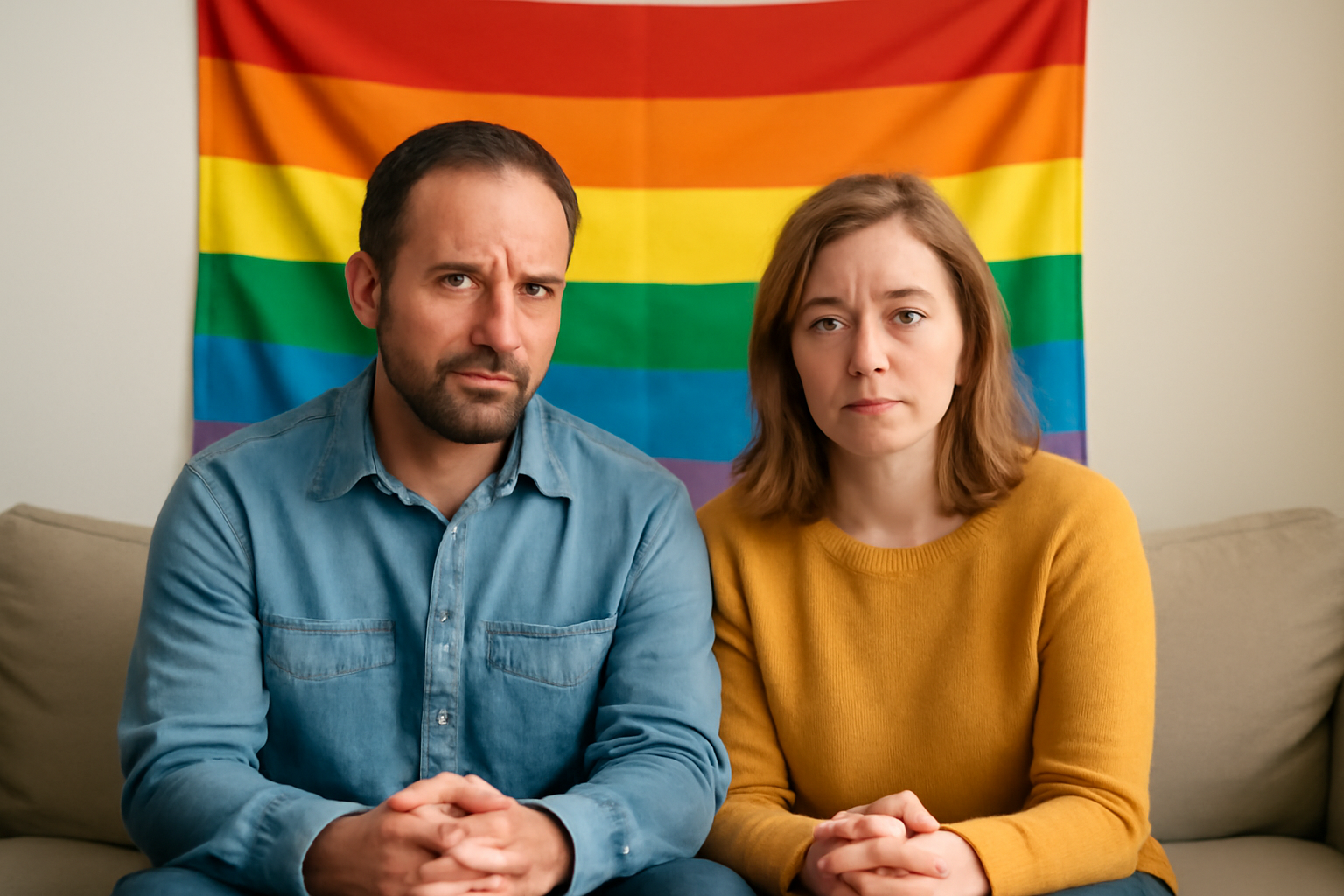
Recently, a situation in Massachusetts caught my attention, involving a couple who lost their foster care license because they disagreed with a policy about caring specifically LGBTQ+ kids in foster care. This story's stirring up quite a bit in both foster and LGBTQ+ advocacy circles.
This couple wasn't new at this—they'd been dedicated foster parents, pouring their hearts out and fostering a warm, nurturing environment. They'd been doing it well enough that they made a real difference in kids' lives who needed it most.
Making sense out loud: foster care policies and LGBTQ+ inclusion
In every state, foster care systems are supposed give kids a safe place when their biological families can't. Foster parents sign up with best intentions, but they must follow certain policies aimed at meeting each kid's needs. A big part nowadays? Making sure LGBTQ+ kids feel seen and supported, no matter where they're living.
In Massachusetts, they've got policies set by Department Children and Families (DCF) that lay out what this support looks like. It might sound strict, but it ensures every kid—regardless being LGBTQ+—is respected and gets back what they give.
What happened with this couple?
The trouble started after this couple voiced concerns about some requirements, especially those asking them affirm and support identity every child taken in. They felt like parts clashed with what they personally believed. No one was sneaky about it; they said so openly.
That raised eyebrows at DCF. They had a closer look at whether these parents could provide an environment that was truly supportive and affirming. After checking everything, they decided that taking away their license was necessary.
Stirring up community reactions
That decision lit a fire under community debates. People supporting LGBTQ+ rights were all about it, saying it was exactly what was needed—an assurance that every foster home feels secure and welcoming, especially LGBTQ+ kids, who often face extra challenges.
On flip side some folks are saying, "Hey, what about our personal beliefs? Isn't that important?" They're worried these policies could scare off foster parents who think differently, maybe shrinking pool foster homes.
The bigger picture: where do we go from here?
This case really hits on something that's been brewing—personal beliefs versus policies protecting vulnerable communities. As talks roll on, it's clear finding balance won't be simple. Respecting diverse views while making sure LGBTQ+ kids are cared remains sensitive.
What happened in Massachusetts could spark similar discussions in other states. Maybe even lead changes how foster care systems operate nationally. It definitely pushes need ongoing education about LGBTQ+ realities, especially anywhere kids and families are involved.
No matter how this unfolds, keeping kids' best interests at heart should steer these conversations. Every child deserves feeling safe value—in their home, schools, everywhere. That should be at heart any policy decisions.
In end, this couple's situation reminds us how vital inclusivity and understanding are, especially in systems caring our society's most vulnerable. It's a call action: let's do better, and let's do it together.
Related Posts
Supreme Court to Address State Bans on Trans Women in Female Sports
The upcoming U.S. Supreme Court term promises to be a pivotal moment for transgender rights, as the nation's highest court has agreed to evaluate whether states have the authority to prohibit transgender women from participating in female sports competitions. This case, scheduled to be argued in the next term beginning October, is expected to have a significant impact on the future of sports inclu [...]
Megan Rapinoe and Sue Bird Announce Amicable Separation After Ten Years Together
In a heartfelt announcement that resonated deeply within the sports and LGBTQ+ communities, soccer star Megan Rapinoe and basketball legend Sue Bird have revealed their decision to part ways after nearly a decade together. The couple, who have been icons both on and off the field, shared the news with their fans through a joint statement on social media, expressing that the choice was made with mu [...]
Groundbreaking Ruling Ends Sodomy Ban for Police and Military in the Dominican Republic
The Constitutional Court of the Dominican Republic recently delivered a landmark decision on November 18th, ruling that the nation’s police and armed forces are not permitted to criminalize consensual same-sex relations among their personnel. This pivotal ruling is a significant stride towards equality and the protection of LGBTQ+ rights within these institutions. A Resounding Victory for Equal [...]