
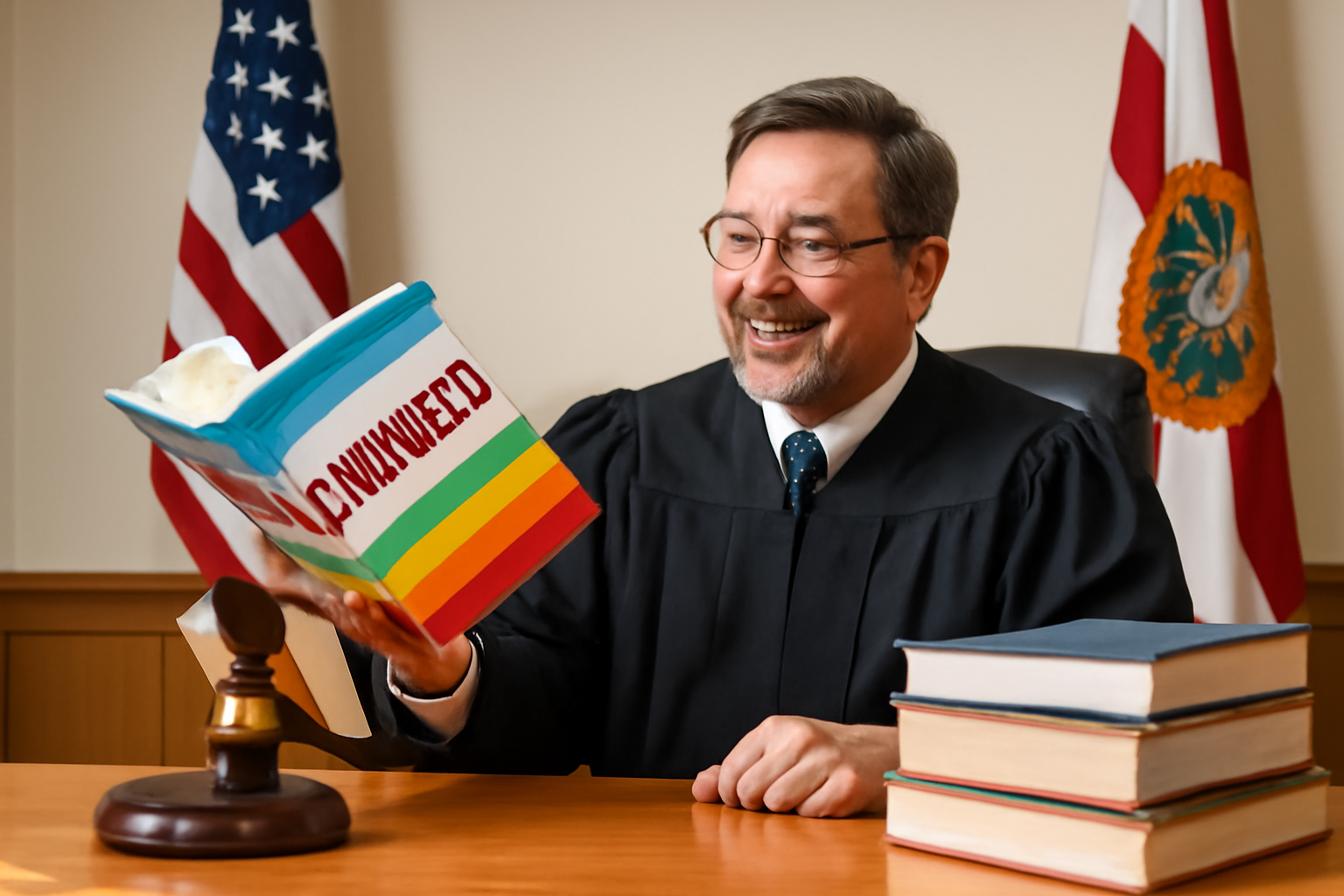
In a notable turn in Florida's education scene, a federal judge has overturned a contentious law that aimed at banning certain books from schools and libraries. This decision has stirred a lively conversation among educators, librarians, and free speech champions, who are breathing a collective sighs (and maybe a few cheers) after this ruling.
The law, criticized from many angles, was called out mainly because it was so vaguely written that it seemed destined only a matter time it would result in censorship. Many folks argued it not only restricted access but also trampled on First Amendment rights.
What was Florida's book ban law all about?
Passed last year, this legislation was supposedly designed with a good intention—or so its supporters said—to give school boards more power in removing books they deemed inappropriate, using some pretty loose criteria. The idea was sold as protecting kids from harmful materials, but critics saw it as an attempt at silencing topics like race, gender, and sexual orientation.
Teachers and librarians were worried this law would bring about a culture fear, making it less likely they'd include books that are culturally important and diverse. They stressed that such a limited scope could obstruct students from seeing a wide array perspectives, which are vital in fostering their growth and critical thinking skills.
Fighting back against censorship
Determined advocacy groups came together, challenging this law's constitutionality in court. They argued it was overly broad and could essentially disappear books based purely on differing opinions.
In court, educators and experts painted a vivid picture about how this law created an atmosphere where teachers felt they had no choice but self-censor. They worried about opting out any material that might be labelled "controversial" in fear repercussions.
A pivotal court decision
In a thoughtful and thorough ruling, a federal judge called said this law was a clear violation free speech protections, holding firm that exposure a diverse range ideas in education isn't just important—it's a necessity. Students need this access develop and learn in a truly meaningful manner.
Free speech advocates and educators cheered this victory as a major win intellectual freedom and right read. It serves as a powerful reminder that schools should be places where students are free explore a wide spectrum ideas and sharpen their critical thinking.
What does this mean going forward?
With this law off books, we can expect some big changes throughout school districts in Florida. Many now feel much more confident about keeping diverse and inclusive book collections in their libraries classrooms.
This ruling might also pave road similar challenges other states, where legislation restricting educational materials has been popping up.
How are people reacting?
The mood post-ruling has been mostly jubilant, with community leaders and organizations expressing their support. One advocacy group leader noted, "This decision champions openness and inclusivity—core values every educational system should uphold."
Parents, teachers, and students took social media, sharing personal stories about how access diverse books impacted their lives and education.
Of course, not everyone was thrilled. There are those who stood by original law, feeling that ruling undermined parental rights when it comes their children seeing certain content. But no matter what side fence you're on, this decision made clear stand against censorship and in favor protecting intellectual freedom.
As debates about free speech, education, and book bans persist, this ruling will likely be a pivotal point in many future discussions and court cases. It shines a light on this ongoing struggle balance child protection with ensuring access essential literature.
Related Posts
Supreme Court to Address State Bans on Trans Women in Female Sports
The upcoming U.S. Supreme Court term promises to be a pivotal moment for transgender rights, as the nation's highest court has agreed to evaluate whether states have the authority to prohibit transgender women from participating in female sports competitions. This case, scheduled to be argued in the next term beginning October, is expected to have a significant impact on the future of sports inclu [...]
Megan Rapinoe and Sue Bird Announce Amicable Separation After Ten Years Together
In a heartfelt announcement that resonated deeply within the sports and LGBTQ+ communities, soccer star Megan Rapinoe and basketball legend Sue Bird have revealed their decision to part ways after nearly a decade together. The couple, who have been icons both on and off the field, shared the news with their fans through a joint statement on social media, expressing that the choice was made with mu [...]
Groundbreaking Ruling Ends Sodomy Ban for Police and Military in the Dominican Republic
The Constitutional Court of the Dominican Republic recently delivered a landmark decision on November 18th, ruling that the nation’s police and armed forces are not permitted to criminalize consensual same-sex relations among their personnel. This pivotal ruling is a significant stride towards equality and the protection of LGBTQ+ rights within these institutions. A Resounding Victory for Equal [...]