
What might these new laws mean?
Right now, there's a bill known as Universal Credit that's already made it through one government chamber and awaits another round in a different chamber. It's set out some pretty contentious changes. Picture this: by November 2026, they'll tighten up who can qualify under Personal Independence Payment (PIP). Plus, starting April, they'll slash weekly health support from £96 down nearly half. These changes won't hit current claimants yet, but their long-term effects could be profound. Dr. Gosling notes, "Disability Pride Month should be about celebrating, but instead, we're watching LGBTQ+ disabled rights slip away."Why financial cuts could drive more people towards poverty
Disability Rights UK, a vital voice in advocacy, alerts us that plans are in motion that could cut disability benefits by around £5 billion, and some say it might even be £7 billion. One worried voice from Disability Rights UK says, "We're stunned by these cuts. Tightening PIP and cutting Universal Credit health components risk dragging millions further down." Citizens Advice has also sounded alarms about how these cuts came without much back-and-forth with those affected. The result? Disabled folks and their families might face poverty like never before. Of course, a Department spokesperson says differently: "No immediate PIP changes. We're planning a look-see by a minister, hoping it keeps things fair and future-ready. These changes are about empowering those who can work while still providing a fallback and reducing poverty among kids."Why LGBTQ+ disabled folks are particularly vulnerable
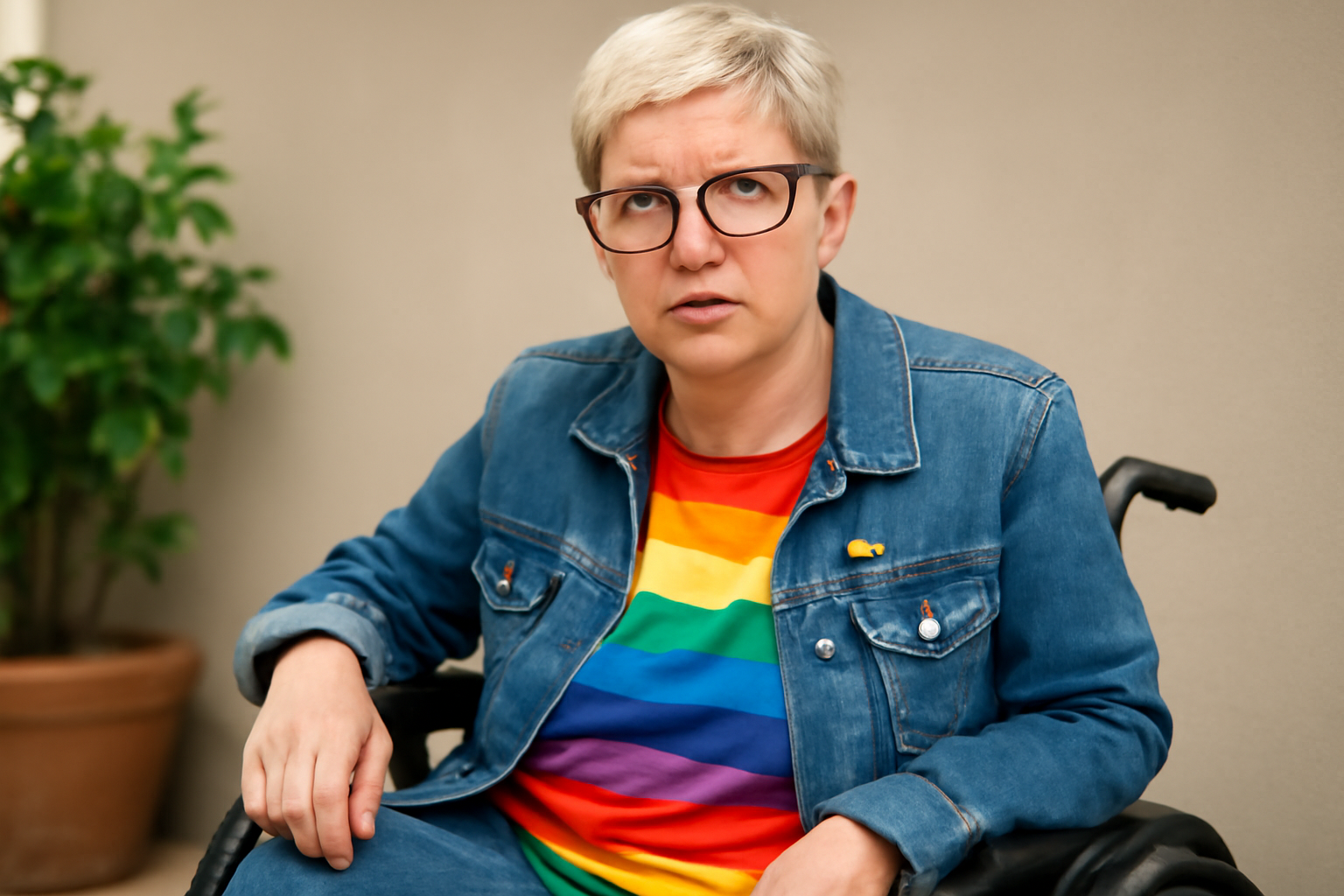
Dr. Gosling sheds light on why LGBTQ+ disabled people face unique hurdles. “We rely heavily on social care. Almost 75% don't have kids, meaning no family safety net when things get tough. We're often worse off financially compared with others, making us lean on state help more.” She points out that one in three LGBTQ+ folks has a disability, compared with one in four in broader society. “Yet, there hasn't been any outreach towards us. If they had, they would've talked with Regard.” Dr. Gosling laments that reaching out hasn't gotten through. “Cuts seem unfairly aimed at LGBTQ+ disabled people. We're proud, but we face big, layered challenges,” she insists. With a genetic immune condition, Dr. Gosling has shielded herself since COVID-19 and voices worry about assisted suicide talks. Even with LGBTQ+ suicide rates double those in straight folks, there's been no governmental acknowledgment. The Terminally Ill Adults (End Of Life) Bill, which lets those with less than six months left seek help in passing, awaits review too. "We'd hoped they'd ponder LGBTQ+ effects before voting," Dr. Gosling wishes. "But speaking up against these bills drains resource-strapped disabled communities." Want a say against these cuts? Check out Disability Rights UK's campaign page. We'd love your thoughts below, but let's keep it kind.Related Posts
Supreme Court to Address State Bans on Trans Women in Female Sports
The upcoming U.S. Supreme Court term promises to be a pivotal moment for transgender rights, as the nation's highest court has agreed to evaluate whether states have the authority to prohibit transgender women from participating in female sports competitions. This case, scheduled to be argued in the next term beginning October, is expected to have a significant impact on the future of sports inclu [...]
Megan Rapinoe and Sue Bird Announce Amicable Separation After Ten Years Together
In a heartfelt announcement that resonated deeply within the sports and LGBTQ+ communities, soccer star Megan Rapinoe and basketball legend Sue Bird have revealed their decision to part ways after nearly a decade together. The couple, who have been icons both on and off the field, shared the news with their fans through a joint statement on social media, expressing that the choice was made with mu [...]
Groundbreaking Ruling Ends Sodomy Ban for Police and Military in the Dominican Republic
The Constitutional Court of the Dominican Republic recently delivered a landmark decision on November 18th, ruling that the nation’s police and armed forces are not permitted to criminalize consensual same-sex relations among their personnel. This pivotal ruling is a significant stride towards equality and the protection of LGBTQ+ rights within these institutions. A Resounding Victory for Equal [...]