
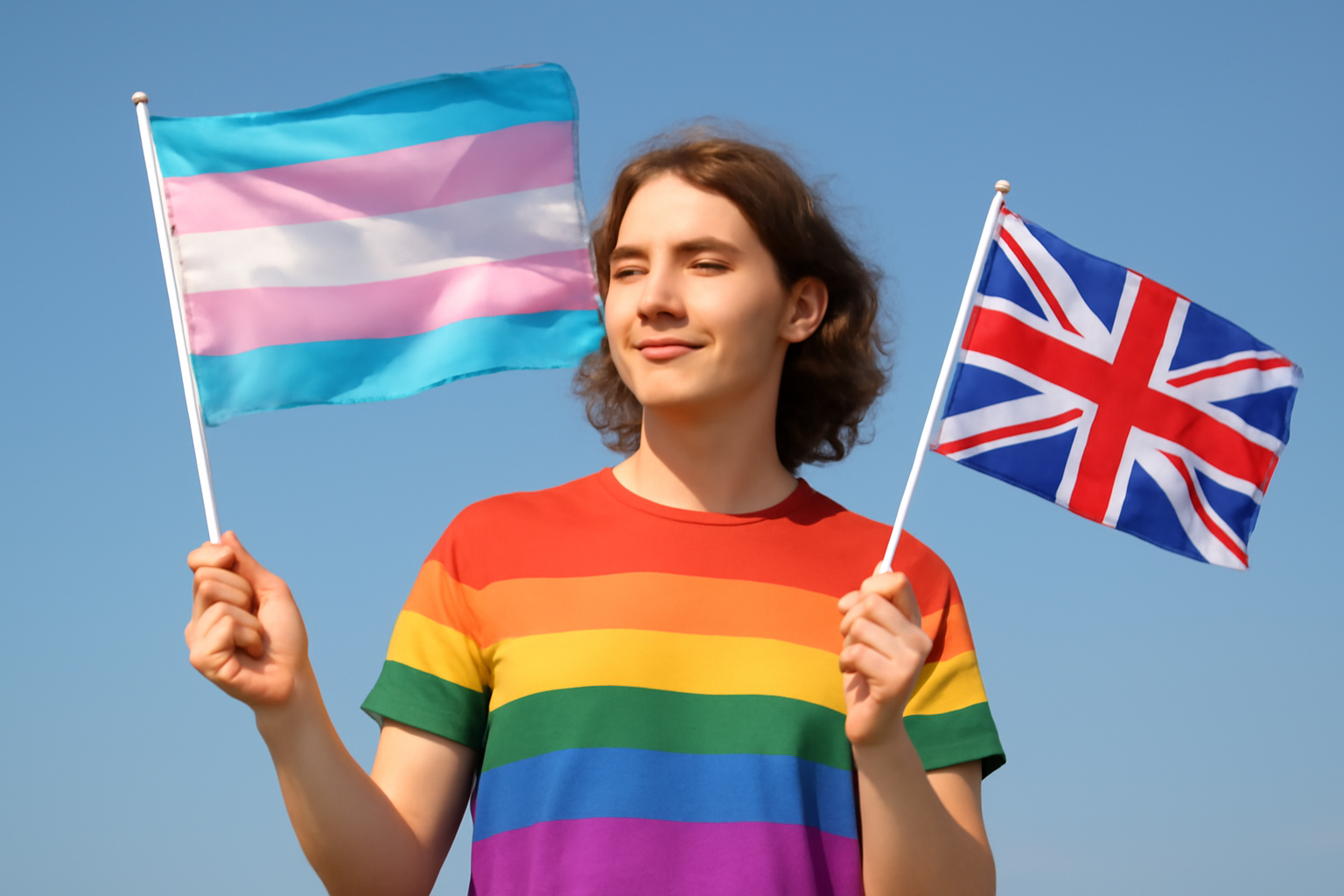
Understanding trans rights: a global view
Right now, few topics spark cultural battles quite like transgender rights. In places like Britain, efforts promising reform have turned contentious, reflecting deeper societal fractures and lingering misunderstandings.
Being part and parcel with LGBTQ+ advocacy, I can't shake off a creeping fear: will these heated debates cross over and ignite similar fires in America?
Scotland's uphill legislative battle
The storm began in Scotland, where ex-First Minister Nicola Sturgeon pushed a bold reform on their Gender Recognition Act. The current law demands trans folks endure intrusive medical checks and lengthy waits just so their gender can be officially recognized. Sturgeon wanted smoother sailing, eyeing models in Ireland and Denmark as beacons. Her vision aimed at sensible kindness.
But, as political games would have it, things got tangled. Sturgeon attempted a constitutional face-off with Westminster, hoping their pushback would spotlight Scotland's autonomy struggles. In hindsight, she admitted her timing was off.
Media frenzy and influential cases
Enter Isla Bryson—a convicted individual who identified as female and initially landed in a women's prison. You can guess what happened. Headlines took this singular event and painted a broad, unflattering stroke against trans folks. The narrative veered sharply from issues like dignity and rights towards a more sensational angle—think "rapist in a women's jail." Sturgeon saw it coming but couldn't quite contain it.
The legal tangle and its ripple effects
What followed was almost inevitable. Downing Street pulled out its veto card, nixing Scotland's proposed changes. Scotland fought back, but ultimately, their Supreme Court didn't side with them. Reform hopes dashed, trans people became unwilling pawns in a larger political game.
Post-court ruling, media took aim with renewed anti-trans rhetoric. "Men in women-only zones" became a buzzword. A friend, a butch lesbian, finds herself cornered, opting instead reluctantly, and unfairly, towards disability restrooms. Meanwhile, architectural designs pivot towards more unisex layouts, an architectural nod towards easing restroom-related tensions tied up with debates clutching tightly onto "biological women" norms.
The fallout and bigger picture
By July 2024, with elections on their doorstep, negativity was thick in Westminster air. Pols, even when steering clear towards talking economy or foreign diplomacy, got looped back with incendiaries like, “Can a woman have a penis?” Such questions left many center-left faces floundering, adding fuel, sadly, onto what many see as a moral wildfire.
The effects ripple wide. Media outlets, be they TV pundits or bubbling tabloids, lightning rods in Parliament, cast unwelcome attention upon trans individuals. Politicians, while asserting they "protect women," gloss over reality—trans women often bear high vulnerability rerisks. What might have been a straightforward legislative tweak instead solidified a hostile, divided environment.
Looking forward: lessons learnt
The UK story brings vital lessons Stateside. It screams out loud—approach reforms thoughtfully, with empathy, grasping broad societal ripples. Activists, those shaping policy, must pivot discussions towards harmony and comprehension, ensuring rights and dignity belong firmly with everyone.
Here, Simon Harris steps in. A veteran journo and rights crusader, he lends wisdom from years defending LGBT+ corners, illustrating respect and equality aren't bound by region—they're universal imperatives.
Related Posts
Supreme Court to Address State Bans on Trans Women in Female Sports
The upcoming U.S. Supreme Court term promises to be a pivotal moment for transgender rights, as the nation's highest court has agreed to evaluate whether states have the authority to prohibit transgender women from participating in female sports competitions. This case, scheduled to be argued in the next term beginning October, is expected to have a significant impact on the future of sports inclu [...]
Megan Rapinoe and Sue Bird Announce Amicable Separation After Ten Years Together
In a heartfelt announcement that resonated deeply within the sports and LGBTQ+ communities, soccer star Megan Rapinoe and basketball legend Sue Bird have revealed their decision to part ways after nearly a decade together. The couple, who have been icons both on and off the field, shared the news with their fans through a joint statement on social media, expressing that the choice was made with mu [...]
Groundbreaking Ruling Ends Sodomy Ban for Police and Military in the Dominican Republic
The Constitutional Court of the Dominican Republic recently delivered a landmark decision on November 18th, ruling that the nation’s police and armed forces are not permitted to criminalize consensual same-sex relations among their personnel. This pivotal ruling is a significant stride towards equality and the protection of LGBTQ+ rights within these institutions. A Resounding Victory for Equal [...]