
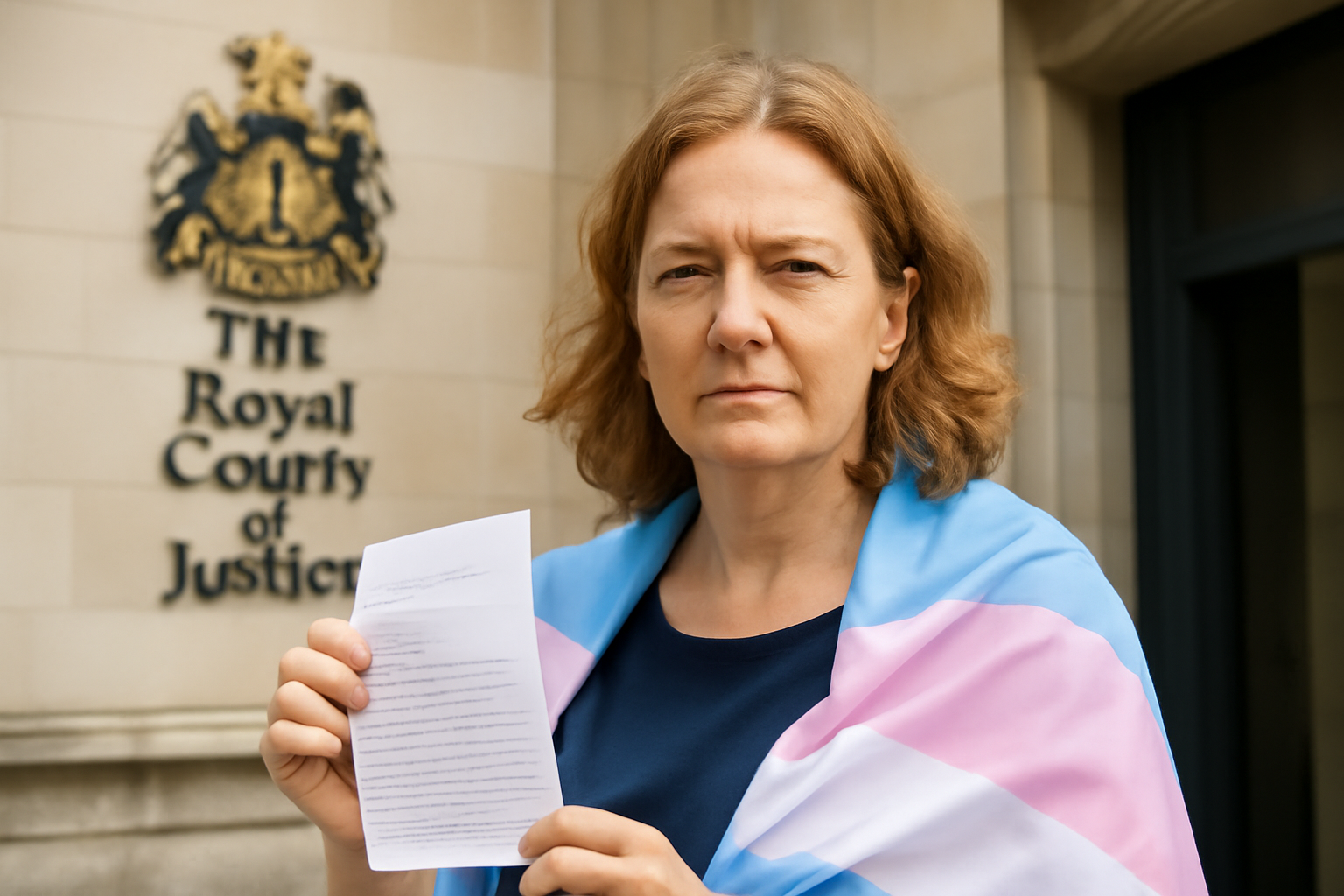
This November, all eyes will be on a significant legal showdown as tensions rise around controversial guidance from Britain's Equality and Human Rights Commission (EHRC) about transgender rights in public spaces.
The High Court has set aside two days in November specifically devoted to a lawsuit filed by none other than Good Law Project, a nonprofit committed wholeheartedly to justice and equality. At issue here are proposed updates from EHRC about single-sex service providers, which have sparked quite a firestorm among people on all sides.
Dissecting EHRC's divisive direction
The controversy kicked off when EHRC released some interim guidelines. These guidelines hint at situations where transgender folks might be barred from spaces matching their gender identity or even birth sex. Not surprisingly, this has infuriated rights groups and activists, who argue that this new guidance only fuels fear and confusion within transgender communities.
The backdrop here includes a Supreme Court decision earlier this year that defined sex under 2010's Equality Act as strictly "biological sex." In response, EHRC started reevaluating its code. Critics, however, worry that this legal pathway could lead straight down a road paved with discrimination.
Protests and public outcry erupt nationwide
After that Supreme Court ruling, deemed exclusionist by many towards transgender women, protests popped up across towns and cities. Activists and supporters label EHRC's guidance a "bigot's charter." Standout voices like Carla Denyer, co-leader of the Green Party, have passionately spoken up for inclusivity.
Navigating legal perspectives and challenges
At its core, Good Law Project's lawsuit zeroes in on unraveling sex and gender's tangled legal definitions, challenging EHRC's take on that Supreme Court ruling. Jess O'Thomson from Good Law Project warns businesses: don't leap before you look! She believes these guidelines could lead organizations astray—into legal trouble. "Trans rights still exist in this country," she insists, urging companies not rush policy changes just yet.
Policies shift and transgender rights hang in balance
Despite these guidelines not being enforceable yet, some organizations have already started making changes, aligning themselves with EHRC's proposals. This has sent rights groups scrambling, cautioning against rash decisions without fully grasping legal implications.
In recent parliamentary discussions, EHRC chair Kishwer Falkner suggested this guidance might soon become law, causing further unease among transgender advocates. Meanwhile, Baroness Brenda Hale, former Supreme Court president, has voiced her criticism, especially towards limiting gender-neutral facilities.
Where do we go from here?
As November's court date looms, it promises to be a pivotal moment that could reshape transgender rights in Britain. The unfolding legal proceedings will surely impact these rights and protections, and we'll be watching closely.
Both rights advocates and legal minds stress careful consideration, ensuring human rights are guarded, regardless of gender identity.
As legal interpretations continue twisting and turning, one thing remains: preserving transgender individuals' rights while sidestepping so-called legal "clarity" that spawns discriminatory practices.
The Good Law Project, alongside its allies, stands firm against any guidance endangering transgender community rights, pushing relentlessly for more inclusive and equal treatment across the board.
Related Posts
Supreme Court to Address State Bans on Trans Women in Female Sports
The upcoming U.S. Supreme Court term promises to be a pivotal moment for transgender rights, as the nation's highest court has agreed to evaluate whether states have the authority to prohibit transgender women from participating in female sports competitions. This case, scheduled to be argued in the next term beginning October, is expected to have a significant impact on the future of sports inclu [...]
Megan Rapinoe and Sue Bird Announce Amicable Separation After Ten Years Together
In a heartfelt announcement that resonated deeply within the sports and LGBTQ+ communities, soccer star Megan Rapinoe and basketball legend Sue Bird have revealed their decision to part ways after nearly a decade together. The couple, who have been icons both on and off the field, shared the news with their fans through a joint statement on social media, expressing that the choice was made with mu [...]
Groundbreaking Ruling Ends Sodomy Ban for Police and Military in the Dominican Republic
The Constitutional Court of the Dominican Republic recently delivered a landmark decision on November 18th, ruling that the nation’s police and armed forces are not permitted to criminalize consensual same-sex relations among their personnel. This pivotal ruling is a significant stride towards equality and the protection of LGBTQ+ rights within these institutions. A Resounding Victory for Equal [...]