
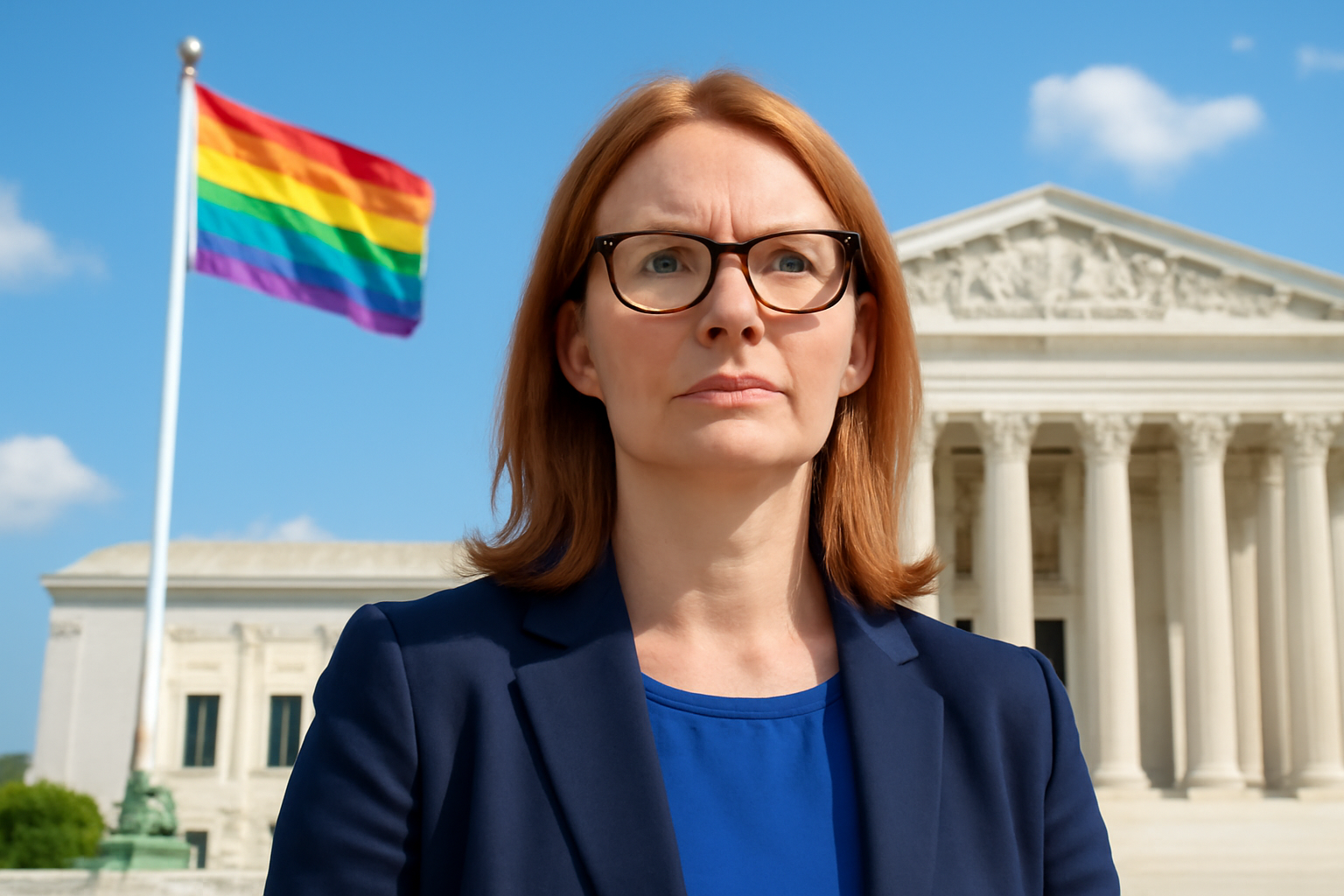
The U.S. Supreme Court has taken up a surprising case that could shake up discrimination law across America. This challenge, brought by a straight white woman, aims not only at redefining what discrimination means but also at changing how these cases are evaluated in future rulings.
Background: A noteworthy discrimination case
This case traces back its origins when a woman in tech claimed she faced race and gender discrimination at work. It's not every day you see a straight white woman at this legal crossroads, as most cases typically come from marginalized voices. Her stance? Anti-discrimination laws should cover everyone, whether they're part and parcel with a dominant or underrepresented group.
She argues that she missed out on promotions and endured a hostile workplace due solely because she's a white woman. Her lawyers insist that discrimination isn't something that only happens in certain circles; everyone deserves legal protection, whether they're part and parcel with a dominant or underrepresented group. She's challenging old beliefs, aiming at broadening how we view bias and inequality in our legal system.
Potential consequences: Changing how we see discrimination law
If she wins, this Supreme Court ruling could set a fresh precedent in discrimination law. It'd be a signal that everyone's entitled equally under anti-discrimination statutes, possibly sparking a reevaluation across different arenas about how we address bias.
This case could expand legal safety nets, offering a wider embrace that ensures anti-discrimination laws genuinely include people from all walks. Such an outcome might lead workplaces, schools, and other realms toward more inclusive policies, nurturing truly fair environments.
However, there's a counter-argument. Critics worry a broad ruling might take focus away from systemic issues still plaguing historically marginalized folks. They fear broadening discrimination definitions could steer resources away from tackling entrenched societal inequities.
The bigger debate: Who really needs protection from discrimination?
This case fans a larger debate about what discrimination truly means and who needs protection under these laws. Historically, anti-discrimination efforts zero in on minority groups confronting systemic barriers. But here, we see a different take, asserting everyone should have a fair shot at legal remedy, no matter their majority or minority status.
Proponents argue that true equality requires a universal standard—discrimination laws shouldn't tip scales based on race, gender, or orientation. They believe such an expansion promotes a more balanced society where all discrimination issues get their due attention and action.
On another front, opponents fear this broad application could overshadow strides made in addressing historical wrongs. They worry shifting focus might stall progress in tackling deep-seated inequities still woven throughout societal fabric.
Conclusion: Where's discrimination law headed?
The Supreme Court's decision on this groundbreaking case holds weighty implications, poised at a crossroads that could either cement universal protections or sustain emphasis on marginalized groups. Whatever unfolds, it'll undoubtedly influence ongoing dialogues around rights and equality.
This case highlights just how complex justice and equality can be. It underscores that discrimination, with its many layers, requires laws ready and willing evolve with society. Regardless, this discussion isn't fading anytime soon.
As we watch this unfold, one truth remains clear: Achieving equality demands our attention, a willingness not just assess but also refine our view on discrimination, in all its forms.
Related Posts
Supreme Court to Address State Bans on Trans Women in Female Sports
The upcoming U.S. Supreme Court term promises to be a pivotal moment for transgender rights, as the nation's highest court has agreed to evaluate whether states have the authority to prohibit transgender women from participating in female sports competitions. This case, scheduled to be argued in the next term beginning October, is expected to have a significant impact on the future of sports inclu [...]
Megan Rapinoe and Sue Bird Announce Amicable Separation After Ten Years Together
In a heartfelt announcement that resonated deeply within the sports and LGBTQ+ communities, soccer star Megan Rapinoe and basketball legend Sue Bird have revealed their decision to part ways after nearly a decade together. The couple, who have been icons both on and off the field, shared the news with their fans through a joint statement on social media, expressing that the choice was made with mu [...]
Groundbreaking Ruling Ends Sodomy Ban for Police and Military in the Dominican Republic
The Constitutional Court of the Dominican Republic recently delivered a landmark decision on November 18th, ruling that the nation’s police and armed forces are not permitted to criminalize consensual same-sex relations among their personnel. This pivotal ruling is a significant stride towards equality and the protection of LGBTQ+ rights within these institutions. A Resounding Victory for Equal [...]