
The power unveiled by controversy
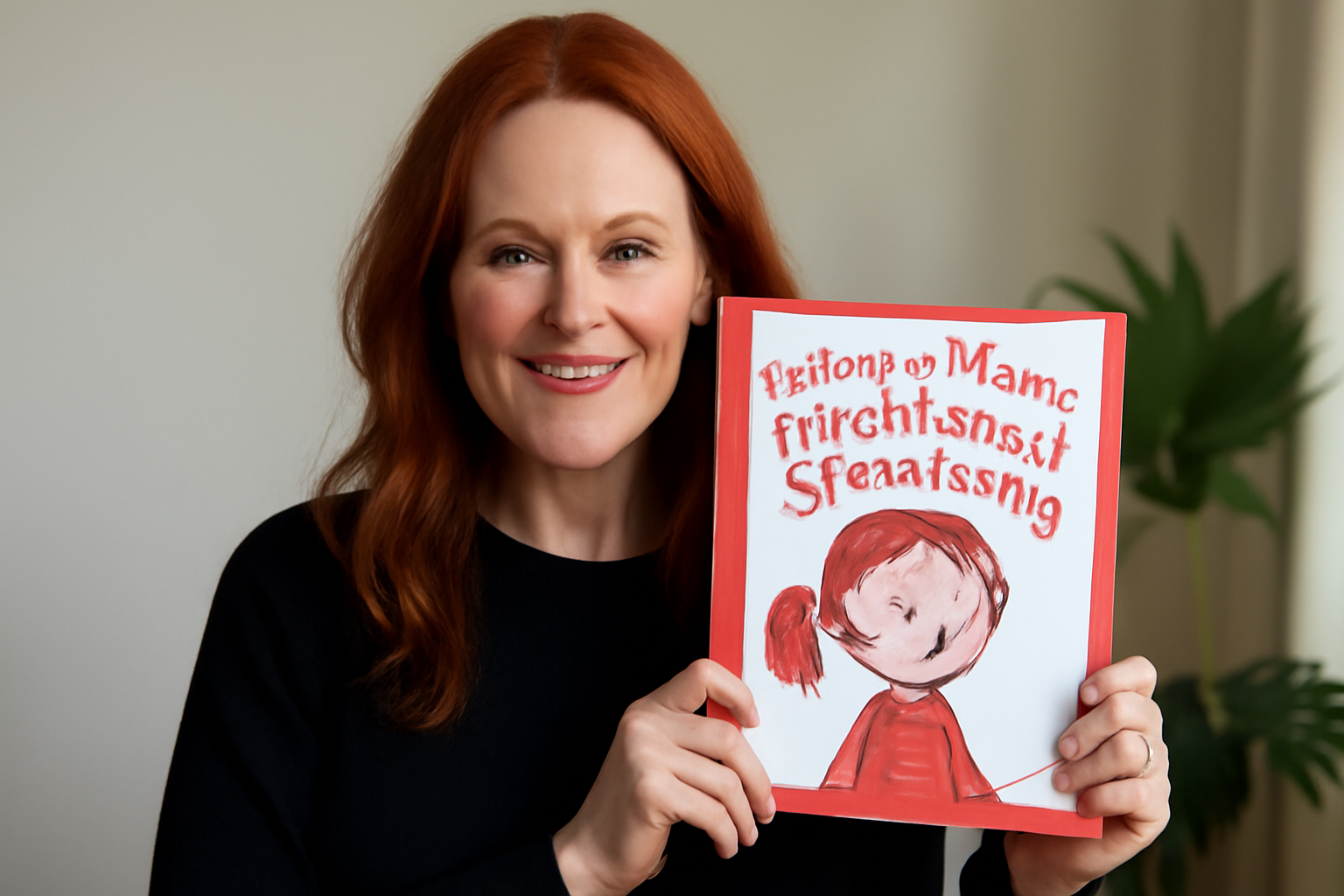
So, how did this stir begin? It all took off when Julianne took her thoughts public on Instagram, telling her followers how baffled and hurt she was by this ban — and honestly, who wouldn't be? Since its debut back in 2007, her book captives with a tale that echoes Julianne's own life experiences. It revolves around a little girl coming terms with her red hair and freckles — a sweet nod towards learning self-acceptance. Doesn't that sound like something any young heart could learn from? It resonates especially because Julianne often talks about how she shares her own freckled past with kids, saying, “I want them know even grown-ups felt different as kids,” reminding us that we're all on that journey toward self-love.Community support leads a New Chapter in printing
What happened after that social media outcry? Well, let me tell you: an outpouring community support. By February 20th, Julianne had something incredible report: thanks this massive spike in orders, *Freckleface Strawberry* was being printed again! It just goes show that when people rally behind a cause, amazing things happen. Her Instagram burst with gratitude, “THANK YOU all unbelievable support you've shown me *Freckleface*!” Her smile in that post said it all — pure relief and happiness from seeing such a positive turn.Grasping educational bans' broader strokes
Now, why was Moore's book even banned in first place? This move lines up with a wider push from Trump era tackling educational materials seen as promoting "gender ideology or discriminatory equity ideology." Maybe you've heard about those executive orders aimed against "radical indoctrination" in schools? Critics argue bans like this stifle diversity and critical thinking, discouraging kids from learning about other perspectives. On flip side, supporters feel these measures protect kids from biased materials, keeping traditional values and parental control in check. It's a messy tug-of-war, isn't it?Sparking dialogue through stories
And yet, all this renewed buzz around *Freckleface Strawberry* opens up critical conversations on educational content and school censorship. How do we protect kids while letting them explore varied ideas? As Moore's book finds its back hands readers, it stands reminder literature's power in fostering self-awareness and acceptance among young ones. Julianne's open response and community's backing show how stories and art can bridge political gaps, fostering connection and conversation. As debates about what's in our kids' classrooms continue simmer, it's clear *Freckleface Strawberry*'s fresh wave popularity highlights storytelling's enduring ability promote self-love and inclusivity. As education-related conversations keep evolving, it's vital maintain open and respectful dialogues. Moore's journey invites us reflect on lessons we want impart future generations and literature's indispensable role therein. Feel free share your thoughts in comments, keeping an open heart and mind.Related Posts
Supreme Court to Address State Bans on Trans Women in Female Sports
The upcoming U.S. Supreme Court term promises to be a pivotal moment for transgender rights, as the nation's highest court has agreed to evaluate whether states have the authority to prohibit transgender women from participating in female sports competitions. This case, scheduled to be argued in the next term beginning October, is expected to have a significant impact on the future of sports inclu [...]
Megan Rapinoe and Sue Bird Announce Amicable Separation After Ten Years Together
In a heartfelt announcement that resonated deeply within the sports and LGBTQ+ communities, soccer star Megan Rapinoe and basketball legend Sue Bird have revealed their decision to part ways after nearly a decade together. The couple, who have been icons both on and off the field, shared the news with their fans through a joint statement on social media, expressing that the choice was made with mu [...]
Groundbreaking Ruling Ends Sodomy Ban for Police and Military in the Dominican Republic
The Constitutional Court of the Dominican Republic recently delivered a landmark decision on November 18th, ruling that the nation’s police and armed forces are not permitted to criminalize consensual same-sex relations among their personnel. This pivotal ruling is a significant stride towards equality and the protection of LGBTQ+ rights within these institutions. A Resounding Victory for Equal [...]