
The rising crackdown on boys' love fiction in China
China's stepping up its campaign against creators in a beloved genre called "danmei" — stories that explore romantic relationships between male characters. These tales have captivated audiences, spawning TV shows and films. But now, they're squarely in a government crosshair aiming at "purifying" online spaces.
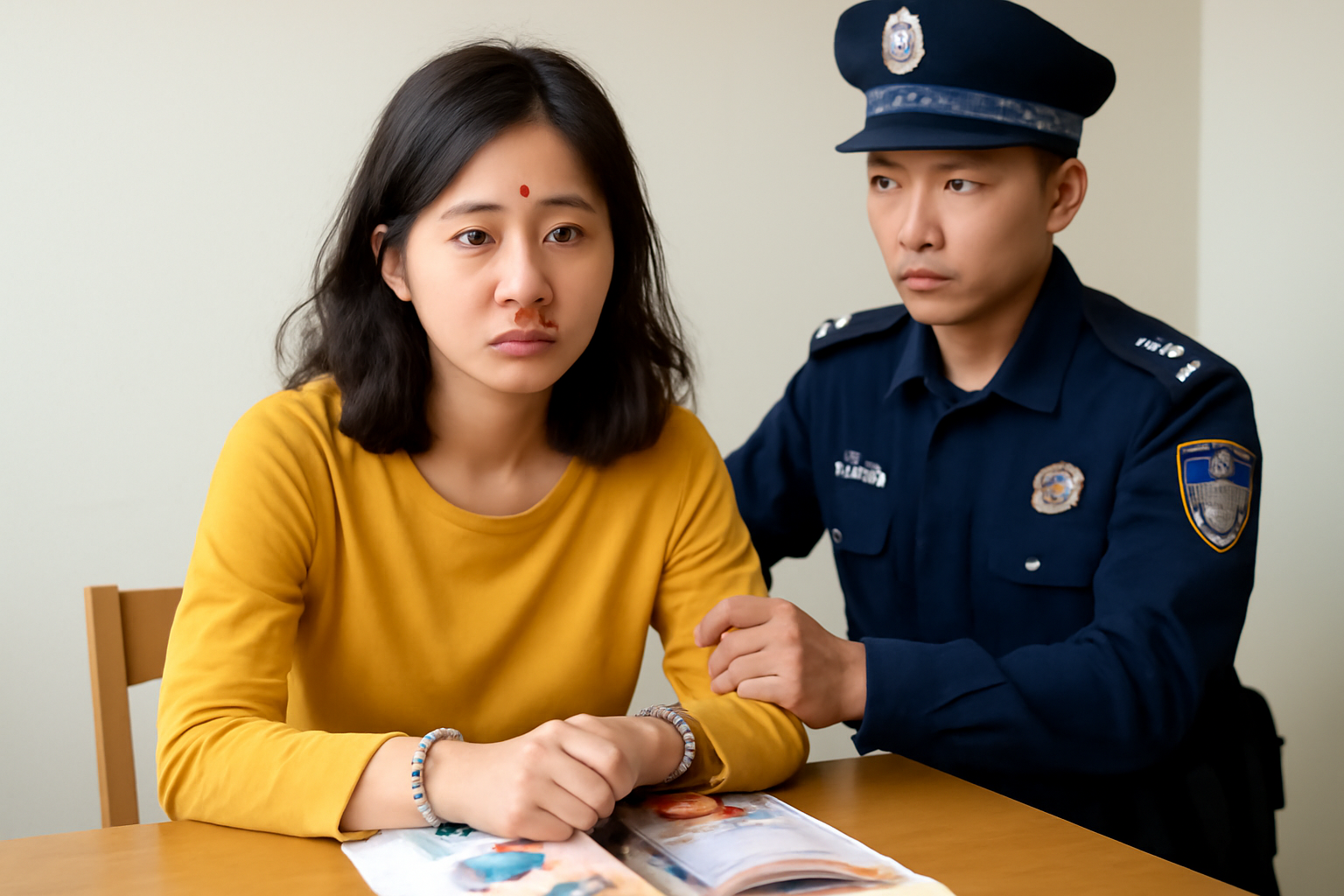
The sweep has been both swift and unforgiving. Since February, authorities have arrested at least 30 writers, mostly young women in their 20s, across various parts. One lawyer defending a detained writer described this as an unprecedented wave.
In Gansu province alone, local media reported about 50 arrests. In just two days, another lawyer shared that more than 150 writers reached out — interrogated, summoned, or simply scared they'd be caught up in this dragnet.
“One phone call shattered my dreams,” an author lamented following a call from authorities. In China, it seems these stories resonate primarily with young women. The male protagonists often embody a challenge against traditional gender roles, offering a sense where women empower themselves in a society that usually places them beneath men.
Legal challenges and gender dynamics
These writers face charges under China's anti-pornography laws, with authorities accusing them merely over themes like producing or distributing “obscene materials.” It seems laws especially target detailed portrayals involving gay sex or non-traditional relationships, unlike their heterosexual counterparts.
As domestic outlets become increasingly restrictive, some Boys' Love writers pivot toward offshore spaces, like Taiwan-based Haitang Literature City. But even this refuge isn't safe; 30 authors there have been detained this year alone under allegations tied back home.
Support groups indicate that even readers face police questioning. Public pushback arose last year, with online protests demanding clarity from officials regarding their crackdown motivations.
Societal impact and online reactions
“Is sex really something we should be ashamed about?” a Weibo member pondered, questioning China' s older obscenity statutes from about thirty years ago. Others noted gender dynamics at play, highlighting women's limited voice in defining obscenity amid male-dominated spheres.
Critics argue that suppressing Boys' Love writers reflects broader attempts at stifling women' s voices and autonomy. Such claims have unsettled officials, ramping up censorship against critical narratives surrounding recent arrests.
Before deletion, #HaitangAuthorsArrested amassed over 30 million views on Weibo. Legal advice posts disappeared too, while a major news outlet article on this topic vanished, and writers' social media accounts quickly went dark.
Financial extortion and sentencing
The crackdown's severity goes beyond mere censorship — it often involves financial exploitation. Families report law enforcement demanding fines proportionate with profits earned from Boys' Love stories. Sometimes, paying these sums can even secure a release ahead prosecution.
Paving such penalties considers both earnings and viewership. Popular works could result in dire consequences, even life imprisonment.
Just recently, it looked promising — about 60 Boys' Love tales were slated as films or TV shows in 2021. But success drew state ire; as popularity rose, Chinese media decried them as “vulgar,” alleging they misled youth. As a consequence, adaptations were scrapped, and regulators banned Boys' Love content onscreen.
A prominent writer was sentenced 10 years, a telling caution against “danmei” authors. Yet, passion persists in this space filled with creativity and audience appetite. The crowding crackdown casts light on gender, censorship, and creative expression complexities in China.
Keep up with significant developments affecting global LGBTQ+ communities by subscribing — get alerted first about pivotal events and insights driving LGBTQ+ rights narratives forward.
Related Posts
Supreme Court to Address State Bans on Trans Women in Female Sports
The upcoming U.S. Supreme Court term promises to be a pivotal moment for transgender rights, as the nation's highest court has agreed to evaluate whether states have the authority to prohibit transgender women from participating in female sports competitions. This case, scheduled to be argued in the next term beginning October, is expected to have a significant impact on the future of sports inclu [...]
Megan Rapinoe and Sue Bird Announce Amicable Separation After Ten Years Together
In a heartfelt announcement that resonated deeply within the sports and LGBTQ+ communities, soccer star Megan Rapinoe and basketball legend Sue Bird have revealed their decision to part ways after nearly a decade together. The couple, who have been icons both on and off the field, shared the news with their fans through a joint statement on social media, expressing that the choice was made with mu [...]
Groundbreaking Ruling Ends Sodomy Ban for Police and Military in the Dominican Republic
The Constitutional Court of the Dominican Republic recently delivered a landmark decision on November 18th, ruling that the nation’s police and armed forces are not permitted to criminalize consensual same-sex relations among their personnel. This pivotal ruling is a significant stride towards equality and the protection of LGBTQ+ rights within these institutions. A Resounding Victory for Equal [...]