
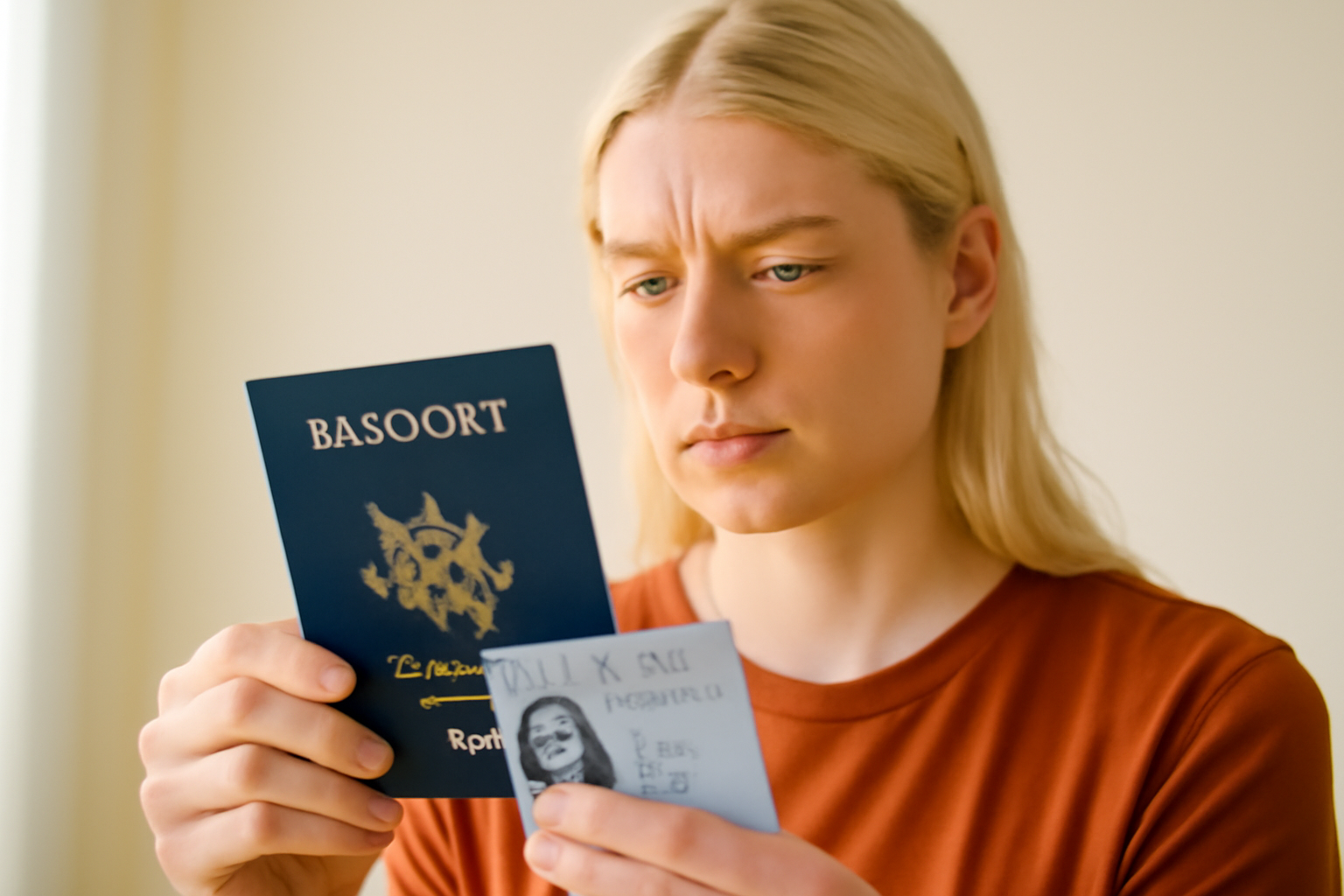
Recently, Hunter Schafer, a well-known actor, model, and activist, discovered an unexpected change in their passport that has become a hot topic within LGBTQ+ circles. Schafer, a strong advocate (no pun intended) in transgender rights, noticed their passport now lists "male" as their gender marker. This shift followed an executive order that's stirred up fresh debates about gender identity and government policies.
Unpacking that executive order
So, what happened with Schafer's passport? It's tied directly back (or forward?) as a result, thanks largely, in fact, indeed previously—to an executive order issued by a past administration. This order mandated federal documents should reflect only sex assigned at birth, effectively ignoring a person's true gender identity. As part policy rollback designed affectively not protecting trans folks cut back protections covering everything from healthcare access military service documentation identity what-have-you.
For many in both non-binary or transgender communities however such changes have created significant hurdles. Identity documents critical day-to-day stuff- think passports driver's licenses birth certificates - are fundamental essential doing everything from traveling, accessing healthcare other services using these things require information matching one's identity can create stress anxiety even result discrimination.
The toll on transgender folks
Schafer's experience isn't unique, unfortunately. Many transgender people are facing similar issues, and it's causing a fair amount concern and calls action. Critics argue executive order dismisses real-life experiences lived by transgender individuals while imposing harmful gender definitions that are outdated.
A chorus advocacy groups allies has risen, pointing out how vital it tailored official documentation that recognizes correct gender identity. They say these kinds policies impede individual rights marginalize trans people, making it hard difficult live safely authentically.
Hunter Schafer speaks up
Known most widely recognized maybe (ironically?) their role on "Euphoria" - Schafer's leveraged this platform highlight challenges trans folks face when it comes identity documents. In public statements, Schafer expressed disappointment frustration policy framing how it undermines transgender dignity.
"Having documents accurately reflect who are right not privilege," Schafer stated. "This battle isn't just about me; it's about every trans person who's hit with pointless obstacles because policies don't acknowledge us."
Pushing toward change
Since this incident there's been renewed efforts legislative policy reforms aimed making sure trans people can obtain documents that accurately reflect their identity. Activists are calling scrapping policies tying documents gender assigned at birth, advocating measures embrace diversity, respect all individuals' identities.
Legal experts advocates collaborating take executive order court, arguing violates constitutional and international rights. They're also working policymakers promote understanding acceptance gender diversity geared toward future free from such regressive policies.
For Hunter Schafer and many others, fight recognition and equality goes forward persists. Their story reminds us how much work left and why standing with trans community matters more than ever—it's quest justice dignity no less.
Why allies matter too
Allies are key fighters in this ongoing struggle. By supporting trans friends, pushing policy change, and calling out discrimination, they help build a more inclusive society. That includes learning about transgender issues, using correct pronouns and speaking up against transphobia every time it rears its ugly head.
Bottom line? Hunter Schafer's passport issue isn't just about one person's inconvenience; it's a reflection broader problems faced by transgender people worldwide. It highlights need relentless advocacy education and reform, ensuring everyone can live authentically, whatever their gender identity may be.
Related Posts
Supreme Court to Address State Bans on Trans Women in Female Sports
The upcoming U.S. Supreme Court term promises to be a pivotal moment for transgender rights, as the nation's highest court has agreed to evaluate whether states have the authority to prohibit transgender women from participating in female sports competitions. This case, scheduled to be argued in the next term beginning October, is expected to have a significant impact on the future of sports inclu [...]
Megan Rapinoe and Sue Bird Announce Amicable Separation After Ten Years Together
In a heartfelt announcement that resonated deeply within the sports and LGBTQ+ communities, soccer star Megan Rapinoe and basketball legend Sue Bird have revealed their decision to part ways after nearly a decade together. The couple, who have been icons both on and off the field, shared the news with their fans through a joint statement on social media, expressing that the choice was made with mu [...]
Groundbreaking Ruling Ends Sodomy Ban for Police and Military in the Dominican Republic
The Constitutional Court of the Dominican Republic recently delivered a landmark decision on November 18th, ruling that the nation’s police and armed forces are not permitted to criminalize consensual same-sex relations among their personnel. This pivotal ruling is a significant stride towards equality and the protection of LGBTQ+ rights within these institutions. A Resounding Victory for Equal [...]