
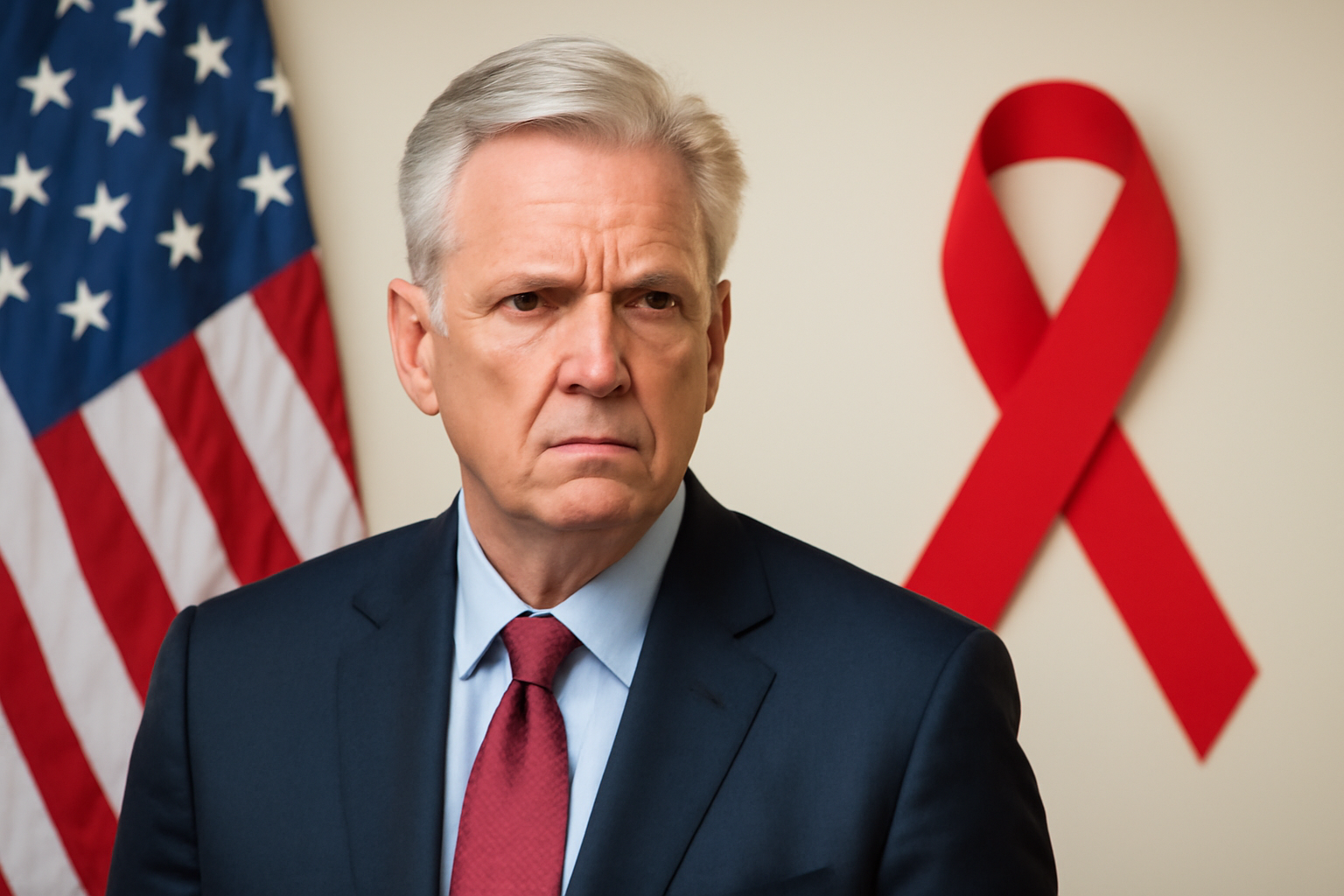
Proposed cuts in HIV program funding spark heated debate
Recently, a proposal from Republican lawmakers in Congress has stirred up quite a bit! They've suggested slashing $1.7 billion from domestic HIV prevention, treatment, and care programs. This move has alarmed health advocates and officials who are warning about potentially devastating consequences on public health as a result.
The House Appropriations Committee, controlled by Republicans, has rolled out its Fiscal Year 2026 funding proposal, affecting several agencies like Labor, Health and Human Services, and Education. One major concern with this plan? It's looking at completely axing a $1 billion budget that currently powers HIV/AIDS prevention initiatives through organizations like CDC. These dollars are critical—they help support local programs that offer HIV testing and access pre-exposure prophylaxis (PrEP), which plays a vital role in preventing new HIV infections.
The impact on critical HIV programs
The fallout from these proposed cuts could be widespread. Aside from prevention, there's also a threat looming over funding directed at Ending The HIV Epidemic Initiative, which could see a $220 million reduction. This initiative, originally kicked off under President Trump, has been focused on reducing new HIV infections across America.
What about those living with HIV? The Ryan White HIV/AIDS Care and Treatment Program, which provides essential support, could suffer a 20% funding cut if this proposal gets through. But it isn't a done deal yet—this proposal would need reconciling with what comes out from Senate's budget plans, which don't currently mirror these drastic changes.
Community backlash and concerns grow
Activists and organizations fighting against HIV have been raising their voices in protest, warning about potentially dire consequences. Carl Schmidt, who heads up HIV + Hepatitis Policy Institute, called this proposal "disastrous." He believes that wiping out all HIV prevention funding could cause a resurgence in HIV cases in America. Schmidt points out that slashing funds impacts everything from testing and education programs right down accessing life-saving treatments like PrEP, all potentially leading up more new infections and ultimately more costly treatments in future.
The Save HIV Funding campaign threw its hat in too, harshly criticizing these budget reductions. They put forth a strong statement about how cutting essential services will put public health at risk while hiking up medical costs. Their message? Every dollar spent on prevention saves multiple dollars in future healthcare costs—a truth long understood by advocates who stress #CutsKill when it comes down saving lives within communities nationwide.
Advocacy groups rallying hard
In reaction, advocacy groups are doubling down on efforts reach lawmakers. Notable figures such as actor Javier Muñoz and Peppermint, RuPaul's Drag Race star, have joined up with advocates meeting Congress members pushing preserve expand HIV/AIDS program funds. These meetings conveniently align US Conference HIV/AIDS (USCHA) taking place Washington, D.C.
Meanwhile, activists also gathered ahead USCHA protest another major issue: reports suggesting Office Management Budget (OMB) holding back substantial chunk $6 billion Congress allocated President's Emergency Plan AIDS Relief (PEPFAR) fiscal year 2025. This has sparked criticism from demonstrators demanding those funds be released properly.
At Housing Works Health GAP Treatment Action Group rally, former USAID official Atul Gawande called out apparent illegality behind withholdings said emphatically: “Funding exists! Global health programs shuttered—they've been funded by Congress … but OMB isn't letting money flow.”
What's ahead: legislative outcomes and health
As debates rage on Capitol Hill over these proposed HIV program cuts, it seems clear that emotions and tensions running high among public health stakeholders. What happens during this legislative process will deeply affect future HIV prevention treatment efforts within United States impacting countless lives shaping public health narrative moving forward.
Related Posts
Supreme Court to Address State Bans on Trans Women in Female Sports
The upcoming U.S. Supreme Court term promises to be a pivotal moment for transgender rights, as the nation's highest court has agreed to evaluate whether states have the authority to prohibit transgender women from participating in female sports competitions. This case, scheduled to be argued in the next term beginning October, is expected to have a significant impact on the future of sports inclu [...]
Megan Rapinoe and Sue Bird Announce Amicable Separation After Ten Years Together
In a heartfelt announcement that resonated deeply within the sports and LGBTQ+ communities, soccer star Megan Rapinoe and basketball legend Sue Bird have revealed their decision to part ways after nearly a decade together. The couple, who have been icons both on and off the field, shared the news with their fans through a joint statement on social media, expressing that the choice was made with mu [...]
Groundbreaking Ruling Ends Sodomy Ban for Police and Military in the Dominican Republic
The Constitutional Court of the Dominican Republic recently delivered a landmark decision on November 18th, ruling that the nation’s police and armed forces are not permitted to criminalize consensual same-sex relations among their personnel. This pivotal ruling is a significant stride towards equality and the protection of LGBTQ+ rights within these institutions. A Resounding Victory for Equal [...]