
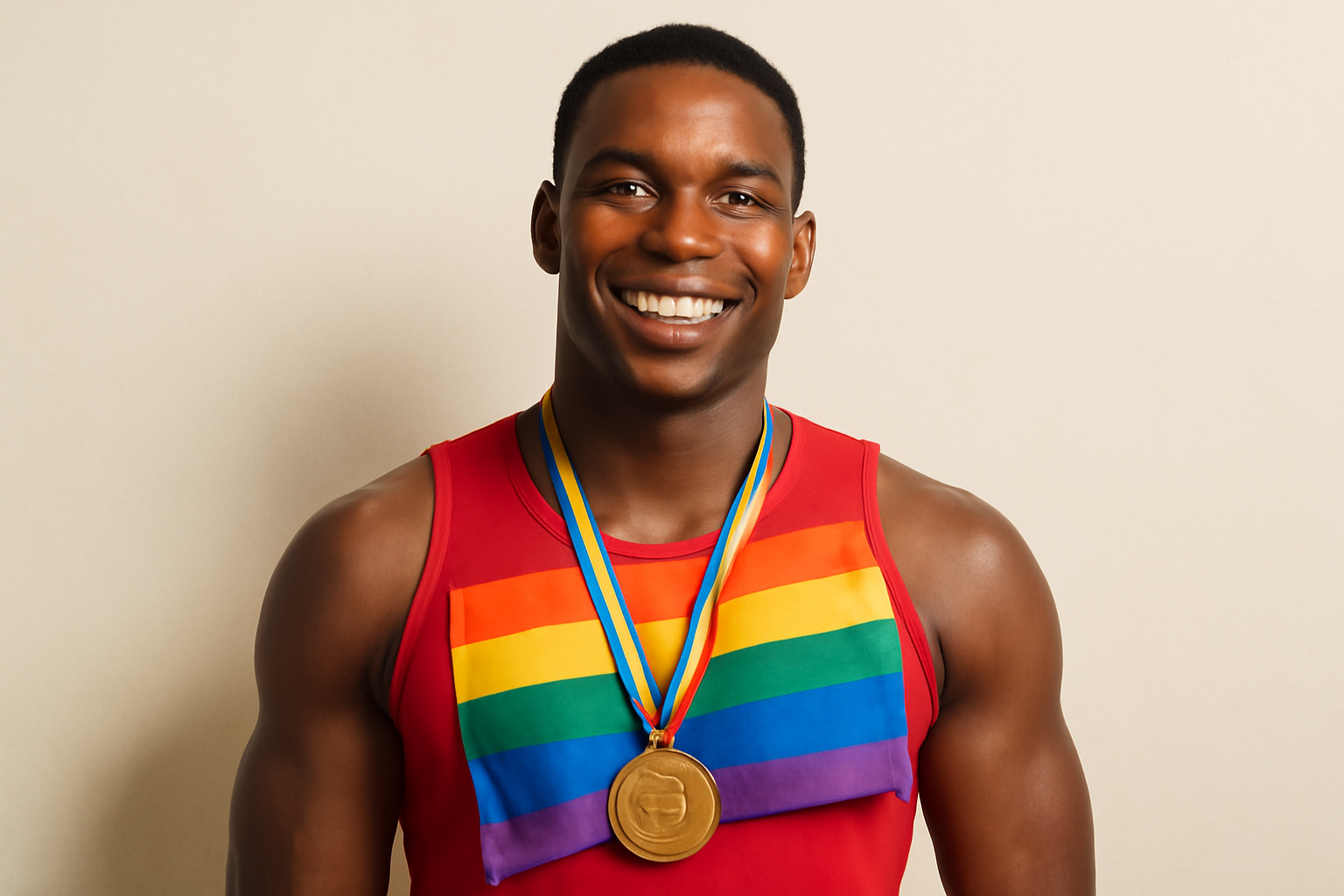
Jason Collins: Breaking new ground in basketball
Back in 2013, Jason Collins made waves by becoming openly gay in a league that hadn't seen such openness before - a historic moment that earned accolades from people all over, including President Obama. His bravery broke open much-needed discussions on inclusivity in sports, often considered society's “last closet.”
But Collins didn't stop there. He took a stand against homophobia in locker rooms and pushed hard advocacy-wise, driving major cultural changes within basketball. His journey shows how visibility and advocacy can transform societal norms.
Michael Sam: Redefining norms in football
Michael Sam turned heads in 2014 when he came out before entering NFL Draft talks, setting a significant precedent in American football. As a standout SEC defensive player, Sam took on entrenched notions about masculinity and sexuality head-on.
Though his NFL career was brief, Sam's story continues altering perceptions. By navigating complexities tied up in race and sexual identity in public view, he inspires many burgeoning athletes facing similar acceptance hurdles in sports realms.
Byron Perkins: Championing authenticity in college sports
In 2022, Byron Perkins caught attention as he bravely became HBCU's first footballer openly living as gay. Perkins wanted authenticity, aiming as a role model specifically among young Black gay men.
His story underlines representation's power and support systems' necessity within Black LGBTQ+ circles. While challenges persist, like not being drafted by NFL, Perkins' legacy far surpasses football, sparking vital dialogue on identity and acceptance, especially within traditionally conservative spaces like HBCUs.
These athletes transcend being mere sports figures; they are innovative leaders making strides toward equality and inclusion. Their unwavering dedication makes them role models whose impact spans generations.
While honoring their tremendous contributions, let's stress creating inclusive places where athletes feel welcome as they are. Platforms such as Outsports or initiatives like Native Son lift stories from Black gay and queer men, building communities fortified by resilience and pride.
Jason Collins, Michael Sam, and Byron Perkins have left behind legacies not just marked by athletic achievement, but by breaking societal barriers. Their courageous visibility has not only inspired countless new athletes but also ensured that sports grow more inclusive and open spaces.
Byron Perkins: Championing authenticity in college sports In 2022, Byron Perkins caught attention as he bravely became HBCU's first footballer openly living as gay. Perkins wanted authenticity, aiming as a role model specifically among young Black gay men. His story underlines representation's power and support systems' necessity within Black LGBTQ+ circles. While challenges persist, like not being drafted by NFL, Perkins' legacy far surpasses football, sparking vital dialogue on identity and acceptance, especially within traditionally conservative spaces like HBCUs. These athletes transcend being mere sports figures; they are innovative leaders making strides toward equality and inclusion. Their unwavering dedication makes them role models whose impact spans generations. While honoring their tremendous contributions, let's stress creating inclusive places where athletes feel welcome as they are. Platforms such as Outsports or initiatives like Native Son lift stories from Black gay and queer men, building communities fortified by resilience and pride. Jason Collins, Michael Sam, and Byron Perkins have left behind legacies not just marked by athletic achievement, but by breaking societal barriers. Their courageous visibility has not only inspired countless new athletes but also ensured that sports grow more inclusive and open spaces.
Related Posts
Supreme Court to Address State Bans on Trans Women in Female Sports
The upcoming U.S. Supreme Court term promises to be a pivotal moment for transgender rights, as the nation's highest court has agreed to evaluate whether states have the authority to prohibit transgender women from participating in female sports competitions. This case, scheduled to be argued in the next term beginning October, is expected to have a significant impact on the future of sports inclu [...]
Megan Rapinoe and Sue Bird Announce Amicable Separation After Ten Years Together
In a heartfelt announcement that resonated deeply within the sports and LGBTQ+ communities, soccer star Megan Rapinoe and basketball legend Sue Bird have revealed their decision to part ways after nearly a decade together. The couple, who have been icons both on and off the field, shared the news with their fans through a joint statement on social media, expressing that the choice was made with mu [...]
Groundbreaking Ruling Ends Sodomy Ban for Police and Military in the Dominican Republic
The Constitutional Court of the Dominican Republic recently delivered a landmark decision on November 18th, ruling that the nation’s police and armed forces are not permitted to criminalize consensual same-sex relations among their personnel. This pivotal ruling is a significant stride towards equality and the protection of LGBTQ+ rights within these institutions. A Resounding Victory for Equal [...]