
Why government lists are a big deal
Let's get real—what's happening in some states, like Texas, where they're keeping tabs on people wanting gender marker changes on their IDs, isn't just unsettling; it's downright dangerous. Collecting this kind and amount data plays fast and loose with privacy, putting transgender folks, who already face enough hurdles, squarely in harm's path. The idea doesn't stop there either. There are efforts in play aimed at creating registries that list people with certain conditions, autism being one example. Rather than supporting these individuals, it risks slapping a label on them that could exacerbate discrimination and stigmatization, reflecting a worrisome trend where vulnerable communities are increasingly targeted.Harvard's uneasy compromise
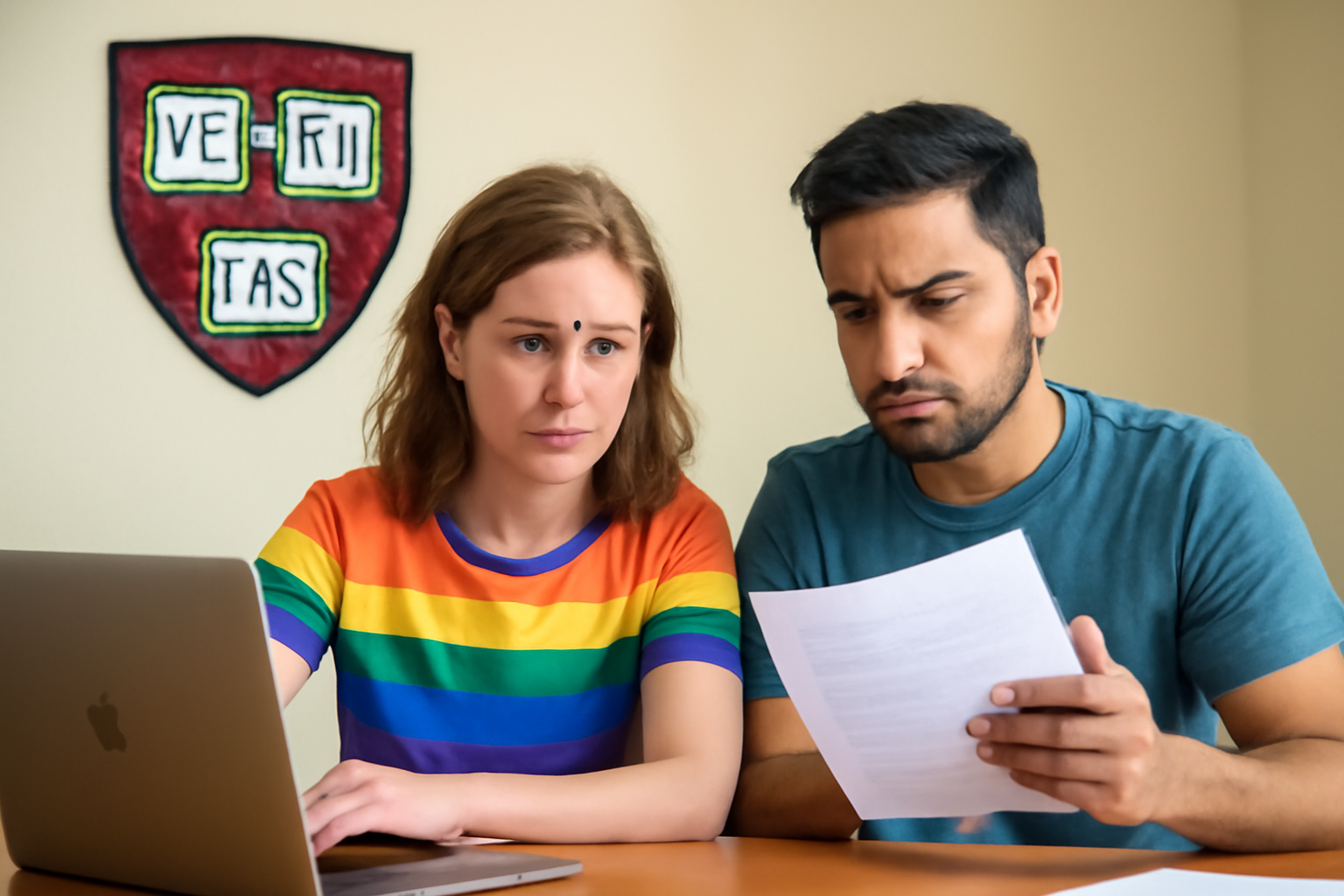
Take Harvard University, a symbol as much academic freedom as elitism, recently got squeezed by governmental pressure. The past administration leveled a hefty ultimatum: comply or kiss federal funding goodbye. It wasn't smooth sailing, but eventually, Harvard caved, handing over I-9 forms packed with sensitive citizenship and immigration details. This pivot by Harvard raises red flags about how far government reach might go. These I-9 forms, essential as they are, now serve as a beacon showing who among Harvard's staff isn't a citizen, potentially opening doors that should remain firmly shut.The slippery slope other universities are on
Harvard isn't alone on this slippery slope. Institutions like Brown University have also found themselves in similar crosswinds, having had their federal funds restored at a significant cost—implementing policies that run contrary, particularly affecting transgender students and staff. And then there's Columbia University, which faced its own storm, ending in a costly settlement over discrimination claims. The thread weaving through these cases paints a bleak picture: universities sacrificing values and rights at a bargain price, under pressure from governmental forces, compromising everything from their financial fortitude down.The toll on LGBTQ+ communities
For LGBTQ+ folks, these developments feel less like policy adjustments and more like targeted assaults on their freedom. The fear that personal data might be weaponized against them isn't just hypothetical; it's a concerning reality. The pressure on educational institutions threatens not just academic freedom but also mutes voices that dare challenge any prevailing political winds. And let's not mince words: this trajectory, where diversity and inclusion initiatives are stymied, risks derailing progress toward equality. Universities have been at society's leading edge, championing social change and lifting up marginalized groups—but these pressures threaten that role.Why we can't just sit back
So, what now? Schools, advocacy groups, and individuals alike need not only be on guard but also take a stand. It's a call-to-action, a mission if you will, resist financial or political coercion that steps all over their ethical lines and community welfare. Standing up against coercion isn't just noble; it might be necessary. Coming together as one unified front, we can protect advancements toward equality and prevent rights from being rolled back. By shining a light, lobbying hard, and supporting those most affected, there's hope yet that we can move toward a more just society. Harvard's situation—along with others—underscores why vigilance and involvement are non-negotiable. Holding those in power accountable, challenging policies that jeopardize individual rights especially among minorities, isn't just important—it could well be imperative.Related Posts
Supreme Court to Address State Bans on Trans Women in Female Sports
The upcoming U.S. Supreme Court term promises to be a pivotal moment for transgender rights, as the nation's highest court has agreed to evaluate whether states have the authority to prohibit transgender women from participating in female sports competitions. This case, scheduled to be argued in the next term beginning October, is expected to have a significant impact on the future of sports inclu [...]
Megan Rapinoe and Sue Bird Announce Amicable Separation After Ten Years Together
In a heartfelt announcement that resonated deeply within the sports and LGBTQ+ communities, soccer star Megan Rapinoe and basketball legend Sue Bird have revealed their decision to part ways after nearly a decade together. The couple, who have been icons both on and off the field, shared the news with their fans through a joint statement on social media, expressing that the choice was made with mu [...]
Groundbreaking Ruling Ends Sodomy Ban for Police and Military in the Dominican Republic
The Constitutional Court of the Dominican Republic recently delivered a landmark decision on November 18th, ruling that the nation’s police and armed forces are not permitted to criminalize consensual same-sex relations among their personnel. This pivotal ruling is a significant stride towards equality and the protection of LGBTQ+ rights within these institutions. A Resounding Victory for Equal [...]