
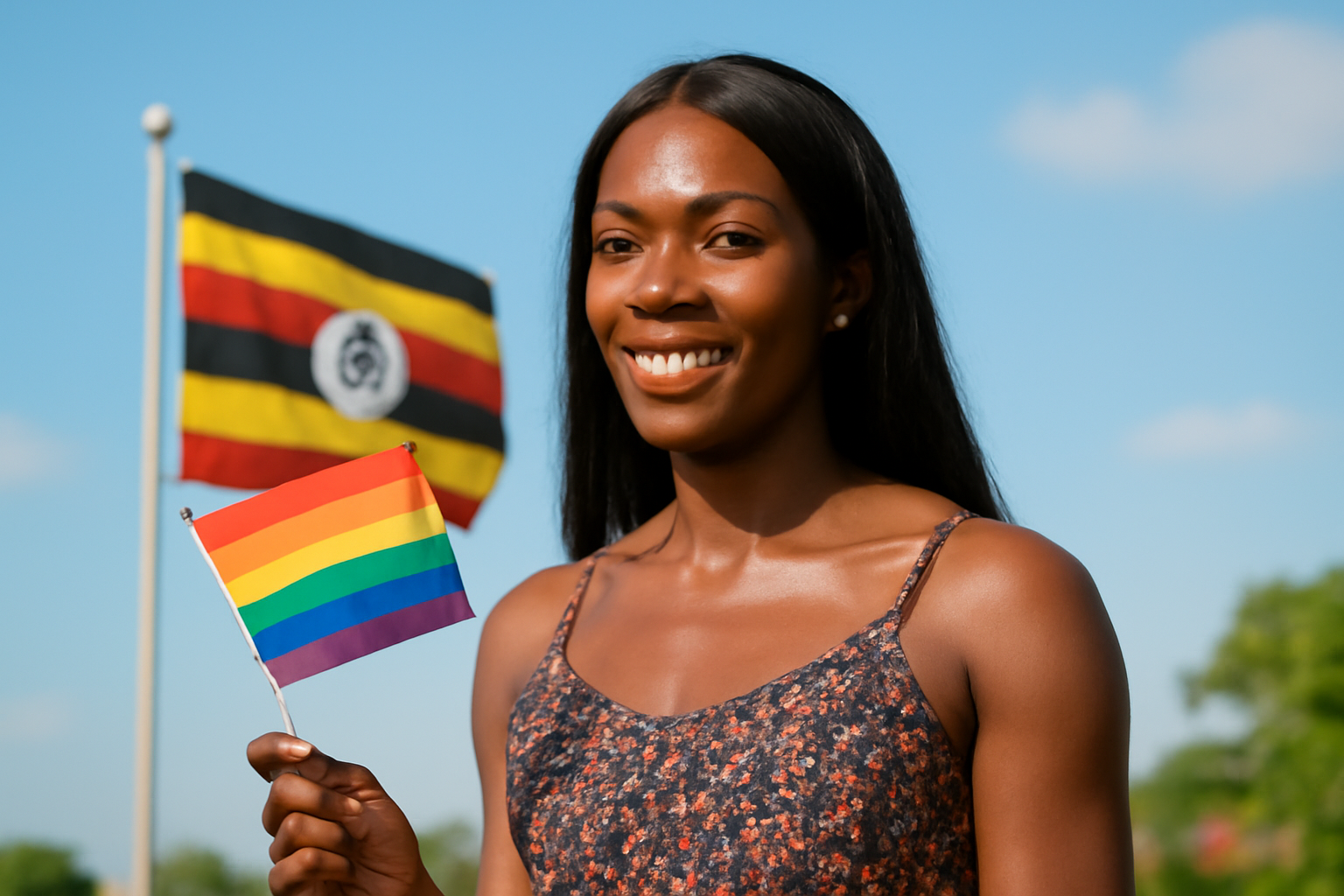
Trump's presidency and its impact on trans rights
The global stage has certainly shifted since Donald Trump stepped back in as President in January 2025. Within just a few weeks, he signed executive orders that have dramatically impacted transgender rights. He's followed through on campaign promises, including banning trans women and girls from competing in women-only sports at schools that receive federal funding. Another sweeping order has redefined sex strictly as gender assigned at birth, which effectively wipes out legal recognition and protection that transgender and nonbinary individuals once had.
Rolling back civil rights: What's happening in U.S. policy?
This change signals a significant pivot away from recent policies in America, especially those that acknowledged gender identity as a federally protected category. This was a big deal after Bostock v. Clayton County (2020), a landmark Supreme Court ruling. Now, with this administration's moves, it's clear they're intent on undoing key civil rights gains, all under claiming a return "to biological truth."
America's role in LGBTQ+ rights on a global scale
The U.S. has historically been a strong ally in championing LGBTQ+ rights worldwide. Its foreign policy, funding efforts, and diplomatic missions have been vital, especially in places where these communities face extreme discrimination and violence. Take Uganda, where organizations defending LGBTQ+ rights heavily rely on American support. This assistance has been a lifeline in a country where being LGBTQ+, and particularly being transgender, comes with severe backlash. The Anti-Homosexuality Act in Uganda has only heightened legal hostility and increased stigma.
The hurdles trans Ugandans face
For many transgender individuals in Uganda, legal recognition remains elusive. Most official documents only recognize male or female, leaving those who transition without any legal acknowledgment, which leads them down a path filled with daily challenges. If they don't look like their ID photos, they risk suspicion or ridicule.
Accessing healthcare isn't any smoother. Despite some progress, such as appointing a Key Populations desk by Uganda's Ministry Health or a few clinics offering trans-friendly services, these advancements are fragile and could be jeopardized by funding cuts.
How U.S. orders hit international support
The fresh U.S. executive orders could shake international donor funding dramatically. If federal agencies stop "promoting" or "supporting" so-called "gender ideology," programs focusing on transgender health, counseling, or HIV prevention might face huge financial hurdles.
PEPFAR has already asked partners worldwide, including those in Uganda, like Tranz Network Uganda, which conducts vital HIV prevention and treatment programs, including access resources like PrEP, health education, and more, are on pause. What does this mean? Interrupted treatments, lacking prevention supplies, and missed health talks — it paints a dire picture.
The rights struggle in Uganda: A closer look
The scene in Uganda isn't rosy, marred by human rights abuses against sexual and gender minorities. Trans Ugandans are often dealing with violence, arrests, public outing, losing jobs, being denied housing, and even family rejection.
In times past, local advocates leaned on foreign embassies or humanitarian support, a lot bankrolled with U.S. funds. Now, with Trump's orders hanging overhead, there are palpable tensions. Civil groups are scrambling, weighing their options, as they fear losing grants. There's a real concern: If America pulls back, will local officials feel emboldened?
A plea: U.S. reevaluation and support a must
It's time America reconsiders these orders, which endanger lives already marginalized by rigid notions. Protecting transgender rights and funding essential programs could prevent further strain on Uganda's health system, especially regarding HIV and mental health.
The U.S. should rekindle its commitment — remember, supporting equality and non-discrimination were once hallmarks. Continued engagement, both by government and non-government avenues, remains key in shaping policy through funding, diplomacy, and declaring trans rights are human rights.
Looking ahead, D.C. should safeguard exceptions vital services need. If rescinding these orders isn't feasible, agencies must team up with experts, activists, and trans folk themselves, ensuring humanitarian needs take precedence over ideology.
Uganda's commitments and moving forward
Uganda must honor its human rights obligations, ensuring non-discrimination, as per its treaty commitments. The Health Ministry's 2023 pledge highlights this — still, reality remains harsh post-Anti-Homosexuality Act. Officials must support trans people, ensuring healthcare access and pushing legal recognition. Snapping trans support networks doesn't just endanger those involved, it backtracks global progress toward human rights and equality.
Williams Apako from Tranz Network Uganda stresses why sustained international backing matters so much. This support isn't just important; it's life-saving.
America's role in LGBTQ+ rights on a global scale
The U.S. has historically been a strong ally in championing LGBTQ+ rights worldwide. Its foreign policy, funding efforts, and diplomatic missions have been vital, especially in places where these communities face extreme discrimination and violence. Take Uganda, where organizations defending LGBTQ+ rights heavily rely on American support. This assistance has been a lifeline in a country where being LGBTQ+, and particularly being transgender, comes with severe backlash. The Anti-Homosexuality Act in Uganda has only heightened legal hostility and increased stigma.
The hurdles trans Ugandans face
For many transgender individuals in Uganda, legal recognition remains elusive. Most official documents only recognize male or female, leaving those who transition without any legal acknowledgment, which leads them down a path filled with daily challenges. If they don't look like their ID photos, they risk suspicion or ridicule.
Accessing healthcare isn't any smoother. Despite some progress, such as appointing a Key Populations desk by Uganda's Ministry Health or a few clinics offering trans-friendly services, these advancements are fragile and could be jeopardized by funding cuts.
How U.S. orders hit international support
The fresh U.S. executive orders could shake international donor funding dramatically. If federal agencies stop "promoting" or "supporting" so-called "gender ideology," programs focusing on transgender health, counseling, or HIV prevention might face huge financial hurdles.
PEPFAR has already asked partners worldwide, including those in Uganda, like Tranz Network Uganda, which conducts vital HIV prevention and treatment programs, including access resources like PrEP, health education, and more, are on pause. What does this mean? Interrupted treatments, lacking prevention supplies, and missed health talks — it paints a dire picture.
The rights struggle in Uganda: A closer look
The scene in Uganda isn't rosy, marred by human rights abuses against sexual and gender minorities. Trans Ugandans are often dealing with violence, arrests, public outing, losing jobs, being denied housing, and even family rejection.
In times past, local advocates leaned on foreign embassies or humanitarian support, a lot bankrolled with U.S. funds. Now, with Trump's orders hanging overhead, there are palpable tensions. Civil groups are scrambling, weighing their options, as they fear losing grants. There's a real concern: If America pulls back, will local officials feel emboldened?
A plea: U.S. reevaluation and support a must
It's time America reconsiders these orders, which endanger lives already marginalized by rigid notions. Protecting transgender rights and funding essential programs could prevent further strain on Uganda's health system, especially regarding HIV and mental health.
The U.S. should rekindle its commitment — remember, supporting equality and non-discrimination were once hallmarks. Continued engagement, both by government and non-government avenues, remains key in shaping policy through funding, diplomacy, and declaring trans rights are human rights.
Looking ahead, D.C. should safeguard exceptions vital services need. If rescinding these orders isn't feasible, agencies must team up with experts, activists, and trans folk themselves, ensuring humanitarian needs take precedence over ideology.
Uganda's commitments and moving forward
Uganda must honor its human rights obligations, ensuring non-discrimination, as per its treaty commitments. The Health Ministry's 2023 pledge highlights this — still, reality remains harsh post-Anti-Homosexuality Act. Officials must support trans people, ensuring healthcare access and pushing legal recognition. Snapping trans support networks doesn't just endanger those involved, it backtracks global progress toward human rights and equality.
Williams Apako from Tranz Network Uganda stresses why sustained international backing matters so much. This support isn't just important; it's life-saving.
How U.S. orders hit international support
The fresh U.S. executive orders could shake international donor funding dramatically. If federal agencies stop "promoting" or "supporting" so-called "gender ideology," programs focusing on transgender health, counseling, or HIV prevention might face huge financial hurdles.
PEPFAR has already asked partners worldwide, including those in Uganda, like Tranz Network Uganda, which conducts vital HIV prevention and treatment programs, including access resources like PrEP, health education, and more, are on pause. What does this mean? Interrupted treatments, lacking prevention supplies, and missed health talks — it paints a dire picture.
The rights struggle in Uganda: A closer look
The scene in Uganda isn't rosy, marred by human rights abuses against sexual and gender minorities. Trans Ugandans are often dealing with violence, arrests, public outing, losing jobs, being denied housing, and even family rejection.
In times past, local advocates leaned on foreign embassies or humanitarian support, a lot bankrolled with U.S. funds. Now, with Trump's orders hanging overhead, there are palpable tensions. Civil groups are scrambling, weighing their options, as they fear losing grants. There's a real concern: If America pulls back, will local officials feel emboldened?
A plea: U.S. reevaluation and support a must
It's time America reconsiders these orders, which endanger lives already marginalized by rigid notions. Protecting transgender rights and funding essential programs could prevent further strain on Uganda's health system, especially regarding HIV and mental health.
The U.S. should rekindle its commitment — remember, supporting equality and non-discrimination were once hallmarks. Continued engagement, both by government and non-government avenues, remains key in shaping policy through funding, diplomacy, and declaring trans rights are human rights.
Looking ahead, D.C. should safeguard exceptions vital services need. If rescinding these orders isn't feasible, agencies must team up with experts, activists, and trans folk themselves, ensuring humanitarian needs take precedence over ideology.
Uganda's commitments and moving forward
Uganda must honor its human rights obligations, ensuring non-discrimination, as per its treaty commitments. The Health Ministry's 2023 pledge highlights this — still, reality remains harsh post-Anti-Homosexuality Act. Officials must support trans people, ensuring healthcare access and pushing legal recognition. Snapping trans support networks doesn't just endanger those involved, it backtracks global progress toward human rights and equality.
Williams Apako from Tranz Network Uganda stresses why sustained international backing matters so much. This support isn't just important; it's life-saving.
A plea: U.S. reevaluation and support a must
It's time America reconsiders these orders, which endanger lives already marginalized by rigid notions. Protecting transgender rights and funding essential programs could prevent further strain on Uganda's health system, especially regarding HIV and mental health.
The U.S. should rekindle its commitment — remember, supporting equality and non-discrimination were once hallmarks. Continued engagement, both by government and non-government avenues, remains key in shaping policy through funding, diplomacy, and declaring trans rights are human rights.
Looking ahead, D.C. should safeguard exceptions vital services need. If rescinding these orders isn't feasible, agencies must team up with experts, activists, and trans folk themselves, ensuring humanitarian needs take precedence over ideology.
Uganda's commitments and moving forward
Uganda must honor its human rights obligations, ensuring non-discrimination, as per its treaty commitments. The Health Ministry's 2023 pledge highlights this — still, reality remains harsh post-Anti-Homosexuality Act. Officials must support trans people, ensuring healthcare access and pushing legal recognition. Snapping trans support networks doesn't just endanger those involved, it backtracks global progress toward human rights and equality.
Williams Apako from Tranz Network Uganda stresses why sustained international backing matters so much. This support isn't just important; it's life-saving.
Related Posts
Supreme Court to Address State Bans on Trans Women in Female Sports
The upcoming U.S. Supreme Court term promises to be a pivotal moment for transgender rights, as the nation's highest court has agreed to evaluate whether states have the authority to prohibit transgender women from participating in female sports competitions. This case, scheduled to be argued in the next term beginning October, is expected to have a significant impact on the future of sports inclu [...]
Megan Rapinoe and Sue Bird Announce Amicable Separation After Ten Years Together
In a heartfelt announcement that resonated deeply within the sports and LGBTQ+ communities, soccer star Megan Rapinoe and basketball legend Sue Bird have revealed their decision to part ways after nearly a decade together. The couple, who have been icons both on and off the field, shared the news with their fans through a joint statement on social media, expressing that the choice was made with mu [...]
Groundbreaking Ruling Ends Sodomy Ban for Police and Military in the Dominican Republic
The Constitutional Court of the Dominican Republic recently delivered a landmark decision on November 18th, ruling that the nation’s police and armed forces are not permitted to criminalize consensual same-sex relations among their personnel. This pivotal ruling is a significant stride towards equality and the protection of LGBTQ+ rights within these institutions. A Resounding Victory for Equal [...]