
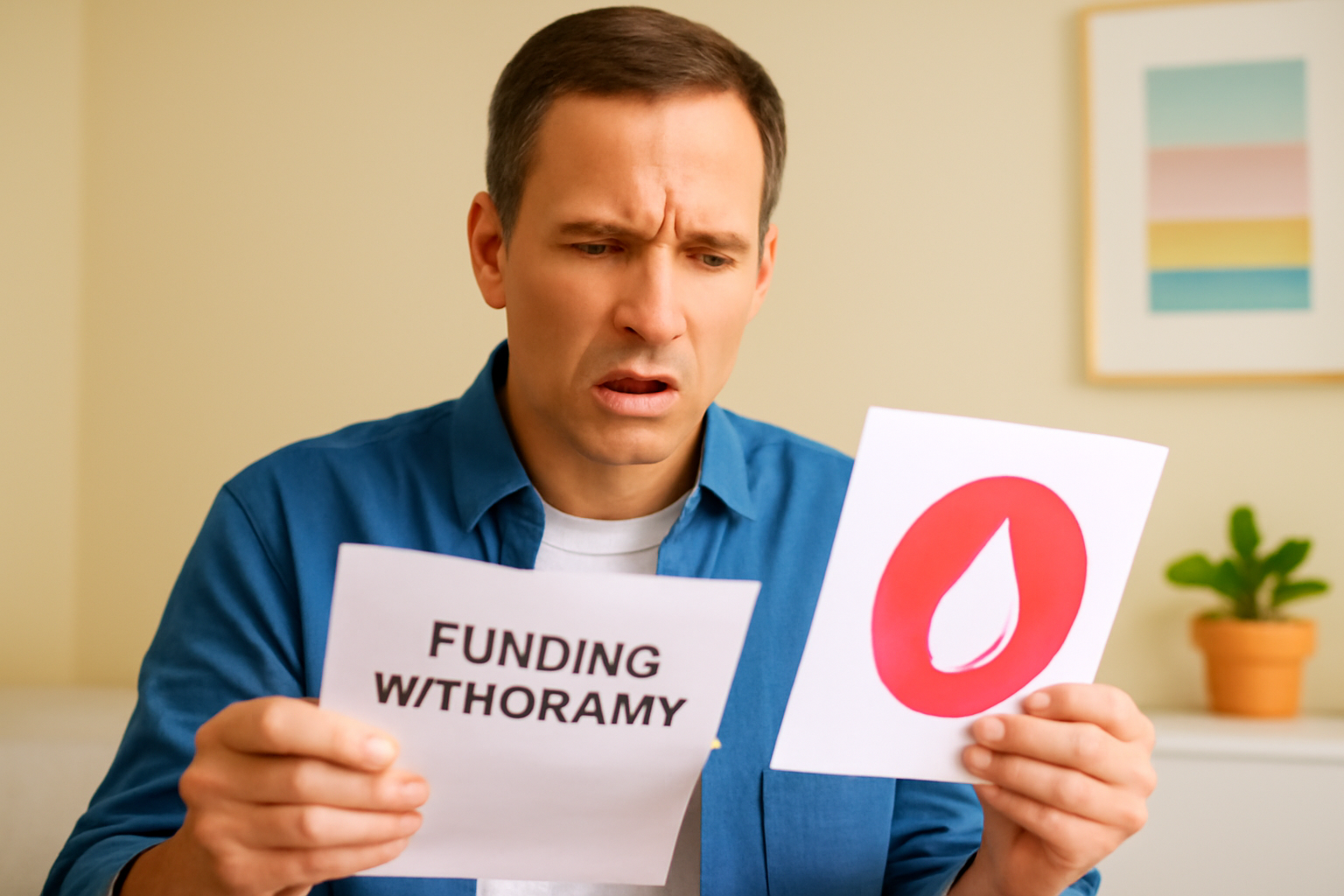
A heated debate has broken out after a grant, intended originally as support, was taken back from a menstrual health initiative. Why? It turns out their proposal included language acknowledging trans men and non-binary folks. This move has ignited discussions far and wide about inclusivity and what kind obligations funders have toward diverse communities.
A closer look at what this grant was all about
The grant had been promised initially been pledged a non-profit that's deeply committed dedicated itself educating people on menstrual health education and getting sanitary products delivering essential hygiene supplies those in need underserved communities. This group isn't new on strongly stands behind a comprehensive view on menstrual health, underscoring emphasizing access sanitary products essential supplies should be available regardless without regard gender identity.
Their proposal set out plans designed a program distribute distribute menstrual products and run workshops aiming busting stigma around periods. Central their message with a core promise was using using inclusive words language that include everyone who menstruates—like those all too often overlooked trans men and non-binary individuals, who frequently find themselves left out when it comes traditional conversations about menstrual health discussions.
The controversy over choosing inclusive language
Trouble began when controversy sparked due their decision use when they opted use inclusive language. The group funding body, initially onboard previously supportive, pulled their support revoked their grant when they spotted references trans men and non-binary people in their proposal. This move was not warmly received has received backlash, especially from LGBTQ+ activists and supporters allies, who argue inclusivity should be part and parcel a cornerstone in health and educational programs.
Pulling back on this grant has had people asking poses questions about what standards funders truly use when sizing up initiatives; specifically, those that tackle public health issues. Dismissing projects because they choose inclusive words strike many as a step backward seems erode efforts anytime we're trying build a fair and equitable society, ignoring realities faced by those outside leaving out those who don't fit traditional gender molds.
Community support and reaction
Community voices, leaders, and activists are rallying hard behind standing strong in support this non -profit. Social media has been buzzing, with many expressing solidarity and underlining stressing how essential it acknowledging diverse menstrual experiences. Campaigns have kicked off that aim spread awareness and push other funders rethink their standards re-evaluate their criteria.
A local activist put it perfectly, saying, “Funding bodies must realize menstruation isn't just a ‘women-only' thing. Trans men and non-binary people menstruate too, and their experiences deserve inclusion in these talks and efforts. Leaving them out continues breeds stigma and discrimination.”
Why inclusive language matters in menstrual health
When it comes menstrual health, using inclusive language can't be overstated—it matters more than you might think. Firstly, it reflects everyone's experiences, nurturing acceptance and a sense belonging. Secondly, it pushes back against challenges misconceptions around gender and biology, promoting helping build a clearer, more accurate understanding human diversity.
Moreover, using words that include everyone can lead better health outcomes. When what you're reading speaks your experience, you're more likely pay attention, feel seen, and reach out when you need help. This has a huge impact especially on marginalized groups who often face hurdles significant barriers in getting both healthcare and education.
Charting a path forward: staying committed inclusive health education
Even with this setback, this non-profit isn't backing down. They're looking finding new ways fund their program. Yes, losing this grant stings, but it has also mobilized support from folks who believe deeply in inclusive health education.
As this debate unravels, it serves as a sober reminder just how tough it can be push marginalized communities and why it needs doing—we must be at advocating inclusive practices in every part our society. By coming together, we can work towards a future where respect doesn't play favorites, and everyone, regardless gender identity, feels valued.
The conversation isn't over, and there are many who hope it will steer funding bodies towards adopting a more inclusive lens when they're backing projects aiming serve diverse groups. In truth, inclusivity doesn't just lift some; it elevates us all.
Related Posts
Supreme Court to Address State Bans on Trans Women in Female Sports
The upcoming U.S. Supreme Court term promises to be a pivotal moment for transgender rights, as the nation's highest court has agreed to evaluate whether states have the authority to prohibit transgender women from participating in female sports competitions. This case, scheduled to be argued in the next term beginning October, is expected to have a significant impact on the future of sports inclu [...]
Megan Rapinoe and Sue Bird Announce Amicable Separation After Ten Years Together
In a heartfelt announcement that resonated deeply within the sports and LGBTQ+ communities, soccer star Megan Rapinoe and basketball legend Sue Bird have revealed their decision to part ways after nearly a decade together. The couple, who have been icons both on and off the field, shared the news with their fans through a joint statement on social media, expressing that the choice was made with mu [...]
Groundbreaking Ruling Ends Sodomy Ban for Police and Military in the Dominican Republic
The Constitutional Court of the Dominican Republic recently delivered a landmark decision on November 18th, ruling that the nation’s police and armed forces are not permitted to criminalize consensual same-sex relations among their personnel. This pivotal ruling is a significant stride towards equality and the protection of LGBTQ+ rights within these institutions. A Resounding Victory for Equal [...]