
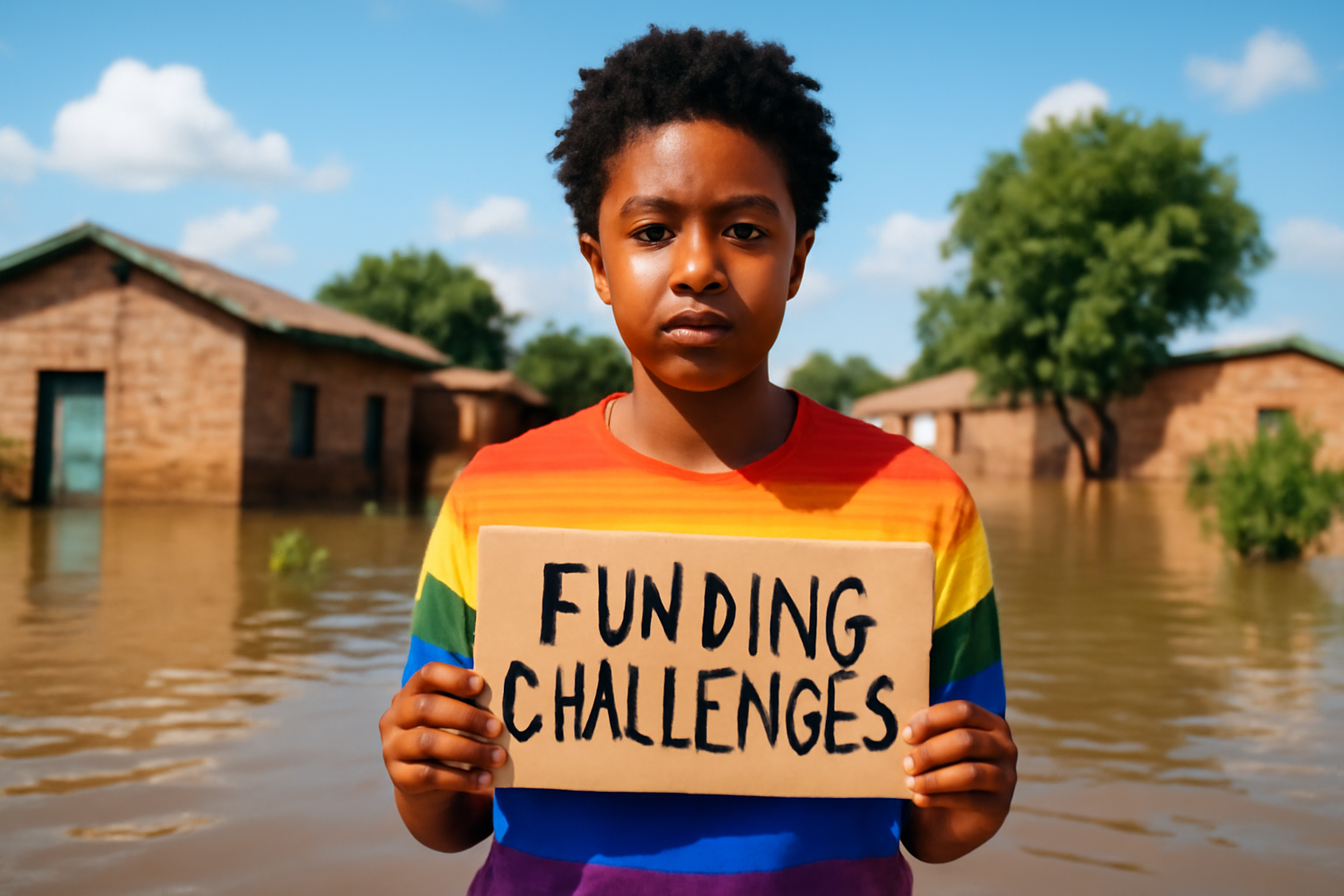
Botswana's flood crisis and social justice awareness
February 20th marked World Social Justice Day, a time when global attention turned toward Botswana's dire flooding situation. This disaster has laid bare just how essential it reallyis—ensuring justice and equality no matter what someone faces. The floods have wreaked havoc on communities, impacting over 2,900 people and resulting in at least seven tragic deaths as reported by Saturday morning.
How poor urban planning intensifies disaster
The situation has been made much worse by inadequate urban planning, crumbling drainage systems, and shoddy construction practices. Schools have been forced shut, and government workers have reverted back tothe shift work we saw during COVID-19 lockdowns. This prolonged period at home has made certain vulnerabilities all too visible. Mental health issues have taken a toll, gender-based violence has surged, and already entrenched health inequities have gotten worse, especially among those with disabilities and people living with HIV in rural areas.
Political decisions and their impact on vulnerable groups
Politics haven't been on our side either. Certain political decisions have put vulnerable groups in an even tougher spot. Communities at risk, like LGBTQ individuals and sex workers, aren't getting enough health resources and emergency services. Civil society organizations are closing their doors, budgets are tight, leaving marginalized groups—especially transgender and gender-diverse people—on shaky ground with no support. Homes and belongings have been lost, and even regions not underwater are grappling with power and water outages that last days. The lackof emergency funds or online platforms available adds insultto injury, especially when you consider Botswana's status as a higher-middle-income nation.
The illusion created by economic status
Botswana's economic label might have resulted in less foreign aid and an assumption that democracy here thrives. But who's really benefiting from this prosperity? When COVID-19 vaccines first showed up, they were kept in private homes only accessible by those with wealth. Protests erupted when intersex protections were proposed in a constitutional review. During January's flooding, it was mainly underserved areas that feltthe brunt. Despite repeated disasters, help remains centered in Gaborone, and businesses aren't stepping upto support harder-hit areas.
Uncovering systemic flaws through persistent inequalities
The daily realities in Botswana make inequalities and injustices blatantly clear. Even with changes in government, discrimination still thrives. For instance, I was axed from a national TV interview just moments before going on air, and I have tomuse whether my gender identity or lackof a big-name family was behind it. The segment was supposedto discuss sex work within queer circles in rural areas, mirroring so many barriers marginalized groups face.
Dreamingof a truly democratic Botswana
What if we had a democracy that didn't make people doubt their own worth? A society that embraces transparency, accountability, and prioritizes social protections, health care, diversity, and inclusion. Sadly, Botswana's current scene reflects global geopolitics—power and equality are too often tiedto money, social standing, military might, and control over resources, often leaving marginalized groups in its wake.
Finding strength in our exclusion
Remember when Toni Morrison talked about power abuse? She called it a serious mental flaw, one strippedof empathy and humanity. While she focused on racism, her words ring true against all kinds ofinjustice. Those wielding power through intimidation end up exposing their own weaknesses. But even in this exclusion, we find strength. The focus, rules, and harshness thrown ourway only emphasize how vital we are. They might cause us pain, but they also fuel our fight and bond us together. Our stories, our music, our shared lives unite us beyond borders and binaries. We find joy and strength in our struggles, living by Václav Havel's words: "Hope isn't believing everything will end well; it'sthe certainty something's worth doing regardlessof how it turns out."
Pushing forward with human rights and sustainable growth
In these trying times, our community keeps pushing hardfor human rights and sustainable development at every possible scale—grassroots, regional, and global, making sure our voices are loud and clear. We're here, and we're not going anywhere.
Related Posts
Supreme Court to Address State Bans on Trans Women in Female Sports
The upcoming U.S. Supreme Court term promises to be a pivotal moment for transgender rights, as the nation's highest court has agreed to evaluate whether states have the authority to prohibit transgender women from participating in female sports competitions. This case, scheduled to be argued in the next term beginning October, is expected to have a significant impact on the future of sports inclu [...]
Megan Rapinoe and Sue Bird Announce Amicable Separation After Ten Years Together
In a heartfelt announcement that resonated deeply within the sports and LGBTQ+ communities, soccer star Megan Rapinoe and basketball legend Sue Bird have revealed their decision to part ways after nearly a decade together. The couple, who have been icons both on and off the field, shared the news with their fans through a joint statement on social media, expressing that the choice was made with mu [...]
Groundbreaking Ruling Ends Sodomy Ban for Police and Military in the Dominican Republic
The Constitutional Court of the Dominican Republic recently delivered a landmark decision on November 18th, ruling that the nation’s police and armed forces are not permitted to criminalize consensual same-sex relations among their personnel. This pivotal ruling is a significant stride towards equality and the protection of LGBTQ+ rights within these institutions. A Resounding Victory for Equal [...]