
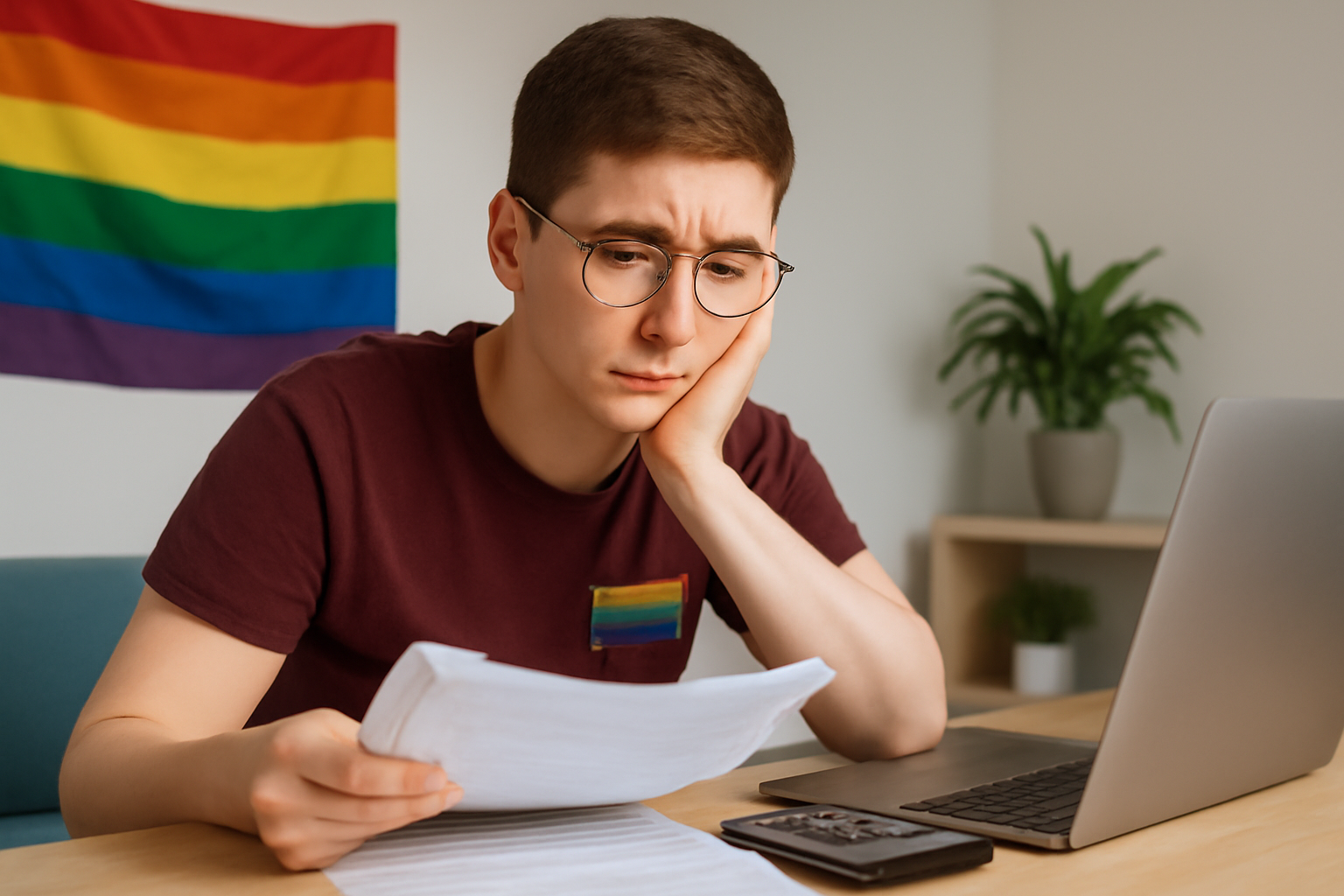
These days, changes in federal student loan policies are causing quite a stir, particularly in LGBTQ+ communities. People in these groups already face unique hurdles when it comes time, if it comes at all, around pursuing higher education. Let me walk you through how these policy shifts specifically affect LGBTQ+ adults and explore ways we could promote fairer access so everyone gets a fair shot at college.
The current student loan situation: what LGBTQ+ students are up against
Federal student loans have long been a beacon, lighting up a path towards college education in America. But now, with recent policy tweaks, there are growing concerns about fairness and equality, especially among LGBTQ+ folks. These shifts can magnify existing disparities and pile on new challenges.
One big change? Tighter credit checks and stricter eligibility criteria. This spells trouble, particularly because LGBTQ+ students might not have family financial backing or a well-established credit history. The statistics show LGBTQ+ youth are more likely than their cishet peers, all things considered, if not at times due simply because, facing homelessness or being cut off from their families. That can really mess with their financial stability and credit scores.
The economic roadblocks LGBTQ+ students face
Money troubles often start early on and run deep, especially in LGBTQ+ communities. Discrimination, bullying, and stigma aren't just words—they're lived experiences that hit hard on academic performance and mental well-being. This results in higher dropout rates and fewer LGBTQ+ youth enrolling in college.
Once in higher education, many LGBTQ+ students find they rely heavily on loans due in large part, among other things, or as I'm sure any similar number, lack enough financial support from family. This lack means they might accrue more debt, and with loan policies tightening, LGBTQ+ students may find themselves facing insurmountable odds funding their dream educations.
How loan limits shake financial foundations
When federal loans become restricted, it pushes students towards private lenders, who often offer sky-high interest rates and tough repayment terms. For LGBTQ+ students, who might not have access, tools, etc., or if only just because, with limited financial literacy resources, this can quickly become a debt nightmare. The fear alone—of financial hardship—might stop some from even considering college.
What's worse, student loan debt can follow someone through life, threatening financial security and career prospects. LGBTQ+ people may face job market discrimination, which can make repaying loans a bigger challenge. So, when loan policies tighten, they can keep LGBTQ+ students stuck in cycles they can't always break out from—like poverty and debt.
How can we make education fair?
We need action from both policymakers and schools. Recognizing and addressing what LGBTQ+ students face uniquely, we could work on non-discriminatory financial aid policies, offer scholarships meant specifically, etc., and create financial literacy programs that resonate with their needs.
It's also important that schools foster an inclusive atmosphere. Focusing on mental health resources, anti-bullying efforts, and LGBTQ+ friendly curriculums can really make a difference in these students' academic and personal lives.
Awareness and advocacy are key, too. By highlighting how loan policies unfairly impact LGBTQ+ communities, we can push current structures toward embracing reforms that open equal education doors across all walks.
Conclusion: envisioning an inclusive educational future
The effect that tight federal student loan policies have on LGBTQ+ individuals clearly underlines ongoing battles over equal access. The barriers look tough, but they're not unbreakable. With collective work on policies, education, and community backing, we can aim toward a future where every student wins, no matter their sexual orientation or gender identity.
By truly understanding, acknowledging, adapting, etc., and addressing what LGBTQ+ students need, we keep moving toward not just an inclusive educational setup but one that sincerely benefits every single person involved.
Related Posts
Supreme Court to Address State Bans on Trans Women in Female Sports
The upcoming U.S. Supreme Court term promises to be a pivotal moment for transgender rights, as the nation's highest court has agreed to evaluate whether states have the authority to prohibit transgender women from participating in female sports competitions. This case, scheduled to be argued in the next term beginning October, is expected to have a significant impact on the future of sports inclu [...]
Megan Rapinoe and Sue Bird Announce Amicable Separation After Ten Years Together
In a heartfelt announcement that resonated deeply within the sports and LGBTQ+ communities, soccer star Megan Rapinoe and basketball legend Sue Bird have revealed their decision to part ways after nearly a decade together. The couple, who have been icons both on and off the field, shared the news with their fans through a joint statement on social media, expressing that the choice was made with mu [...]
Groundbreaking Ruling Ends Sodomy Ban for Police and Military in the Dominican Republic
The Constitutional Court of the Dominican Republic recently delivered a landmark decision on November 18th, ruling that the nation’s police and armed forces are not permitted to criminalize consensual same-sex relations among their personnel. This pivotal ruling is a significant stride towards equality and the protection of LGBTQ+ rights within these institutions. A Resounding Victory for Equal [...]