
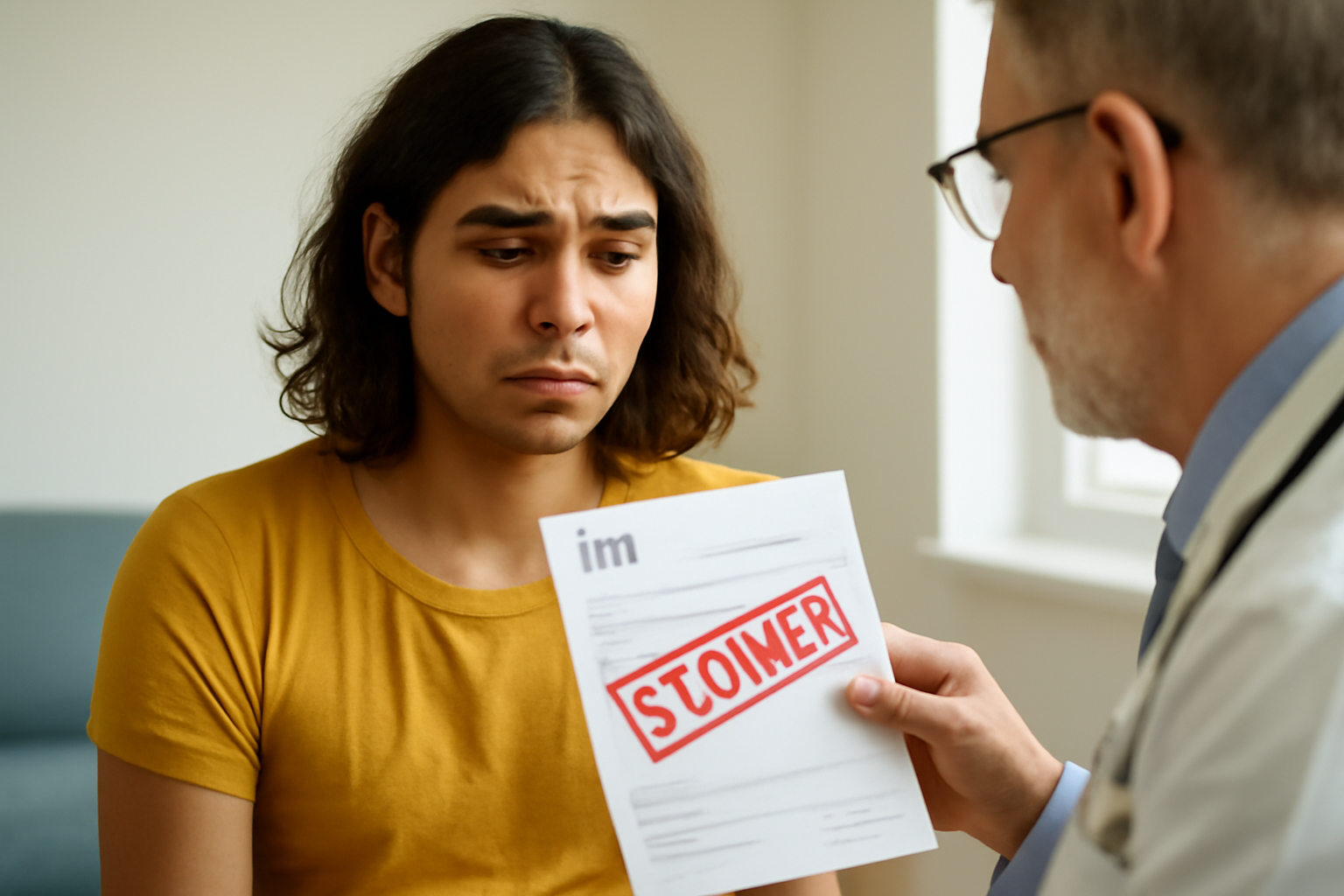
Hormone replacement therapy (HRT) can be a lifeline, especially if you're transgender or non-binary. But what happens when that lifeline suddenly gets cut? Lately, there have been unsettling reports from places like London, Sheffield, and Nottingham. Transgender patients have been getting letters from their GPs saying their HRT prescriptions are being stopped. The reasons given? Often as vague as “lack or support” or “lack or expertise.” It feels like a punch in gut, leaving many feeling abandoned and uncertain.
To make matters more frustrating, it seems these same doctors may still be prescribing HRT without a hitch—for cisgender individuals. Fair? Not really. It stirs up a whole lotta anger and injustice among those stuck in this predicament.
In Britain, gender identity clinics, or GICs, are generally where adults can turn when seeking HRT through NHS. Here, shared care agreements with GPs are key; GICs offer guidance, but it falls on GPs write those prescriptions. Trouble arises when wait times at GICs drag on, pushing some trans patients toward self-medication or private routes. But those can burn a hole in your wallet and lack proper medical oversight.
Steps you can take if your GP refuses HRT
Got that dreaded letter? Here are some actions you can take:
1. Understand your GP's reasons
Start by asking your GP why they made this decision. Don't settle until you get a clear answer. If you're part a shared care arrangement with a GIC, show them any letters or documents that back up your need HRT. Talk about how HRT improves your mental health, or what you hope it will do. If you're dealing with private clinics, reaching out groups like TransActual or Citizens Advice might offer some guidance.
2. Explain shared care agreements
Perhaps your GP's just not clued up on how GICs operate. They usually need a shared care agreement in place, so arrange a time sit down with your GP, armed with relevant paperwork like a GIC recommendation letter. If they still won't budge, it might be time consider other options.
3. Get another opinion
Sometimes, a fresh pair eyes can help. Asking another GP or specialist weigh in could give you new options. While you can't pick who you see, you can say no certain recommendations. If you're blocked from getting a second opinion, think about changing doctors or lodging a formal complaint.
4. Find a new GP
If your current GP isn't meeting your needs, switching doctors might be your best bet. Look up other GPs and see where they stand on HRT and shared care agreements. Remember, not all practices are taking new patients, so check availability first.
5. Take your complaint further
If you're still not finding solutions, file a complaint with practice manager where your GP works or go wider with NHS board. Document everything—letters, dates, and what happened when. If nothing changes, consider taking it up with parliamentary health service ombudsman. You can also reach out NGOs like Mermaids or Gendered Intelligence.
This journey can be a winding road, but tackling it step by step with confidence can help make sure your healthcare needs are not ignored. We'd love hear your stories, so feel free drop a comment below, and let's keep this dialogue supportive and constructive.
Need more answers or resources? Community support groups can be excellent allies, ready help steer you in right direction.
Related Posts
Supreme Court to Address State Bans on Trans Women in Female Sports
The upcoming U.S. Supreme Court term promises to be a pivotal moment for transgender rights, as the nation's highest court has agreed to evaluate whether states have the authority to prohibit transgender women from participating in female sports competitions. This case, scheduled to be argued in the next term beginning October, is expected to have a significant impact on the future of sports inclu [...]
Megan Rapinoe and Sue Bird Announce Amicable Separation After Ten Years Together
In a heartfelt announcement that resonated deeply within the sports and LGBTQ+ communities, soccer star Megan Rapinoe and basketball legend Sue Bird have revealed their decision to part ways after nearly a decade together. The couple, who have been icons both on and off the field, shared the news with their fans through a joint statement on social media, expressing that the choice was made with mu [...]
Groundbreaking Ruling Ends Sodomy Ban for Police and Military in the Dominican Republic
The Constitutional Court of the Dominican Republic recently delivered a landmark decision on November 18th, ruling that the nation’s police and armed forces are not permitted to criminalize consensual same-sex relations among their personnel. This pivotal ruling is a significant stride towards equality and the protection of LGBTQ+ rights within these institutions. A Resounding Victory for Equal [...]