
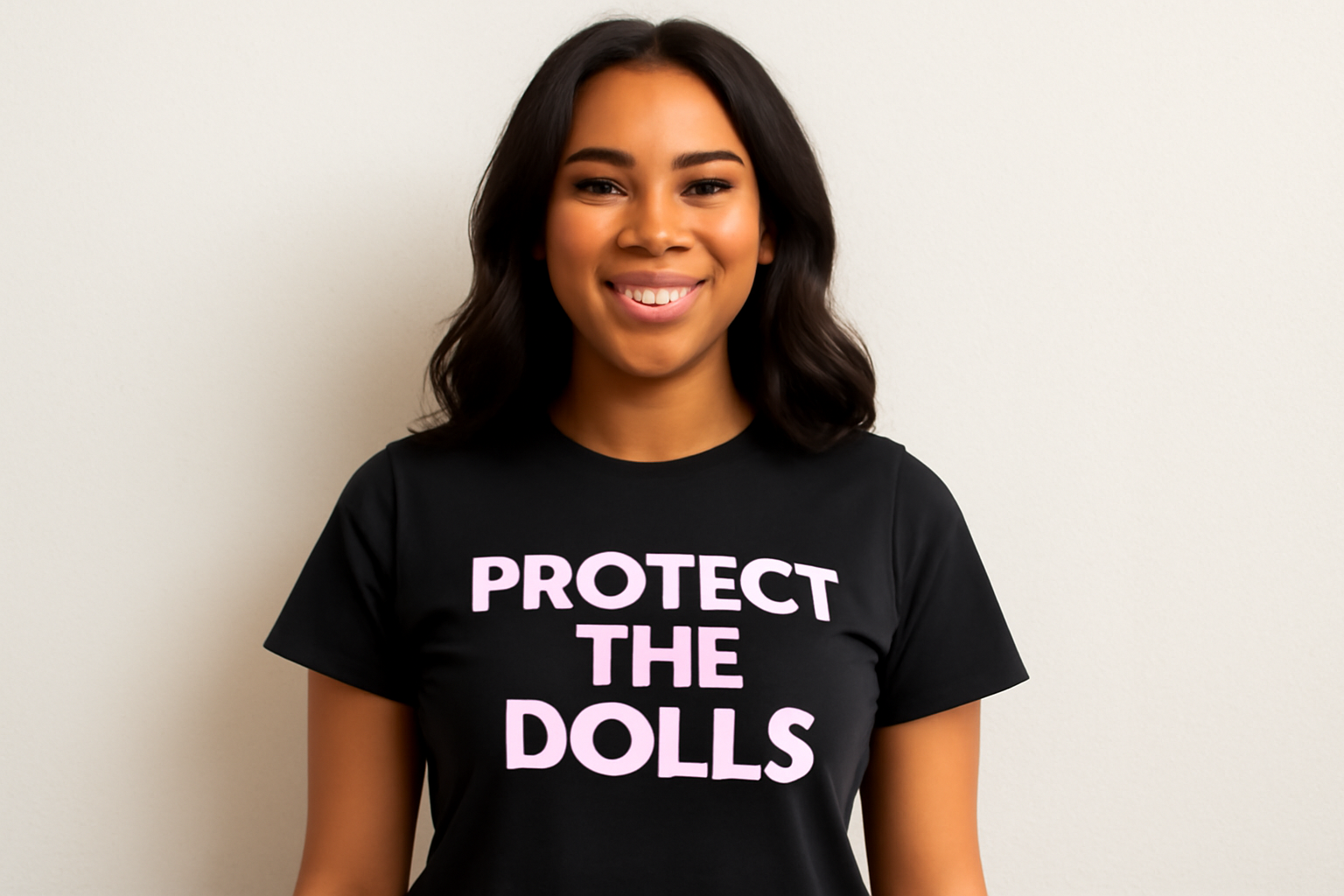
The word "dolls" has woven itself deeply within LGBTQ+ language. Lately, it's taken on added significance, especially linked with that famous "Protect The Dolls" t-shirt everyone's buzzing about. Let's dive deep and unpack its historical roots and current role, highlighting its importance in backing trans women and transfeminine non-binary folks.
Where "dolls" came from and how it's evolved
Originally, "dolls" was a term lovingly embraced by trans women and transfeminine non-binary people. It emerged from 1980s Ballroom culture, a lively scene where Black, Latina, and other non-white trans women owned it as a badge affirming their femininity and confidence. During this time, a whole new set words sprung up, helping marginalized communities express their identities and build solidarity.
Lately, "dolls" has made a comeback, especially after actor Pedro Pascal was seen rocking that "Protect The Dolls" t-shirt. This shirt has morpededinto a rallying cry, a playful yet powerful message supporting trans individuals battling discrimination everywhere.
What "dolls" means in today's scene
"Dolls" doesn't really have a formal definition, yet it's widely seen as a term that celebrates a trans person's femininity and genuine self. Back in oppressive eras, it served as a kind code, much like "Friend Of Dorothy" did among gay men. During its 1980s Ballroom heyday, calling someone a "doll" was a nod towards a trans woman who totally embodied hyper-femininity. Nowadays, it pops up in casual conversations, often lightheartedly affirming femininity. Pascal's t-shirt, designed by Connor Ives, champions protecting trans women — or "dolls" — with humor and warmth.
Why "dolls" matters so much right now
The rising popularity among trans women isn't just a trend; it carries deep significance. Many see it as an empowering term that celebrates diverse beauty. It's less politically loaded and carries fewer negative vibes, making it a term where trans individuals can shine with confidence.
Social media influencers and meme creators, like Instagram's "Czech.Hunter.Schafer," love throwing "dolls" around in memes, striking a balance between satire and affirmation. This versatility allows it seamlessly connect across different platforms and contexts.
Using "dolls" mindfully
As with any term born within LGBTQ+ circles, "dolls" demands thoughtful and contextual use. While slogans like "protect The Dolls" get lots positive kudos, it's vital that folks ensure it's right on a personal basis. Not everyone may resonate with it, so respecting personal preferences matters a lot.
The conversation around "dolls" also broadens beyond just trans spaces. It sometimes describes all women, emphasizing that sensitivity and respect remain key when using it. No LGBTQ+ term fits all, and recognizing individual comfort levels really matters.
Conclusion: embracing "dolls" with open arms
Welcoming affirming terms like "dolls" within our vocabulary, especially those not yet tarnished by transphobia, offers hope. Pedro Pascal's "Protect The Dolls" t-shirt serves as a bright beacon amid stormy seas. Emphasizing affirmation and respect within our communities has never been more important.
In this ever-shifting language and identity terrain, "dolls" stands strong, a testament resilience and trans and non-binary ingenuity. By getting familiar with and respecting terms like this, we're helping build a more inclusive, supportive environment where everyone can thrive.
Related Posts
Supreme Court to Address State Bans on Trans Women in Female Sports
The upcoming U.S. Supreme Court term promises to be a pivotal moment for transgender rights, as the nation's highest court has agreed to evaluate whether states have the authority to prohibit transgender women from participating in female sports competitions. This case, scheduled to be argued in the next term beginning October, is expected to have a significant impact on the future of sports inclu [...]
Megan Rapinoe and Sue Bird Announce Amicable Separation After Ten Years Together
In a heartfelt announcement that resonated deeply within the sports and LGBTQ+ communities, soccer star Megan Rapinoe and basketball legend Sue Bird have revealed their decision to part ways after nearly a decade together. The couple, who have been icons both on and off the field, shared the news with their fans through a joint statement on social media, expressing that the choice was made with mu [...]
Groundbreaking Ruling Ends Sodomy Ban for Police and Military in the Dominican Republic
The Constitutional Court of the Dominican Republic recently delivered a landmark decision on November 18th, ruling that the nation’s police and armed forces are not permitted to criminalize consensual same-sex relations among their personnel. This pivotal ruling is a significant stride towards equality and the protection of LGBTQ+ rights within these institutions. A Resounding Victory for Equal [...]