
Making sense Of The new guidance
The NHS wants a "multidisciplinary team" involved when assessing kids referred by gender clinics. This team will screen not just autism and learning disabilities but also take a look at family dynamics, upbringing, and sexual orientation, offering a broad view. If a neurodevelopmental condition pops up, this team will figure out how it might affect feelings about gender identity and if additional help might be needed. It's a move toward a more rounded evaluation method, as recommended by The Cass Review.Dig Deeper Into The Cass Review
The NHS turned Hilarly Cass, a pediatrician, loose on a deep dive about young people getting gender-affirming care. The Cass Review found some connections between autism and gender dysphoria, but it advises caution due, as there isn't enough known about risks and benefits when it comes interventions like social transition, hormone therapy, or puberty blockers. Accordingly, she suggests a shift away from a strictly medical lens, urging instead a broader framework that looks at an individual as a whole before recommending medical treatment.The backlash
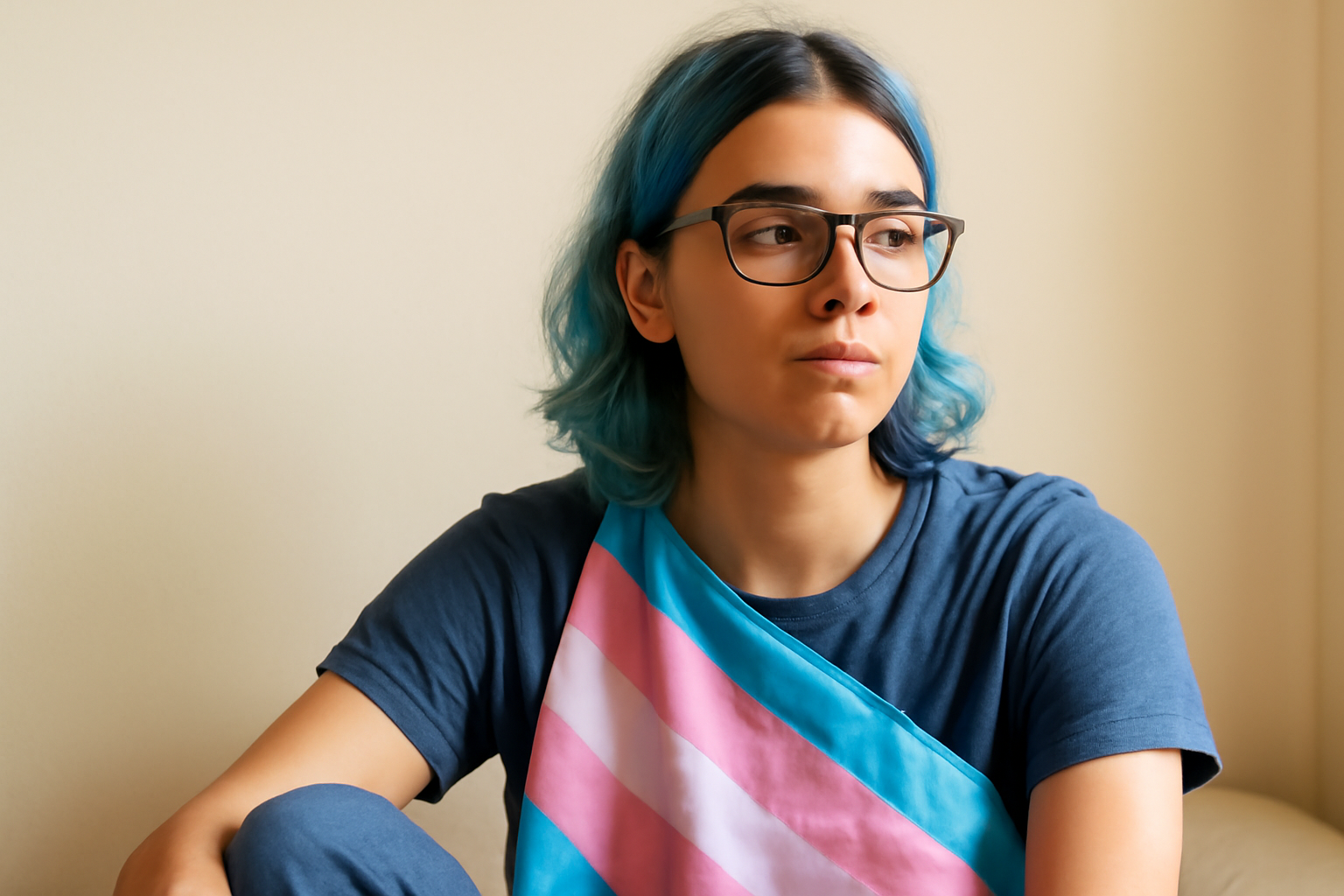
The proposal has its critics, especially among trans advocates and certain medical professionals. Critics say this guidance risks pathologizing transgender identities, which could mean delays in essential care access. They highlight that one can be both trans and autistic, and warn against framing autism as something that leads one toward a "false" transgender identity. Katelyn Burns, a transgender journalist, called out these assumptions, suggesting it reflects an effort by others simply trying control trans lives. "It seems like just another excuse," she said. There's been pushback too from established organizations and respected publications. The British Medical Association didn't hold back on its criticism, and places like Yale have pointed at inconsistencies. A group from Germany, Switzerland, and Austria joined in, challenging that psychotherapy could replace gender-affirming care when evidence doesn't back it up.Discussing autism and gender identity
The relationship between autism and gender identity isn't simple and often gets confused. Some research suggests that autism might be more common among transgender individuals, but no consensus exists on why. Trans advocates argue that autistic people might express nonbinary identities because they tend not conform, not because they are more easily influenced. It's all about recognizing autonomy and self-awareness in deciding one's gender identity. As NHS opens these guidlines up public feedback, input from a range stakeholders will be considered. Ultimately, this might shift how support frameworks look within UK healthcare systems. As this discussion unfolds, what's really vital are voices and experiences from those who are truly affected—transgender and nonbinary folks. It's essential that healthcare paths are built on strong evidence and promote care that affirms identities. To keep pace with developments in LGBTQ+ political news and insights, consider subscribing newsletters covering this evolving subject.Related Posts
Supreme Court to Address State Bans on Trans Women in Female Sports
The upcoming U.S. Supreme Court term promises to be a pivotal moment for transgender rights, as the nation's highest court has agreed to evaluate whether states have the authority to prohibit transgender women from participating in female sports competitions. This case, scheduled to be argued in the next term beginning October, is expected to have a significant impact on the future of sports inclu [...]
Megan Rapinoe and Sue Bird Announce Amicable Separation After Ten Years Together
In a heartfelt announcement that resonated deeply within the sports and LGBTQ+ communities, soccer star Megan Rapinoe and basketball legend Sue Bird have revealed their decision to part ways after nearly a decade together. The couple, who have been icons both on and off the field, shared the news with their fans through a joint statement on social media, expressing that the choice was made with mu [...]
Groundbreaking Ruling Ends Sodomy Ban for Police and Military in the Dominican Republic
The Constitutional Court of the Dominican Republic recently delivered a landmark decision on November 18th, ruling that the nation’s police and armed forces are not permitted to criminalize consensual same-sex relations among their personnel. This pivotal ruling is a significant stride towards equality and the protection of LGBTQ+ rights within these institutions. A Resounding Victory for Equal [...]