
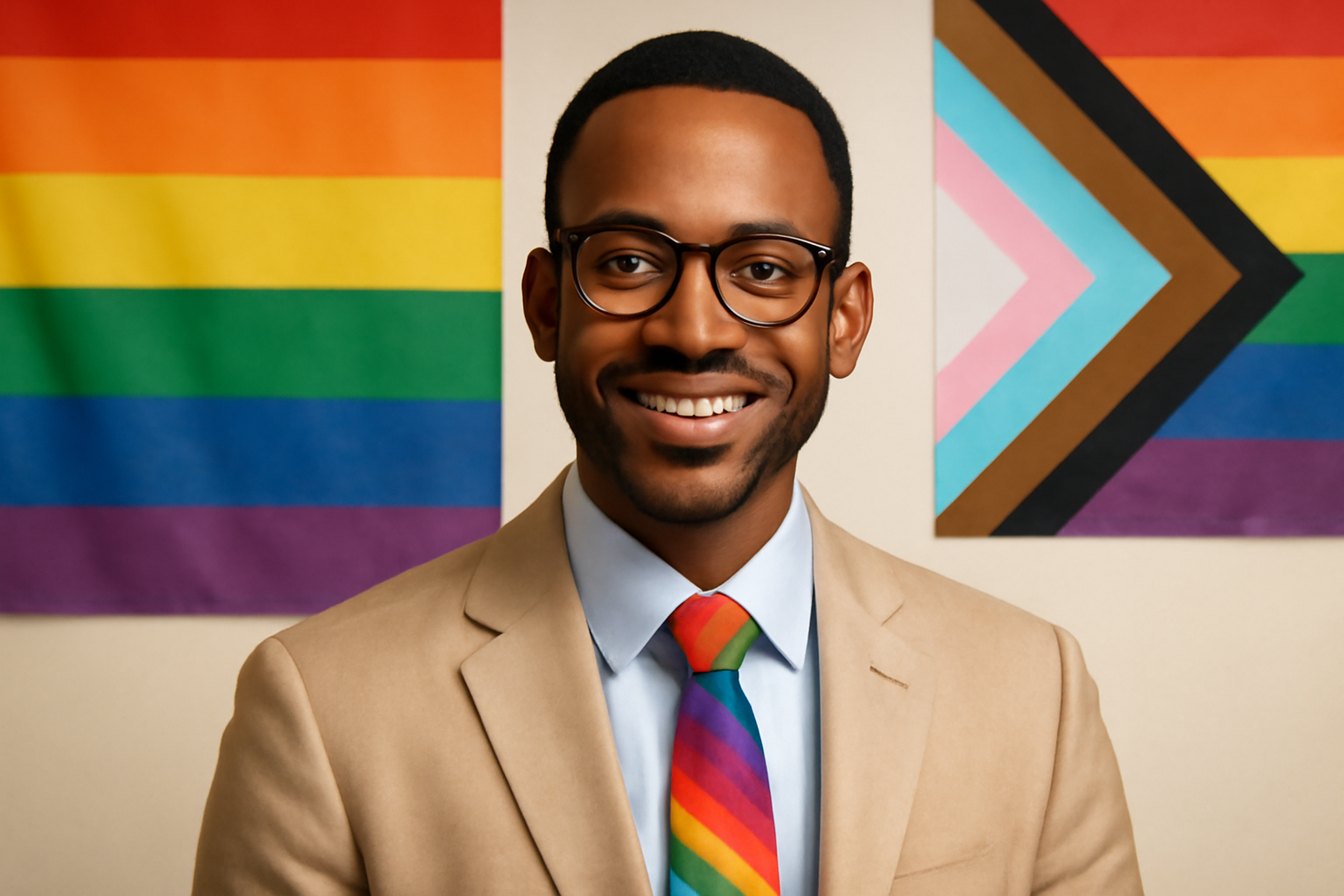
In today's diverse and ever-evolving world, intersectional leadership has become an essential topic of discussion in many circles, particularly within the LGBTQ+ community. Dr. Taylor Reed, a renowned advocate and leader, offers a compelling perspective on how embracing our multifaceted identities can lead to more inclusive and effective leadership.
The Power of Intersectionality
Intersectionality is a concept that acknowledges that individuals are shaped by multiple identities and social categories, such as race, gender, sexual orientation, and class, which intersect and influence their experiences. For leaders, understanding and leveraging these intersections is crucial in creating environments where all voices are heard and valued.
Dr. Reed emphasizes that "embracing intersectionality allows leaders to recognize the unique challenges and strengths that come from these overlapping identities." This approach not only fosters inclusion but also enriches the collective experience of the community or organization.
Dr. Reed's Journey
Dr. Reed's journey into intersectional leadership began with their own experiences as a queer person of color. Growing up, they often felt the weight of navigating spaces that did not fully embrace their identity. This personal journey has informed their professional path and commitment to advocating for inclusive leadership.
"It's not always easy to stand in the fullness of who you are," Dr. Reed shares. "But it's necessary to lead with authenticity and integrity." By staying true to their identity, Dr. Reed has been able to connect with others on a deeper level, fostering trust and mutual respect.
Challenges in Intersectional Leadership
Despite its benefits, intersectional leadership comes with its own set of challenges. Dr. Reed notes that leaders often face resistance when trying to implement change in traditionally structured settings. "There is a tendency to simplify identity, to fit it into neat boxes," they explain. "Intersectional leadership requires us to embrace complexity and uncertainty."
Moreover, intersectional leaders must navigate their own biases and continuously educate themselves about the diverse experiences within their communities. This ongoing learning process is crucial in dismantling systemic barriers and fostering an inclusive environment.
Creating Inclusive Spaces
To create truly inclusive spaces, Dr. Reed suggests that leaders start by listening and learning from those they seek to serve. "You can't lead effectively if you're not willing to sit down, listen, and learn from others," they assert. By engaging in meaningful dialogue, leaders can understand the unique needs and challenges faced by members of their community.
Dr. Reed also highlights the importance of representation. "Seeing someone who looks like you or shares similar experiences in a leadership position can be incredibly empowering," they say. This representation not only inspires individuals but also challenges existing power structures, paving the way for broader systemic change.
Looking Ahead
As society continues to evolve, the need for intersectional leadership will only grow. Dr. Reed is optimistic about the future, believing that more leaders will recognize the value of embracing diverse identities and experiences. "The more we lean into intersectionality, the stronger and more resilient our communities become," they conclude.
Dr. Reed's insights remind us that leadership is not a solitary journey, but a collective effort that thrives on diversity. By embracing the rich tapestry of intersecting identities, leaders can create inclusive spaces where everyone has the opportunity to thrive.
In conclusion, intersectional leadership is not just a buzzword but a vital framework for creating equitable and inclusive communities. Dr. Reed's experiences and insights offer valuable guidance for leaders seeking to make a meaningful impact in today's world.
Related Posts
Supreme Court to Address State Bans on Trans Women in Female Sports
The upcoming U.S. Supreme Court term promises to be a pivotal moment for transgender rights, as the nation's highest court has agreed to evaluate whether states have the authority to prohibit transgender women from participating in female sports competitions. This case, scheduled to be argued in the next term beginning October, is expected to have a significant impact on the future of sports inclu [...]
Megan Rapinoe and Sue Bird Announce Amicable Separation After Ten Years Together
In a heartfelt announcement that resonated deeply within the sports and LGBTQ+ communities, soccer star Megan Rapinoe and basketball legend Sue Bird have revealed their decision to part ways after nearly a decade together. The couple, who have been icons both on and off the field, shared the news with their fans through a joint statement on social media, expressing that the choice was made with mu [...]
Groundbreaking Ruling Ends Sodomy Ban for Police and Military in the Dominican Republic
The Constitutional Court of the Dominican Republic recently delivered a landmark decision on November 18th, ruling that the nation’s police and armed forces are not permitted to criminalize consensual same-sex relations among their personnel. This pivotal ruling is a significant stride towards equality and the protection of LGBTQ+ rights within these institutions. A Resounding Victory for Equal [...]