
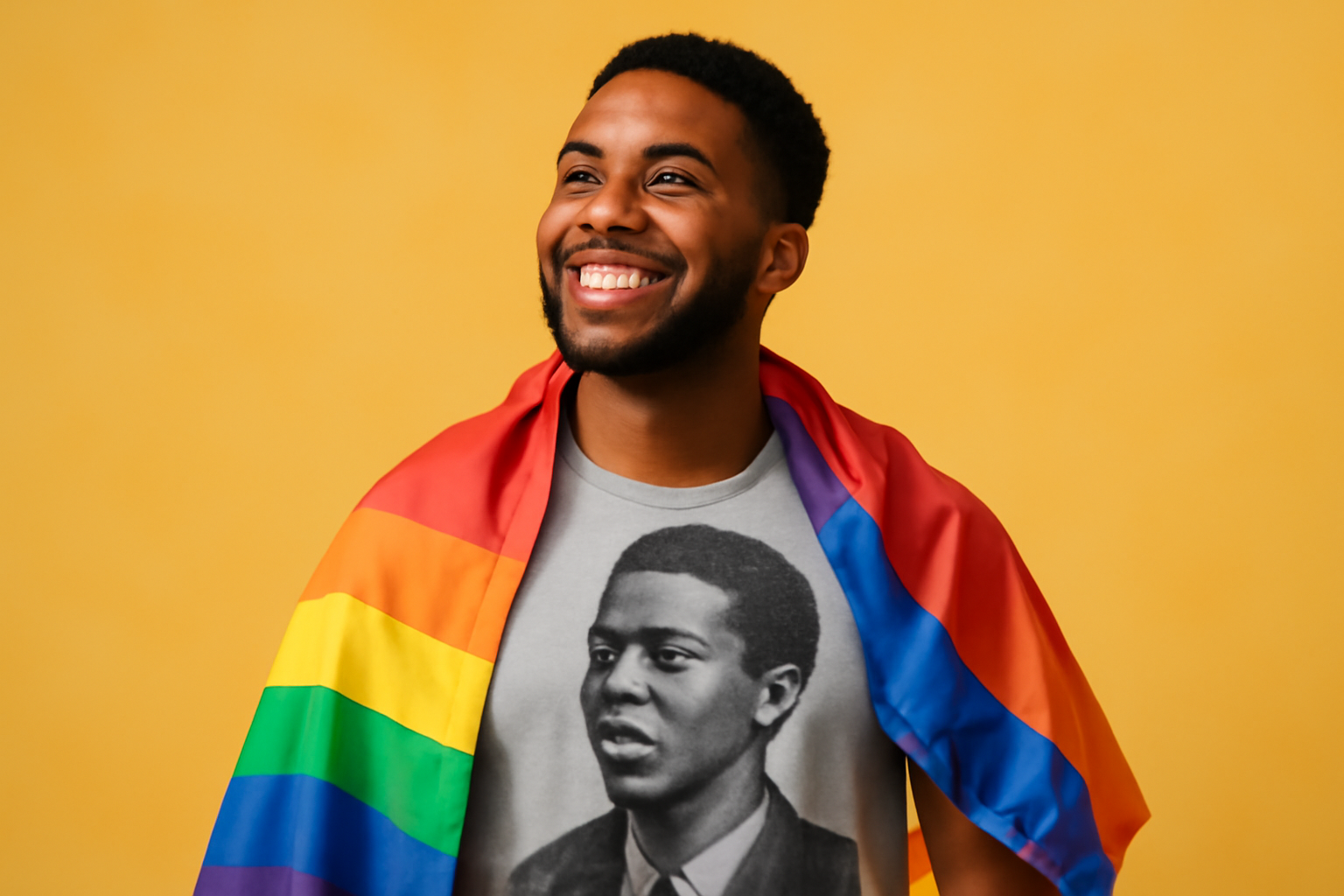
The Power of History in Shaping the Future
History has long been a source of inspiration and strength for marginalized communities. For the LGBTQ+ community, especially those who identify as Black, understanding and embracing one's heritage can be a transformative experience. It offers a sense of identity, pride, and resilience, empowering individuals to face contemporary challenges with renewed vigor.
As we delve into Black history, we uncover stories of courage, determination, and change. These narratives not only highlight the struggles and triumphs of the past but also serve as a beacon of hope for the future. They remind us that change is not only possible, but inevitable, provided we stand united in our pursuit of equality and justice.
Learning from the Past
The lessons from Black history are profound. Figures like Harriet Tubman, Martin Luther King Jr., and Bayard Rustin have left indelible marks on the fabric of society. Their lives and legacies teach us about the power of advocacy, the importance of community, and the necessity of perseverance in the face of adversity.
Harriet Tubman's incredible journey from slavery to freedom and her relentless efforts in the Underground Railroad illustrate the power of tenacity and courage. Her story is a testament to the strength of the human spirit and the impact one individual can have on the course of history.
Similarly, the civil rights movement, spearheaded by leaders like Martin Luther King Jr., showcases the collective power of voices united in the demand for justice. The movement's successes were built on the foundational belief that everyone deserves to be treated with dignity and respect, a principle that resonates deeply within the LGBTQ+ community today.
Bayard Rustin: A Bridge Between Movements
Bayard Rustin, though less well-known, played a pivotal role in the civil rights movement. As an openly gay Black man, Rustin was a unique bridge between the civil rights and LGBTQ+ rights movements. His work organizing the 1963 March on Washington for Jobs and Freedom, where King delivered his iconic "I Have a Dream" speech, was instrumental in its success.
Rustin's life and activism exemplify the intersectionality of identity and the importance of embracing all aspects of who we are. He understood that the fight for equality must include all marginalized groups, and his legacy is a powerful reminder of the interconnectedness of our struggles.
Creating a Better Tomorrow
Reflecting on these historical figures and movements, we find that change is not merely a distant hope but a tangible possibility. By learning from the past, we can better advocate for the rights and freedoms we seek today. The stories of those who came before us provide a roadmap for navigating the complexities of social justice work.
The strength derived from Black history is not just about celebrating achievements; it's about understanding the sacrifices made and the relentless pursuit of a more equitable world. It teaches us to hold onto hope, even when the path forward seems daunting. Change is coming, but it requires commitment, solidarity, and unwavering faith in our collective power.
For the LGBTQ+ community, especially those who are part of the Black diaspora, embracing this history is a way to find empowerment and belonging. It connects us to a lineage of resilience and reminds us that we are not alone in our fight for love and acceptance.
Conclusion: Unifying for Progress
In conclusion, the power of Black history lies in its ability to inspire change and foster unity. As we continue to fight for the rights of all LGBTQ+ individuals, let us draw upon the rich tapestry of experiences and lessons from the past. Let us remember that while the road to equality is long and winding, we walk it together, strengthened by the stories of those who paved the way.
By celebrating and understanding Black history, we not only honor the past but also build a more inclusive and just future. Change is indeed coming, and together, we can ensure it is a change for the better.
Related Posts
Supreme Court to Address State Bans on Trans Women in Female Sports
The upcoming U.S. Supreme Court term promises to be a pivotal moment for transgender rights, as the nation's highest court has agreed to evaluate whether states have the authority to prohibit transgender women from participating in female sports competitions. This case, scheduled to be argued in the next term beginning October, is expected to have a significant impact on the future of sports inclu [...]
Megan Rapinoe and Sue Bird Announce Amicable Separation After Ten Years Together
In a heartfelt announcement that resonated deeply within the sports and LGBTQ+ communities, soccer star Megan Rapinoe and basketball legend Sue Bird have revealed their decision to part ways after nearly a decade together. The couple, who have been icons both on and off the field, shared the news with their fans through a joint statement on social media, expressing that the choice was made with mu [...]
Groundbreaking Ruling Ends Sodomy Ban for Police and Military in the Dominican Republic
The Constitutional Court of the Dominican Republic recently delivered a landmark decision on November 18th, ruling that the nation’s police and armed forces are not permitted to criminalize consensual same-sex relations among their personnel. This pivotal ruling is a significant stride towards equality and the protection of LGBTQ+ rights within these institutions. A Resounding Victory for Equal [...]