
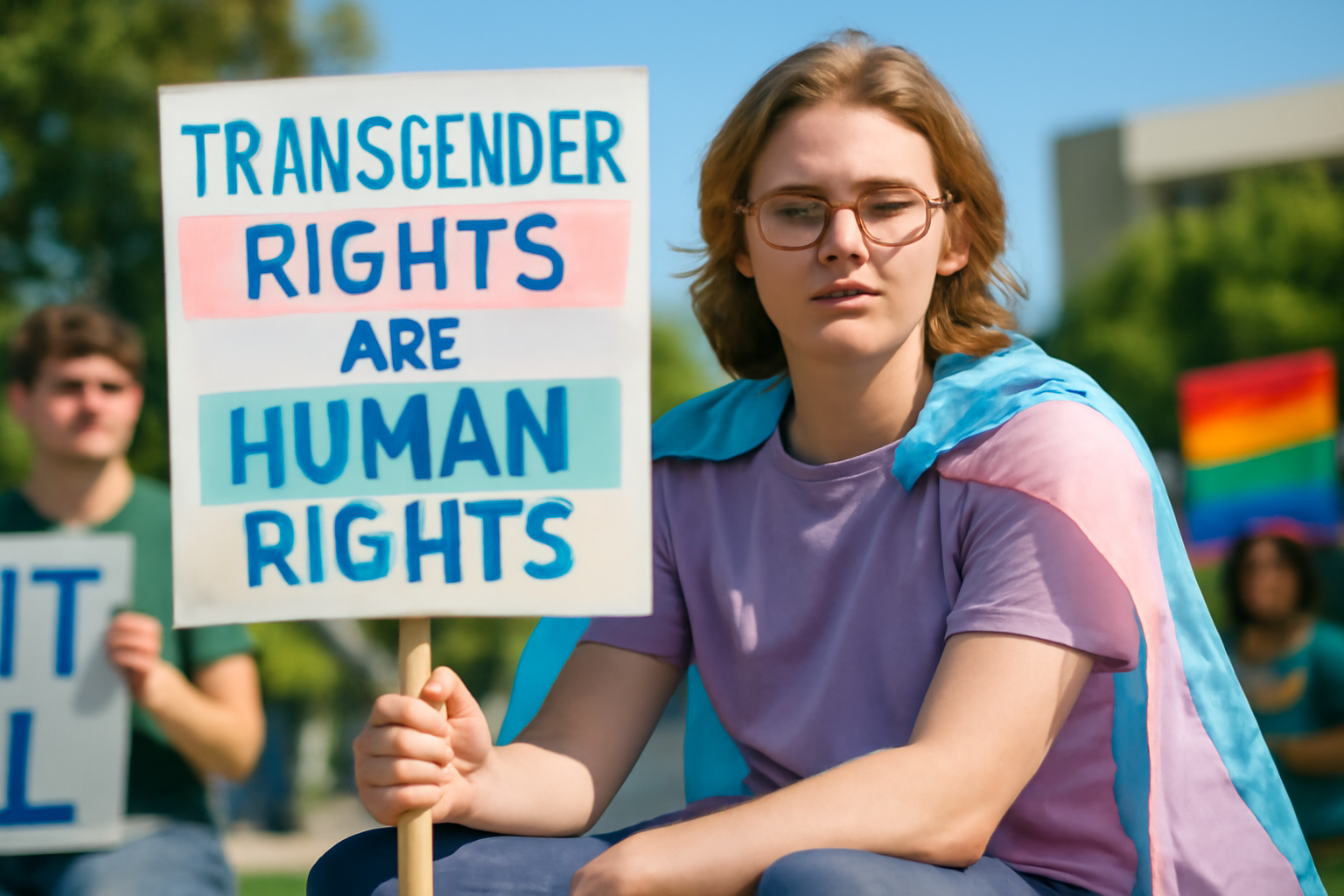
In a recent decision, the Equal Employment Opportunity Commission (EEOC) has announced that it will not actively pursue advocacy for the rights of transgender and nonbinary individuals. This move aligns with a directive from the previous administration, which emphasized the recognition of only two genders: male and female. The decision has sparked considerable backlash from LGBTQ+ advocacy groups and activists, who argue that it undermines the progress made towards equality and non-discrimination for all gender identities.
Background of the Decision
The EEOC's decision is rooted in an executive order from the previous administration that instructed federal agencies to define gender based solely on biological sex at birth. This order effectively negates the recognition of transgender and nonbinary identities, which has significant implications for federal policies and protections. The EEOC, as a federal agency responsible for enforcing laws against workplace discrimination, plays a crucial role in interpreting these policies and ensuring equal treatment for all employees.
Under the guidance of the executive order, the EEOC has stated that its focus will be on sex-based discrimination as traditionally defined, rather than expanding its advocacy to include a broader spectrum of gender identities. This interpretation has been met with disappointment and concern from various communities.
Impact on Transgender and Nonbinary Individuals
For transgender and nonbinary individuals, the EEOC's decision is a step backward in the fight for equality and recognition in the workplace. Many fear that without explicit support from the EEOC, instances of discrimination based on gender identity may go unaddressed. Historically, transgender and nonbinary individuals have faced significant barriers in employment, including bias during hiring processes, harassment in the workplace, and unfair dismissal based on their identity.
Advocates argue that the EEOC's stance disregards the realities faced by these communities and fails to uphold the agency's mandate to protect all individuals from discrimination. By not recognizing gender identity as a protected category, the EEOC is effectively leaving a vulnerable population without crucial protections.
Response from Advocacy Groups
LGBTQ+ advocacy groups have been vocal in their opposition to the EEOC's decision. Many organizations have issued statements condemning the move as regressive and harmful to the progress that has been achieved in recent years. These groups emphasize the importance of inclusive policies that recognize and protect all gender identities within the workplace.
Several legal challenges are expected to arise as advocacy groups seek to overturn the executive order and push for broader interpretations of gender identity protections. In the meantime, these organizations are calling for affected individuals to document instances of discrimination and seek support through local and national advocacy networks.
The Path Forward
Despite the current setback, advocates remain hopeful that the tide will turn in favor of more inclusive policies. The growing visibility of transgender and nonbinary individuals in media and society, coupled with increasing public support, suggests that change is possible. Moreover, several states continue to implement their own protections for gender identity, offering hope for broader federal recognition in the future.
The situation underscores the importance of ongoing advocacy and the need for allies to speak out against discrimination. By continuing to push for inclusive policies and challenging regressive actions, the LGBTQ+ community can work towards a future where all individuals are recognized and protected, regardless of their gender identity.
In conclusion, the EEOC's decision not to actively advocate for transgender and nonbinary rights is a significant point of contention in the ongoing fight for equality. While it presents challenges, it also galvanizes the community to continue the struggle for recognition and equal protection under the law. The path forward requires resilience, advocacy, and a commitment to uphold the rights of all individuals, regardless of their gender identity.
Related Posts
Supreme Court to Address State Bans on Trans Women in Female Sports
The upcoming U.S. Supreme Court term promises to be a pivotal moment for transgender rights, as the nation's highest court has agreed to evaluate whether states have the authority to prohibit transgender women from participating in female sports competitions. This case, scheduled to be argued in the next term beginning October, is expected to have a significant impact on the future of sports inclu [...]
Megan Rapinoe and Sue Bird Announce Amicable Separation After Ten Years Together
In a heartfelt announcement that resonated deeply within the sports and LGBTQ+ communities, soccer star Megan Rapinoe and basketball legend Sue Bird have revealed their decision to part ways after nearly a decade together. The couple, who have been icons both on and off the field, shared the news with their fans through a joint statement on social media, expressing that the choice was made with mu [...]
Groundbreaking Ruling Ends Sodomy Ban for Police and Military in the Dominican Republic
The Constitutional Court of the Dominican Republic recently delivered a landmark decision on November 18th, ruling that the nation’s police and armed forces are not permitted to criminalize consensual same-sex relations among their personnel. This pivotal ruling is a significant stride towards equality and the protection of LGBTQ+ rights within these institutions. A Resounding Victory for Equal [...]