
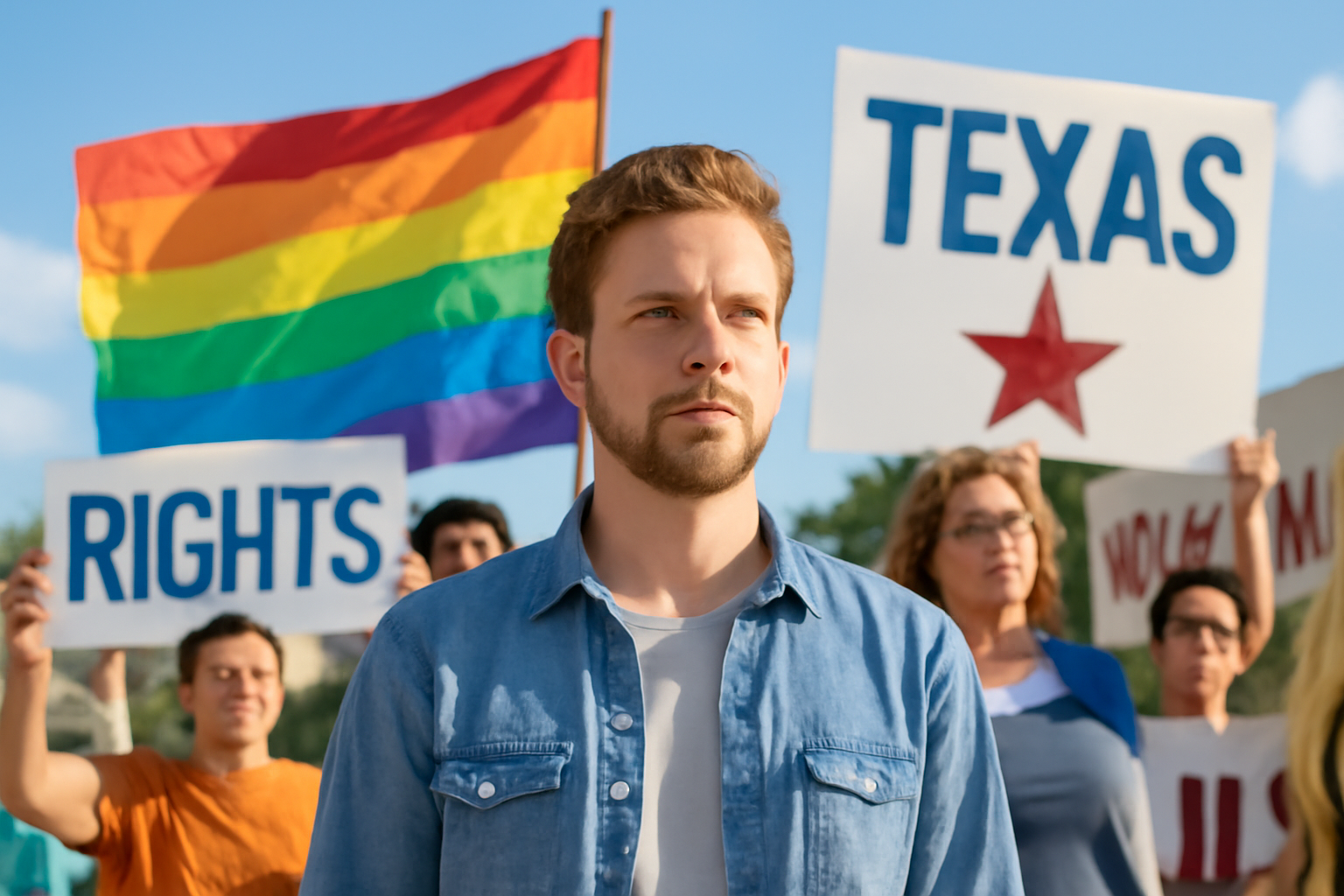
Texas, once a shining example both economically and socially, now seems caught in a political time warp reminiscent not just in spirit but in action, echoing Mississippi's turbulent 1960s. Back then, Mississippi was infamous not only in its fierce stance against civil rights but also in its refusal. Now, Texas's stance, particularly towards LGBTQ+ communities, seems eerily similar.
Echoes from history: Texas and its legislative hostility
In Mississippi's 1960s heyday, resistance came packed with vile rhetoric and fear tactics, branding marginalized groups as dangerous. U.S. District Court Judge Carlton Reeves, in a landmark 2014 ruling against Mississippi's same-sex marriage ban, highlighted how derogatory terms like "racial perverts" were wielded by lawmakers intent on keeping segregation alive. This era saw marginalized groups collectively demonized as threats.
Fast forward, and Texas appears poised on a similar path. Initiatives that introduce religious symbols in schools while banning certain books and LGBTQ+ discussions amplify a legislative atmosphere that many see as resistant and exclusionist. Proposals targeting transgender youths and efforts aimed at banning LGBTQ+ clubs in schools only add weight, lending credibility and insight towards this troubling trajectory.
Political playbooks and LGBTQ+ discrimination
Despite its vibrant cities like Houston, Austin, and Dallas/Fort Worth, Texas finds itself mired in political maneuverings akin not only in scope but in strategy. Past resistance movements never die but are reborn, with gerrymandering as a central theme. Mississippi's historical targeting or narratives around "Negro perverts" aimed at stopping integration mirrors Texas's current legislative spotlight on LGBTQ+ communities, ostensibly under a banner waving traditional values.
The roots feeding Texas's political mood against LGBTQ+ rights can be traced back through history. Former Congressman John Dowdy exemplified this, signing on with vigor or drive towards segregation efforts. The 1956 "Southern Manifesto," standing against Brown v. Board, saw him championing "Massive Resistance" against integration. When these efforts waned, his focus shifted toward LGBTQ+ communities, holding hearings targeting activists like Dr. Franklin E. Kameny. Today, leaders such as Lt. Governor Dan Patrick carry that legacy forward, with agendas aimed at restricting LGBTQ+ rights, same-sex marriage included.
Present legislative skirmishes in Texas
The most recent Texas legislative session served as a spectacle, with over 150 anti-LGBTQ+ bills introduced, largely championed by figures like Gov. Greg Abbott and Lt. Gov. Patrick. Proposals appear tailored at touching every facet not just at surface value but in life, from silencing discussions around sexual orientation in classrooms, perhaps intending deeper, even restricting healthcare access concerning transgender individuals. The sheer volume and intensity recall nothing short than a "five-alarm fire" threatening equality and civil rights.
Adding fuel, universities like Texas A&M have pursued bans on campus drag shows, citing cultural sensitivity. This move aligns with broader attempts at controlling gender and sexual expression on campuses. Moreover, Congressional districting maps in Texas, influenced in part by national political agendas, raise concerns about conservative power cementing even further.
Catching a glimpse: Advocacy and resilience
Despite mounting challenges, advocacy and resistance burn brightly. The legacy left by activists like Frank Kameny, who boldly declared "Gay, quite simply, and in all its splendor, would always be good," continues inspiring new generations fighting tirelessly not just out there but at home, holding a torch towards LGBTQ+ rights. With organizations and individuals across Texas and nationwide banding together, there remains a force challenging discriminatory laws, rallying support, and being tenacious in their fight.
While Texas endures criticism over its political climate, hope remains buoyed by perseverance and unity in striving or pushing towards equality. Those ongoing efforts challenging discrimination serve as a testament or a marker not just towards resilience but towards a more inclusive future.
LGBTQ+ historian and author Charles Francis eloquent reminder that pasts indeed bleed or impact upon present day clarifies what parallels there are between present-day Texas and historical Mississippi. Clearly, battles over civil rights and LGBTQ+ equality endure. The fight, while far from over, signals hope embedded within advocacy and unyielding determination that change remains tangible or possible.
Related Posts
Supreme Court to Address State Bans on Trans Women in Female Sports
The upcoming U.S. Supreme Court term promises to be a pivotal moment for transgender rights, as the nation's highest court has agreed to evaluate whether states have the authority to prohibit transgender women from participating in female sports competitions. This case, scheduled to be argued in the next term beginning October, is expected to have a significant impact on the future of sports inclu [...]
Megan Rapinoe and Sue Bird Announce Amicable Separation After Ten Years Together
In a heartfelt announcement that resonated deeply within the sports and LGBTQ+ communities, soccer star Megan Rapinoe and basketball legend Sue Bird have revealed their decision to part ways after nearly a decade together. The couple, who have been icons both on and off the field, shared the news with their fans through a joint statement on social media, expressing that the choice was made with mu [...]
Groundbreaking Ruling Ends Sodomy Ban for Police and Military in the Dominican Republic
The Constitutional Court of the Dominican Republic recently delivered a landmark decision on November 18th, ruling that the nation’s police and armed forces are not permitted to criminalize consensual same-sex relations among their personnel. This pivotal ruling is a significant stride towards equality and the protection of LGBTQ+ rights within these institutions. A Resounding Victory for Equal [...]