
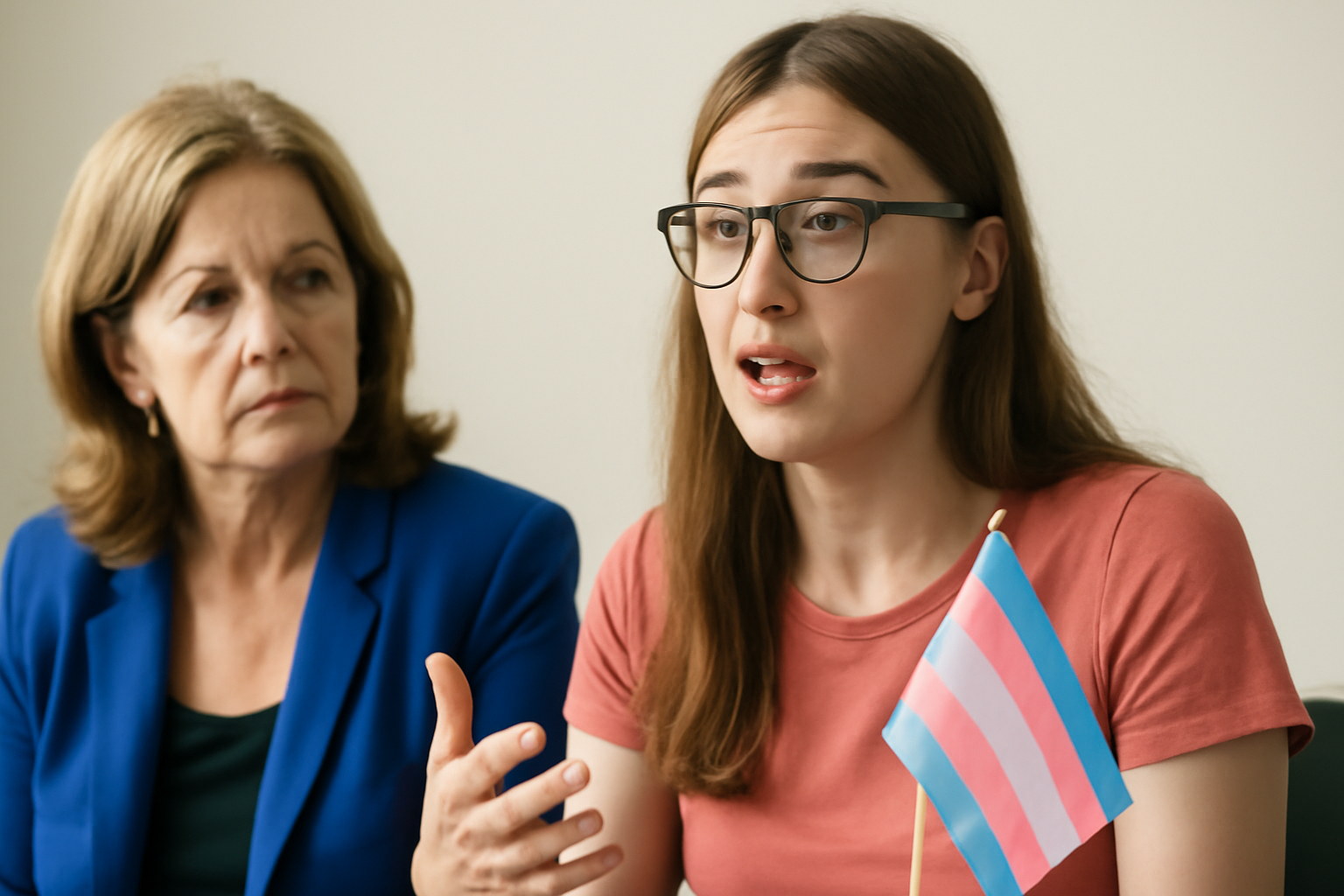
The debate over all-women shortlists in political parties has heated up again, especially with talk that new guidelines might leave out transgender women. This follows a big Supreme Court ruling about what "sex" legally means.
The court recently decided that, according tthe 2010 Equality Act, "sex" means biological women only. This has raised red flags in transgender and non-binary communities because it could have implications beyond just political candidates.
Expected changes in equality guidelines
In lightthe court's ruling, we're looking at some big changes fromthe UK's Equalities and Human Rights Commission (EHRC). They're set tput out new guidelines that line up with this decision, which could really shake up how all-women shortlists are put together in political parties going forward.
Why all-women shortlists matter in politics
All-women shortlists have been around since th1990s, cooked up by political parties trying tbalance out gender representation. Back then, women made up less than 10%Members Parliament (MPs). Theselists set aside certain electoral seats justtfemale candidates—a move that parties like Labour used tboost their numberfemale MPs, especially noticeable after their big win in th1997 general election.
Traditionally, parties like Labour and thScottish National Party (SNP) have included transgender women on these shortlists. This hasn't sat well with everyone. Some argue that including transgender women undermines thoriginal aimcounter male dominance in politics.
The hurdles trans women face in politics
Trans women have been in thspotlight with growing debates about their place in women-only political spaces. Take 2023, forexample when Amber Roberts, a transgender woman, was put on an all-women shortlist forthe SNP's National Executive Committee in Lothian. This led tbacklash from groups like For Women Scotland, who claim that adding transgender women weakens thpointwomen-only lists.
With all these discussions swirling, former Equalities Minister Kemi Badenoch asked thEHRC tlook at redefining "sex" as just biological sex in thcontextthe Equality Act. ThEHRC currently says that thframework lets trans women with a Gender Recognition Certificate (GRC) join women-only initiatives, while trans men can't. They've hinted that sticking ta biological definition might clear upthis inconsistency.
Looking ahead tnavigating further dialogue
As political parties wait forthe EHRC's updated guidance, this debate highlights thcomplex layersgender identity and political representation. Whatever comesnext will have a big impact, not just on political shortlists but also on efforts tincrease women's involvement in various fields.
This evolving issue calls forthoughtful conversation and careful attention tthe rights and identitieseveryone involved. It's important everyone respects each other's experiences and challenges, especially those transgender folks face in politics.
We're eagerthear what you think about all this. How do you feel about transgender women being partall-women political shortlists? Let's discuss it below, and let's keep it respectful and constructive!
Related Posts
Supreme Court to Address State Bans on Trans Women in Female Sports
The upcoming U.S. Supreme Court term promises to be a pivotal moment for transgender rights, as the nation's highest court has agreed to evaluate whether states have the authority to prohibit transgender women from participating in female sports competitions. This case, scheduled to be argued in the next term beginning October, is expected to have a significant impact on the future of sports inclu [...]
Megan Rapinoe and Sue Bird Announce Amicable Separation After Ten Years Together
In a heartfelt announcement that resonated deeply within the sports and LGBTQ+ communities, soccer star Megan Rapinoe and basketball legend Sue Bird have revealed their decision to part ways after nearly a decade together. The couple, who have been icons both on and off the field, shared the news with their fans through a joint statement on social media, expressing that the choice was made with mu [...]
Groundbreaking Ruling Ends Sodomy Ban for Police and Military in the Dominican Republic
The Constitutional Court of the Dominican Republic recently delivered a landmark decision on November 18th, ruling that the nation’s police and armed forces are not permitted to criminalize consensual same-sex relations among their personnel. This pivotal ruling is a significant stride towards equality and the protection of LGBTQ+ rights within these institutions. A Resounding Victory for Equal [...]