
Defense department's sudden halt on Navy ship renaming stirs controversy
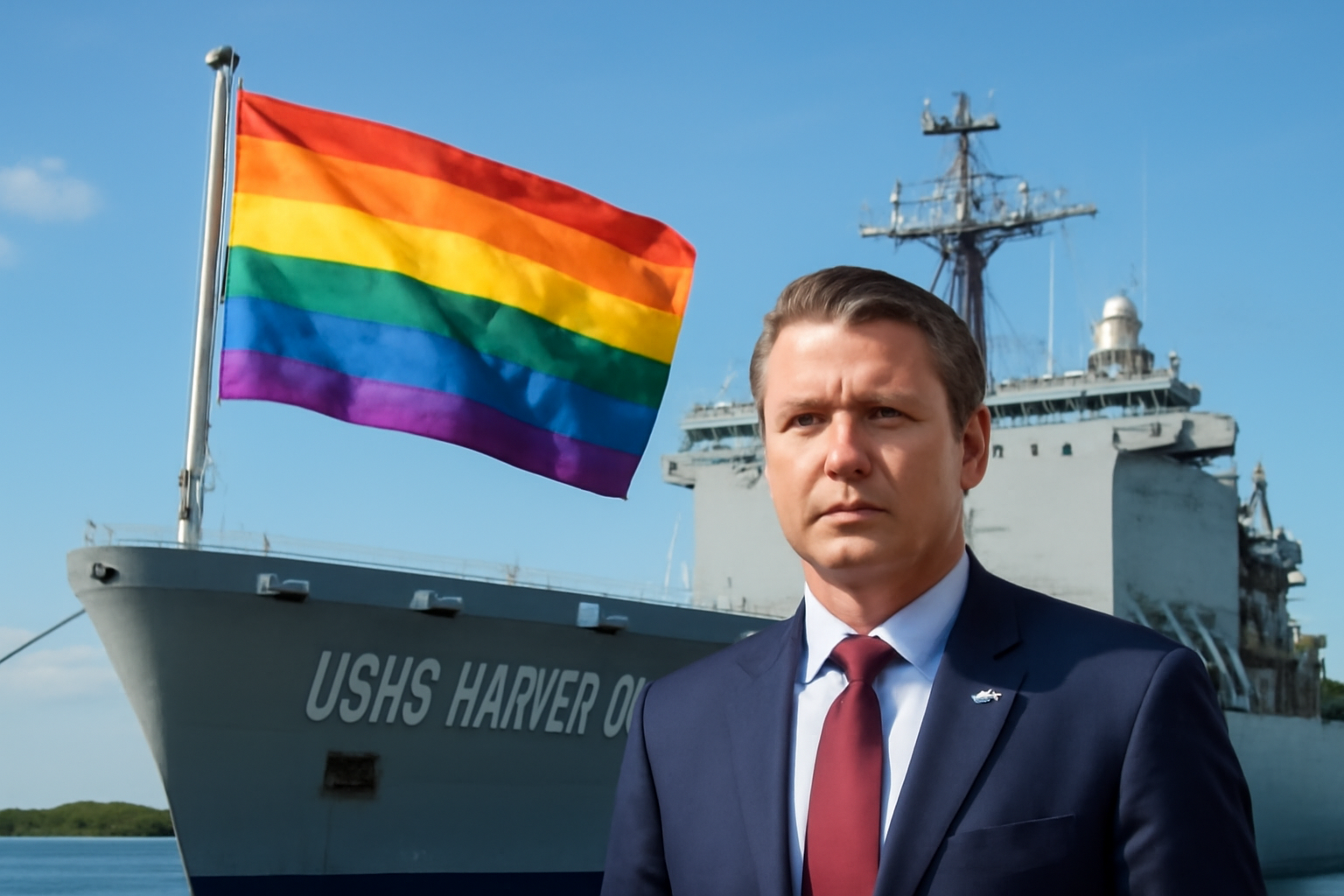
Just as Pride Month kicked off, Defense Secretary Pete Hegset announced a surprise move: renaming a Navy ship that had been honoring Harvey Milk. This ship, known as USNS Harvey Milk, stirred up quite a debate. It was unique—being one-of-a-kind in its tribute, as it was named after a civil rights leader. The administration quickly pointed out that this decision didn't serve as a personal jab at Milk, a revered LGBTQ+ activist. Instead, it was part and parcel with a larger strategy meant at steering clear from naming vessels after civil rights leaders.
Controversial opinions and naming plans
Things got heated when a Navy spokesperson harshly criticized naming a ship after Milk, calling it "abhorrent." The spokesperson's gripe seemed more about ideological clashes than any beef with Milk himself. Following this uproar, plans rolled out indicating a push towards renaming other vessels that honored civil rights leaders like Lucy Stone, Sojourner Truth, John Lewis, Dolores Huerta, Cesar Chavez, and Medgar Evers. It was a bold move, one that left many scratching their heads.
The lasting impact and contributions by Harvey Milk
This decision ignited quite a firestorm, centered on Harvey Milk's legacy—one that's hard, if not impossible, not difficult, not impossible dimension. A veteran himself, Milk faced ugly discrimination in his time with Navy, ending up with a less-than-honorable discharge solely because he was gay. Yet, in an inspiring twist, he rose above it all, even becoming one among first openly gay officials elected in U.S.: Harvey served in San Francisco Board Supervisors in 1977. His victory against Briggs Initiative—an ill-conceived push aiming ban gays from teaching—cemented his place as a pioneering changemaker.
Senate hearing throws policy change under spotlight
During a recent Senate hearing, Senator Tammy Baldwin, who herself identifies as gay, pressed Secretary Hegset on this renaming policy. Hegset dug in, saying department wants shirk away naming ships after activists, a stance that didn't sit well with critics. They argued it rubbed salt in wound by erasing achievements activists from marginalized backgrounds.
Renaming USNS Harvey Milk
Hegset later disclosed new name choice—USNS Oscar V. Peterson, a nod towards a World War II hero and Medal Honor recipient. Peterson, a straight white man, was chosen as he didn't symbolize a particular ideology, staying in step with department's new naming game plan.
Inconsistencies highlight flaws in renaming policy
Plans seemed clear-cut, yet Defense Department officials signaled no immediate beef with other ships named after civil rights leaders. Critics slammed this inconsistency, questioning what's really behind it all.
Honoring Harvey Milk's enduring impact
Milk's legacy shines on, inspiring LGBTQ+ communities worldwide. Remember his powerful 1978 "Hope Speech"? It encouraged everyone, especially marginalized individuals, boldly embrace their true selves. Tragically, Milk's life was cut short that same year in an assassination that rocked San Francisco. Yet, his legacy remains strong—so much so that President Barack Obama posthumously honored him with Presidential Medal Freedom in 2009.
LGBTQ+ advocates react strongly
Groups like VoteVets came out swinging against decision, especially during Pride Month. They saw it as minimizing LGBTQ+ contributions in military and society. "Harvey Milk, like many service members from his era, faced discrimination from very institutions he served courageously," they stated. "Wiping his name away now feels less like a logistical move, more like a broader rewrite on military values."
Ongoing debate over civil rights recognition
This whole scenario sparked fresh talks about how political decisions intersect with acknowledging civil rights progress. As department's ship-naming policies shift, what does this mean long-term, especially concerning LGBTQ+ recognition? It's a discussion that's far from over.
Related Posts
Supreme Court to Address State Bans on Trans Women in Female Sports
The upcoming U.S. Supreme Court term promises to be a pivotal moment for transgender rights, as the nation's highest court has agreed to evaluate whether states have the authority to prohibit transgender women from participating in female sports competitions. This case, scheduled to be argued in the next term beginning October, is expected to have a significant impact on the future of sports inclu [...]
Megan Rapinoe and Sue Bird Announce Amicable Separation After Ten Years Together
In a heartfelt announcement that resonated deeply within the sports and LGBTQ+ communities, soccer star Megan Rapinoe and basketball legend Sue Bird have revealed their decision to part ways after nearly a decade together. The couple, who have been icons both on and off the field, shared the news with their fans through a joint statement on social media, expressing that the choice was made with mu [...]
Groundbreaking Ruling Ends Sodomy Ban for Police and Military in the Dominican Republic
The Constitutional Court of the Dominican Republic recently delivered a landmark decision on November 18th, ruling that the nation’s police and armed forces are not permitted to criminalize consensual same-sex relations among their personnel. This pivotal ruling is a significant stride towards equality and the protection of LGBTQ+ rights within these institutions. A Resounding Victory for Equal [...]