
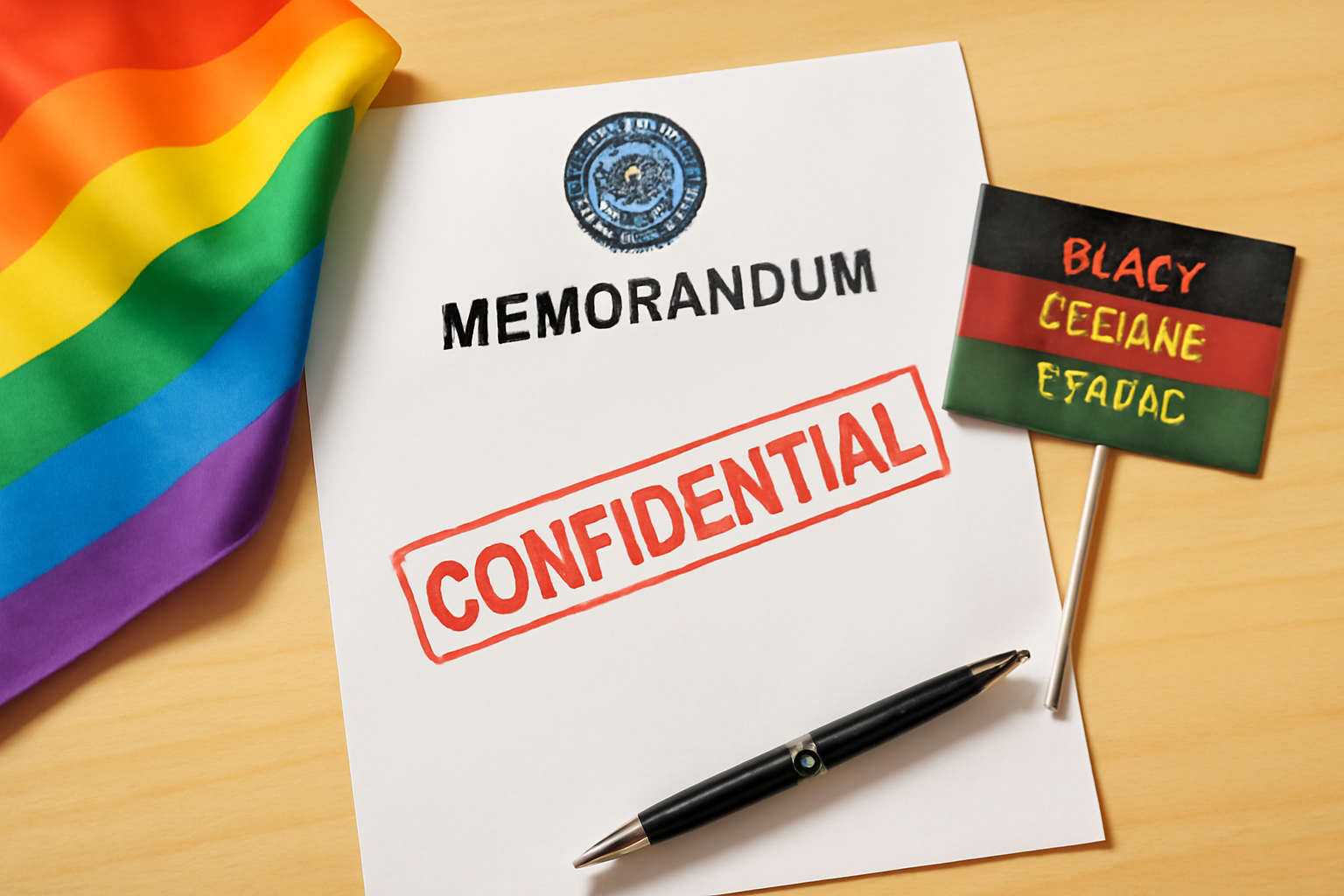
Leaked Memorandum Reveals Changes in Commemorative Recognitions
In a surprising turn of events, a leaked memorandum has revealed that a major defense agency is changing its stance on recognizing certain commemorative months, including Pride Month and Black History Month. This policy shift has sparked significant concern and debate among various communities and advocacy groups.
The memo, which surfaced recently, indicates that the agency will no longer officially acknowledge certain cultural and historical observances that have been traditionally celebrated. This change appears to be part of a broader overhaul of internal policies regarding diversity and inclusion initiatives.
Background and Previous Policies
Traditionally, the agency has recognized a range of commemorative months, aligning with national observances to honor and celebrate the contributions of diverse groups. Pride Month, celebrated in June, has been recognized as a time to acknowledge and support the LGBTQ+ community. Black History Month, observed in February, highlights the achievements and history of African Americans and their crucial role in shaping the nation.
These months, along with others such as Hispanic Heritage Month and Women’s History Month, have been marked by various educational and celebratory events within the agency, aiming to promote a culture of understanding and respect.
The Implications of the Policy Change
The decision to cease official recognition of these months has raised questions about the agency’s commitment to diversity and inclusion. Critics argue that such a move could send a message that the agency is stepping back from its efforts to foster an inclusive environment.
Organizations and leaders within the LGBTQ+ and Black communities have voiced their concerns, emphasizing the importance of these observances in acknowledging the struggles and celebrating the progress made by these communities. They argue that such recognitions are vital for raising awareness and educating broader audiences about issues of equality and justice.
Proponents of the policy change, however, suggest that the decision is aimed at streamlining the agency’s focus and resources towards its core missions. They argue that by removing official recognition, the agency might intend to adopt a more inclusive, year-round approach rather than limiting diversity celebrations to specific times of the year.
Community Response and Advocacy
The response from the community has been swift, with many advocacy groups mobilizing to express their disappointment and call for the reinstatement of these recognitions. Social media has seen an outpouring of support for maintaining traditional observances, with hashtags dedicated to Pride and Black History Month trending as supporters share personal stories and reasons why these months matter.
Petitions have been launched, urging the agency to reconsider its decision and highlighting the positive impacts that these months have had on both individual morale and institutional culture. Advocates argue that by celebrating diverse histories and achievements, organizations demonstrate a commitment to all employees and community members.
Looking Ahead
As the agency faces public scrutiny, it remains to be seen whether there will be any reconsideration of the policy change. The situation underscores the ongoing tension between efforts to streamline operations and the need to maintain inclusive and equitable environments within large institutions.
The broader conversation around this issue reflects a national dialogue about how organizations should approach diversity and inclusion, and whether top-down mandates or organic cultural shifts are more effective in creating lasting change.
For now, the leaked memo has succeeded in sparking discussion and bringing attention to the importance of recognizing and celebrating diversity in all its forms. As the debate continues, advocates remain hopeful that their voices will lead to positive outcomes for all communities involved.
The defense agency's policy change serves as a reminder of the importance of vigilance and advocacy in the fight for equality and representation. Whether through official recognition or grassroots initiatives, the work to celebrate and empower marginalized communities continues.
Related Posts
Supreme Court to Address State Bans on Trans Women in Female Sports
The upcoming U.S. Supreme Court term promises to be a pivotal moment for transgender rights, as the nation's highest court has agreed to evaluate whether states have the authority to prohibit transgender women from participating in female sports competitions. This case, scheduled to be argued in the next term beginning October, is expected to have a significant impact on the future of sports inclu [...]
Megan Rapinoe and Sue Bird Announce Amicable Separation After Ten Years Together
In a heartfelt announcement that resonated deeply within the sports and LGBTQ+ communities, soccer star Megan Rapinoe and basketball legend Sue Bird have revealed their decision to part ways after nearly a decade together. The couple, who have been icons both on and off the field, shared the news with their fans through a joint statement on social media, expressing that the choice was made with mu [...]
Groundbreaking Ruling Ends Sodomy Ban for Police and Military in the Dominican Republic
The Constitutional Court of the Dominican Republic recently delivered a landmark decision on November 18th, ruling that the nation’s police and armed forces are not permitted to criminalize consensual same-sex relations among their personnel. This pivotal ruling is a significant stride towards equality and the protection of LGBTQ+ rights within these institutions. A Resounding Victory for Equal [...]