
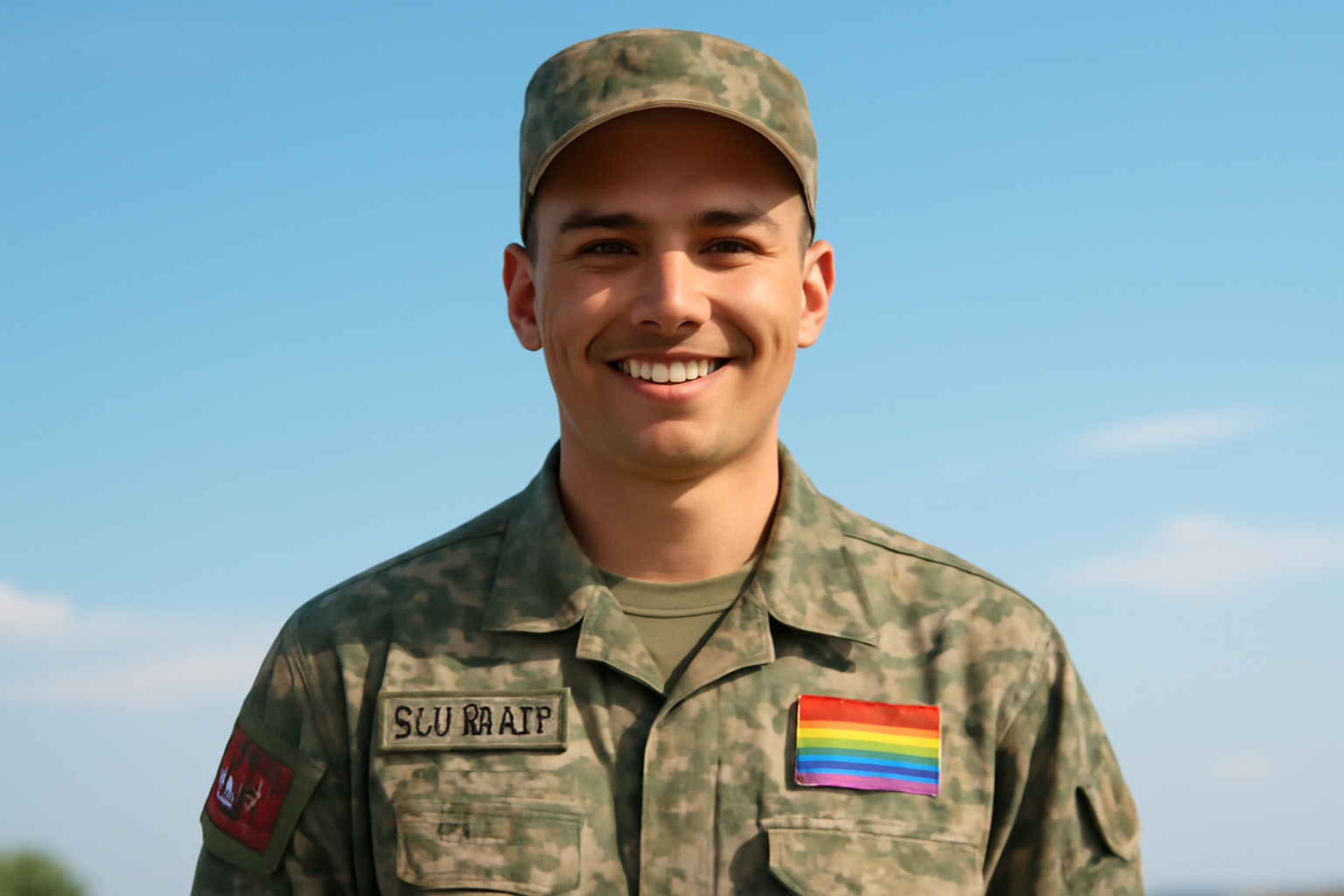
Unpacking a viral rumor: gay men in Turkey's military
Recently, a tweet blew up on social media, claiming that Turkey's military only allows gay men who identify as "top"—the partner who takes on a more active role during sex—to serve. The post quickly spread confusion and misinformation about how Turkey's armed forces really view LGBTQ+ individuals.
How did this misinformation spread?
It all started with a misleading post on what most people still call Twitter. A user shared a fake screenshot suggesting that only "top" gay men were allowed in Turkey's military. In sexual terms, "top" refers generally, if not universally, as someone who takes a more dominant physical role. However, this claim has no basis in reality and misrepresents Turkey's actual military policies.
Understanding Turkish military policies on LGBTQ+ servicemembers
Historically, Turkey's military has been quite strict about LGBTQ+ individuals serving. They've labeled homosexuality a “psychosexual illness,” using that as a reason not only exclude but more often derogate those who are open about their sexuality. In some cases, people seeking exemption had been compelled in various ways, even through sending in humiliating evidence, including photos, as proof.
The viral tweet leaned on an outdated Equaldex entry—a database that tracks LGBTQ+ laws worldwide. This entry cited a 2009 European Commission report that highlighted discriminatory policies within Turkey's military. But notably, it didn't back up any claims about preferring “top” gay men or any other specific preferences.
Clearing up misconceptions
The whole notion that Turkey's military prefers gay men who identify as "tops" isn't just wrong—it stems from exaggerations and creative interpretations about past practices. Turkey's military still has contentious and, arguably, discriminatory views on LGBTQ+ members, but there isn't a shred suggesting sexual roles affect recruitment.
Over time, efforts have been made on platforms like Equaldex, which regularly updates its entries, aiming at addressing these ongoing myths. While being gay might be a reason not recruit someone, it has nothing, at least officially, do with sexual roles.
Where do things stand now?
Despite some changes and discussions, Turkey's policies are still seen by many as discriminatory against LGBTQ+ people. One outdated practice that actually survives even now demands photographic evidence, although it doesn't specify what precise nature or act needs showing. This alone highlights ongoing institutional challenges.
Back in 2012, a notable BBC report featured a man deemed unfit after providing a photo where he was simply kissing another man. Such cases spotlight deeper issues within Turkey's military framework and its treatment toward LGBTQ+ individuals.
Why accurate information matters
In a time when falsehoods can spread with lightning speed online, it becomes even more critical we distinguish fact from fiction, especially on sensitive subjects like military policies and LGBTQ+ rights. While some might find that viral tweet amusing, it underscores why accurate portrayals and understanding are essential.
Spreading inaccurate information can perpetuate misconceptions and reinforce harmful stereotypes, further marginalizing LGBTQ+ communities. Thus, it's vital advocates continue dismantling these myths and push toward more inclusive, equitable policies.
Conclusion: steering toward truth and equality
The viral rumor about Turkey's military favoring "top" gay men might have been a quick chuckle or a moment's read, but it distracts from urgent issues LGBTQ+ individuals face in Turkey and elsewhere. Correcting such narratives allows us all a better chance supporting true equality and understanding.
Moving forward, let make sure our shared information fosters clarity and justice, contributing positively toward an inclusive future.
Related Posts
Supreme Court to Address State Bans on Trans Women in Female Sports
The upcoming U.S. Supreme Court term promises to be a pivotal moment for transgender rights, as the nation's highest court has agreed to evaluate whether states have the authority to prohibit transgender women from participating in female sports competitions. This case, scheduled to be argued in the next term beginning October, is expected to have a significant impact on the future of sports inclu [...]
Megan Rapinoe and Sue Bird Announce Amicable Separation After Ten Years Together
In a heartfelt announcement that resonated deeply within the sports and LGBTQ+ communities, soccer star Megan Rapinoe and basketball legend Sue Bird have revealed their decision to part ways after nearly a decade together. The couple, who have been icons both on and off the field, shared the news with their fans through a joint statement on social media, expressing that the choice was made with mu [...]
Groundbreaking Ruling Ends Sodomy Ban for Police and Military in the Dominican Republic
The Constitutional Court of the Dominican Republic recently delivered a landmark decision on November 18th, ruling that the nation’s police and armed forces are not permitted to criminalize consensual same-sex relations among their personnel. This pivotal ruling is a significant stride towards equality and the protection of LGBTQ+ rights within these institutions. A Resounding Victory for Equal [...]