
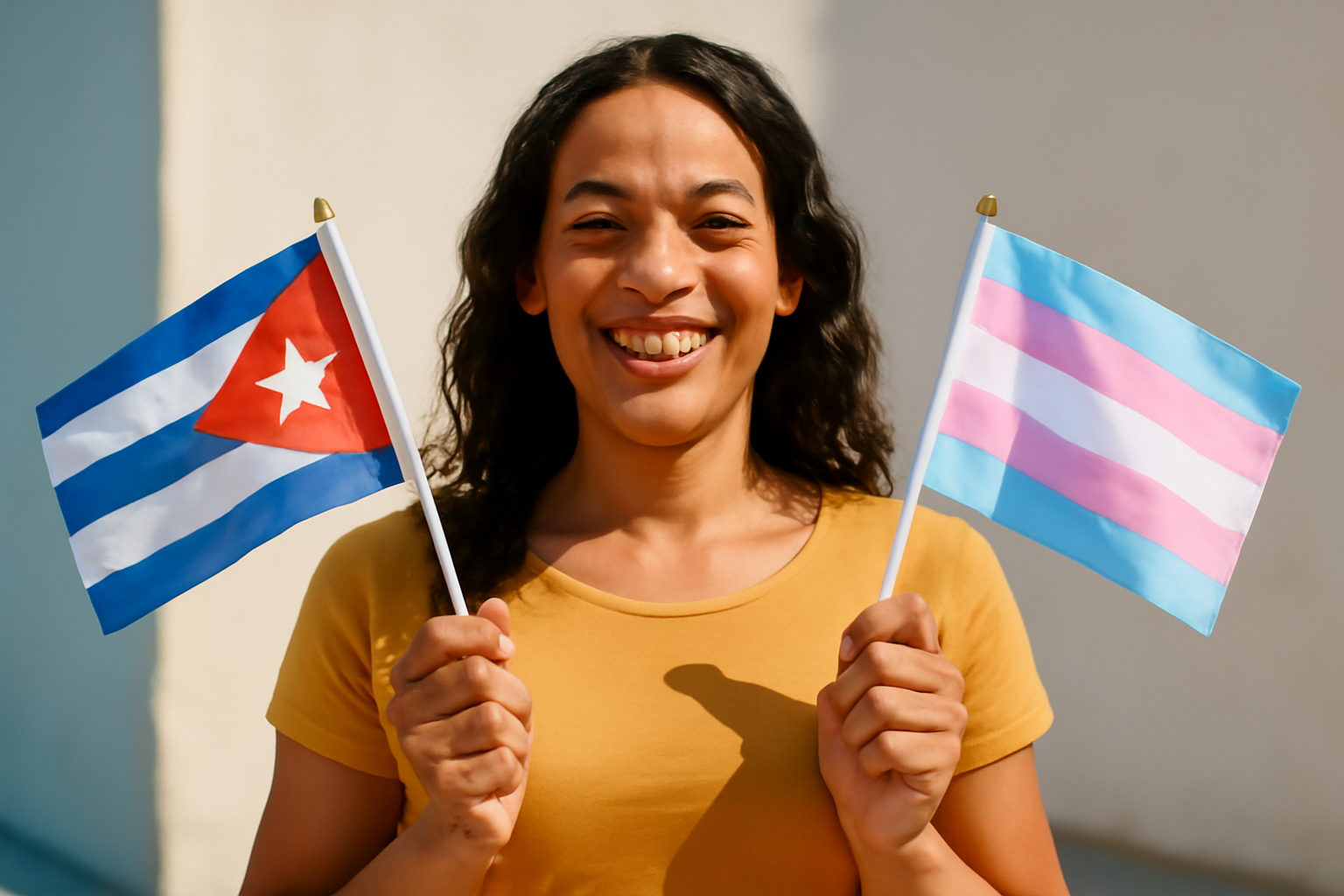
In a major step forward, Cuba's lawmakers are gearing up this week, and they've got a big topic on their agenda: a proposal that could make it a lot easier and more straightforward, especially in Cuba's context, my goodness, it's quite a breakthrough! This move could be a game-changer, bringing Cuba closer in line with what's generally seen as best practices around gender identity worldwide.
The news about this proposal came out around a very fitting time—during International Day Against Homophobia, Biphobia, and Transphobia. This day plays a huge role in shining a light on ending discrimination and violence against LGBTQ+ people everywhere. In Havana, CENESEX, Cuba's own champion in LGBTQ+ advocacy and education, organized a march in honor. The timing isn't just lucky; it really shows how Cuba's increasingly focusing on LGBTQ+ rights.
Hurdles faced and changes ahead
Throughout our globe, transgender folks often struggle with aligning their legal documents with their true selves. In Cuba, it's a bit more complicated, often needing a court's nod or even surgery—a huge barrier, especially when not everyone can or wants that path.
The legislative change on deck aims squarely at Cuba's Civil Registry Law. If they give it a green light, people could change their gender marker without all that legal red tape or medical demands. Imagine what that could mean—simpler paths, more personal control, and fewer hoops.
Other places like Argentina, Malta, Germany, and Uruguay have already thrown out similar laws, letting self-identification take center stage. These places have been applauded, and their policies could be a solid blueprint as Cuba looks at making its move.
The powerhouse duo: CENESEX and Mariela Castro
Mariela Castro, steering CENESEX, has been a rockstar in pushing forward LGBTQ+ rights in Cuba. With a name like Castro (yup, she is Raúl Castro's daughter), she carries quite a bit more than just a last name—she's really worked hard on making Cuba a more inclusive place.
There are some bumps in this journey, though. Even with state-provided sex-reassignment surgeries since 2008, access remains trickier than it should be. Advocates point out that more needs doing—better services, broader access, and addressing that healthcare availability issue.
When it comes down, yes, Mariela's spot in Cuba's National Assembly definitely gives this new proposal some serious momentum. However, her political navigation hasn't always been smooth—she's made some controversial decisions before, like holding back a vote in favor because it didn't cover gender identity.
Bridged gaps and social changes
Cuba's constitution explicitly stands against discrimination related based on sexual orientation and gender identity. Yet, on-the-ground stories, like activist detainment, hint at a different reality—one with a troubling disconnect between paper and practice.
This proposed adjustment in Civil Registry Law could be pivotal, signaling state recognition and respect towards transgender rights. It could pave a more accepting societal path, bridging current divides.
As this proposal winds its path, all eyes are bound on how it gets received and dissected by Cuba's National Assembly and folks at large. The ripples from this could inspire broader changes in Cuban LGBTQ+ rights and perhaps spark similar shifts elsewhere.
All in all, this could be a groundbreaking moment. It hints at a Cuba that's ready, willing, and able, finally, nodding towards more inclusive policies. As global observers watch, here's hoping it heralds a new, brighter, more equal chapter in Cuban history.
Related Posts
Supreme Court to Address State Bans on Trans Women in Female Sports
The upcoming U.S. Supreme Court term promises to be a pivotal moment for transgender rights, as the nation's highest court has agreed to evaluate whether states have the authority to prohibit transgender women from participating in female sports competitions. This case, scheduled to be argued in the next term beginning October, is expected to have a significant impact on the future of sports inclu [...]
Megan Rapinoe and Sue Bird Announce Amicable Separation After Ten Years Together
In a heartfelt announcement that resonated deeply within the sports and LGBTQ+ communities, soccer star Megan Rapinoe and basketball legend Sue Bird have revealed their decision to part ways after nearly a decade together. The couple, who have been icons both on and off the field, shared the news with their fans through a joint statement on social media, expressing that the choice was made with mu [...]
Groundbreaking Ruling Ends Sodomy Ban for Police and Military in the Dominican Republic
The Constitutional Court of the Dominican Republic recently delivered a landmark decision on November 18th, ruling that the nation’s police and armed forces are not permitted to criminalize consensual same-sex relations among their personnel. This pivotal ruling is a significant stride towards equality and the protection of LGBTQ+ rights within these institutions. A Resounding Victory for Equal [...]