
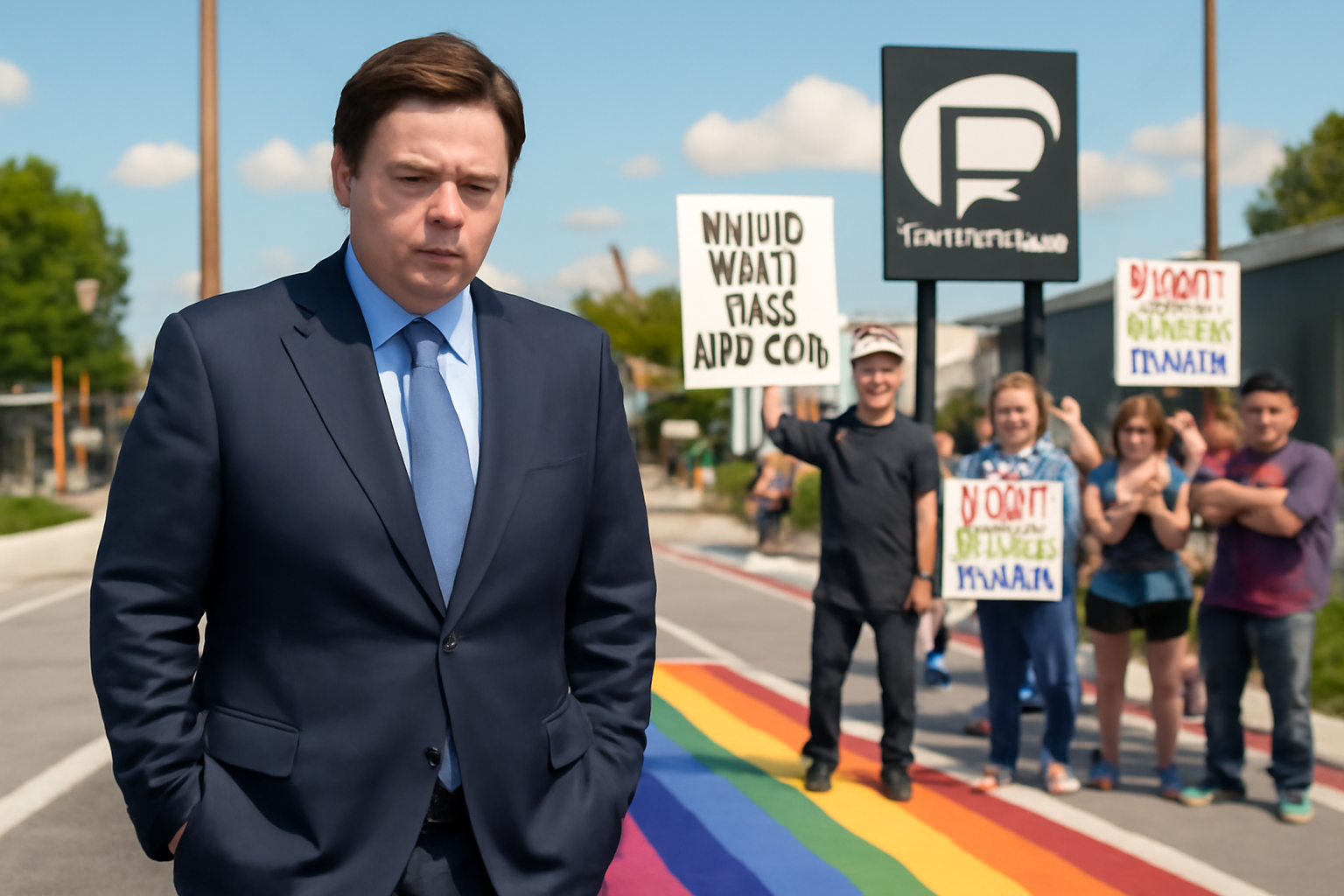
Florida governor sparks outrage with removal
Florida Governor Ron DeSantis recently stirred up controversy by removing a rainbow-colored crosswalk near Orlando's Pulse nightclub. This crosswalk was more than just paint on asphalt; it was a memorial honoring 49 lives lost in a tragic shooting in 2016. When it vanished overnight on August 21, shockwaves rippled through a community already scarred by loss.
Community fights back with creativity
The local community didn't waste a moment responding. The day after it disappeared, residents grabbed chalk and recreated that vibrant crosswalk. Sure, rain washed some away, but that didn't dampen their spirits. This impromptu act showed how committed they are—not just with words, but with actions—to keeping those memories alive and honoring those lost at Pulse.
The deeper meaning behind those colors
Back in 2017, with support from Orlando city officials and Florida's transportation department, this rainbow crosswalk came alive. It wasn't just a splashy piece; it was a heartfelt symbol—a reminder, a marker, a light in dark times. As one part Memorial para visitors and locals alike, it offered a place that demanded pause and reflection on one horrific night that changed lives.
The politics and 'safety' surrounding it
So, what drove this decision? Officially, it ties back, in part, they say, it's about safety. Sean Duffy, alongside President Trump, rolled out a national roadway safety plan that DeSantis seemed aligned with. The initiative wants streets and crosswalks distraction-free, even if those distractions are meaningful art. Critics don't buy it, though. They see this as political—not about safety, but silencing a powerful symbol. Orlando's Mayor Buddy Dyer didn't mince words, calling it a "cruel political act" that skipped over community voices.
What could this mean nationwide?
This isn't just Orlando's story. It has sparked a national conversation. South Florida cities like West Palm Beach and Boynton Beach feel pressured and are planning similar removals. It's kickstarting debates: how do we juggle road safety with keeping cultural landmarks? Yet, some places, like Washington D.C. and Arlington, are holding their ground, rainbow crosswalks intact, standing firm in their message about LGBTQ+ pride and inclusivity.
In conclusion: We need understanding and a conversation
Taking away this crosswalk near Pulse pushes us all, once again, onto a complex path where politics, safety, and cultural preservation collide. The Orlando community's creative comeback reminds us: unity can't be erased. We need more chats, more listening—to keep voices from being muted, especially those from marginalized groups. Even if that physical crosswalk's gone, its spirit lingers, a light in those committed hearts still fighting hard, day in and day out, championing LGBTQ+ rights.
Related Posts
Supreme Court to Address State Bans on Trans Women in Female Sports
The upcoming U.S. Supreme Court term promises to be a pivotal moment for transgender rights, as the nation's highest court has agreed to evaluate whether states have the authority to prohibit transgender women from participating in female sports competitions. This case, scheduled to be argued in the next term beginning October, is expected to have a significant impact on the future of sports inclu [...]
Megan Rapinoe and Sue Bird Announce Amicable Separation After Ten Years Together
In a heartfelt announcement that resonated deeply within the sports and LGBTQ+ communities, soccer star Megan Rapinoe and basketball legend Sue Bird have revealed their decision to part ways after nearly a decade together. The couple, who have been icons both on and off the field, shared the news with their fans through a joint statement on social media, expressing that the choice was made with mu [...]
Groundbreaking Ruling Ends Sodomy Ban for Police and Military in the Dominican Republic
The Constitutional Court of the Dominican Republic recently delivered a landmark decision on November 18th, ruling that the nation’s police and armed forces are not permitted to criminalize consensual same-sex relations among their personnel. This pivotal ruling is a significant stride towards equality and the protection of LGBTQ+ rights within these institutions. A Resounding Victory for Equal [...]