
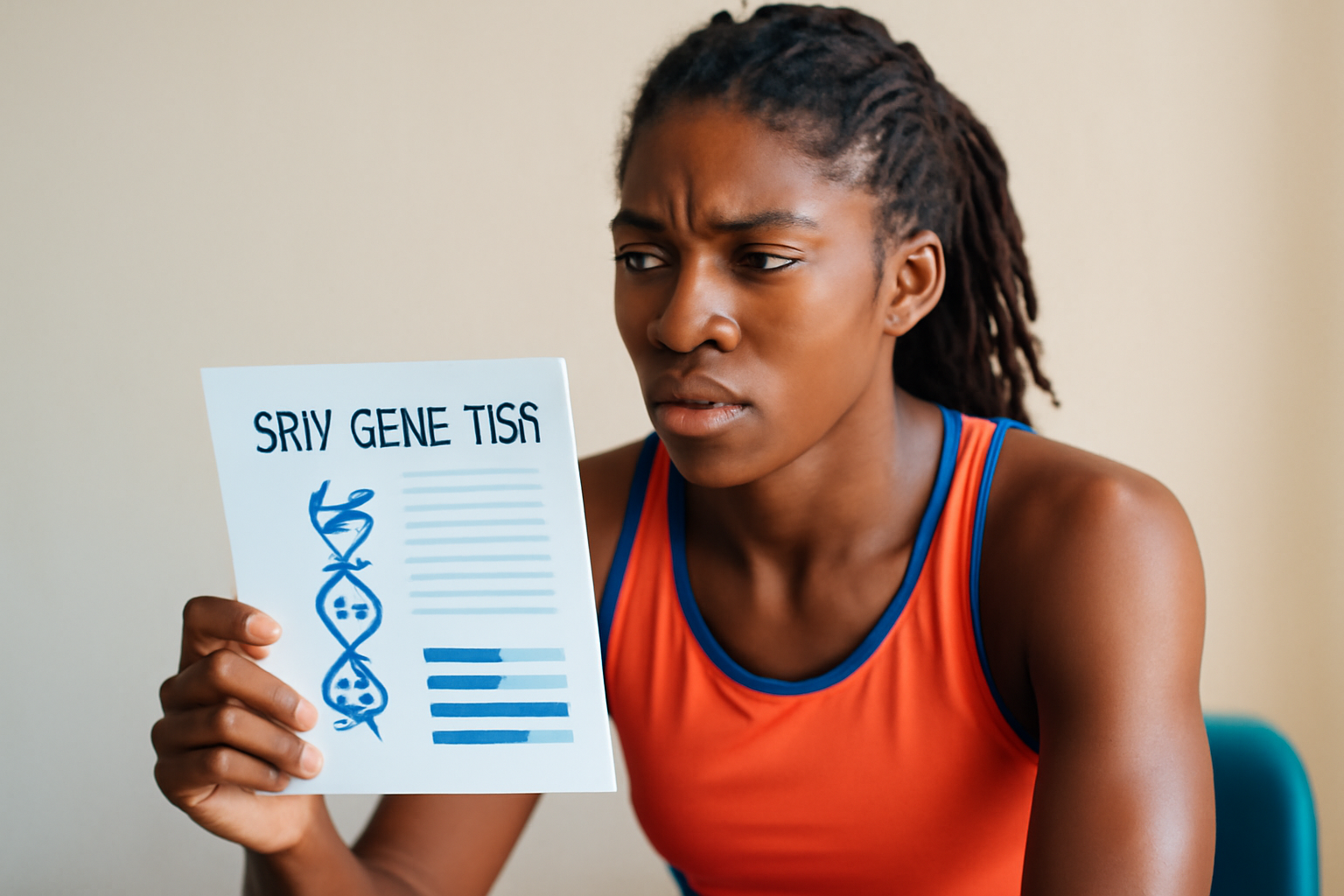
At this year's World Athletics Championships in Tokyo, there was a bombshell revelation that could shake up women's track and field as we know it. Officials announced a new, hotly debated rule about athlete eligibility, hinging on a sex test that checks athletes' SRY genes. This shift means that since 2000, about 60 athletes who made it all through finals wouldn't pass this updated criteria.
The announcement came from Dr. Stéphane Bermon, who oversees health and sciences at World Athletics. His data reveals that from 2000 through 2023, 135 women finalists were flagged under what they call "differences in sexual development" (DSD). Bermon contends that these athletes have been overrepresented in finals, which he says could impact fair play in women's sports.
Bringing back SRY gene testing
World Athletics has decided that SRY gene testing will once again be required, using it as a "trustworthy indicator" in determining biological sex, aiming at leveling out competition. This isn't a brand spanking new idea, though. The International Olympic Committee had ditched this test after their 2000 Games, as doubts about its accuracy came up.
Despite its controversy, reintroducing this testing system seems central in ensuring fair play. World Athletics President Sebastian Coe emphasized that it's vital women in sports don't hit a "biological glass ceiling." In his words, "For those competing at an elite female category, biological femininity must be established."
There are backers, including Donald Trump, who recently pushed towards bringing sex testing back at LA's 2028 Olympics—to stop men from participating in women's events.
The scientific side-eye toward SRY testing
Despite World Athletics' confidence in SRY testing, some scientists aren't convinced it's up-to-scratch. Professor Andrew Sinclair, who discovered this gene in 1990, has been vocal about its drawbacks in sports. Biology, he argues, isn't just about one thing—it's a mix, including chromosomes, gonads, hormones, and more.
Sinclair puts it like this: "Science doesn't back such a basic method." He insists that an SRY gene alone doesn't fully determine one's sex. It doesn't confirm if a testis has even formed or if testosterone's in play and working. Relying only on this gene misses a lot.
Moreover, Sinclair points out how easily SRY tests can go awry, with contaminants leading straight down a path toward false positives—potentially wrecking an athlete's career. He takes World Athletics' lackadaisical guidelines and disregard toward emotional and psychological impacts seriously.
Looking ahead: sports and gender testing
Reusing SRY gene testing? Some experts, like Sinclair, see it as a step backward. He calls this choice "misguided," given its rocky past. This whole debate about using SRY genes in sports eligibility taps deeper discussions on sex, gender, and fairness.
As sports grapple with these thorny topics, this ongoing conversation spotlights where science, policy, and human rights meet. The dispute over SRY testing isn't going anywhere and continues raising tough questions. How can sports organizations ensure inclusivity and fairness while keeping competitions fair?
Stay tuned on these twists and turns—and other LGBTQ+ matters—by joining our newsletter. Don't miss out on getting all these fresh takes on political stories shaping LGBTQ+ lives across our globe.
Related Posts
Supreme Court to Address State Bans on Trans Women in Female Sports
The upcoming U.S. Supreme Court term promises to be a pivotal moment for transgender rights, as the nation's highest court has agreed to evaluate whether states have the authority to prohibit transgender women from participating in female sports competitions. This case, scheduled to be argued in the next term beginning October, is expected to have a significant impact on the future of sports inclu [...]
Megan Rapinoe and Sue Bird Announce Amicable Separation After Ten Years Together
In a heartfelt announcement that resonated deeply within the sports and LGBTQ+ communities, soccer star Megan Rapinoe and basketball legend Sue Bird have revealed their decision to part ways after nearly a decade together. The couple, who have been icons both on and off the field, shared the news with their fans through a joint statement on social media, expressing that the choice was made with mu [...]
Groundbreaking Ruling Ends Sodomy Ban for Police and Military in the Dominican Republic
The Constitutional Court of the Dominican Republic recently delivered a landmark decision on November 18th, ruling that the nation’s police and armed forces are not permitted to criminalize consensual same-sex relations among their personnel. This pivotal ruling is a significant stride towards equality and the protection of LGBTQ+ rights within these institutions. A Resounding Victory for Equal [...]