
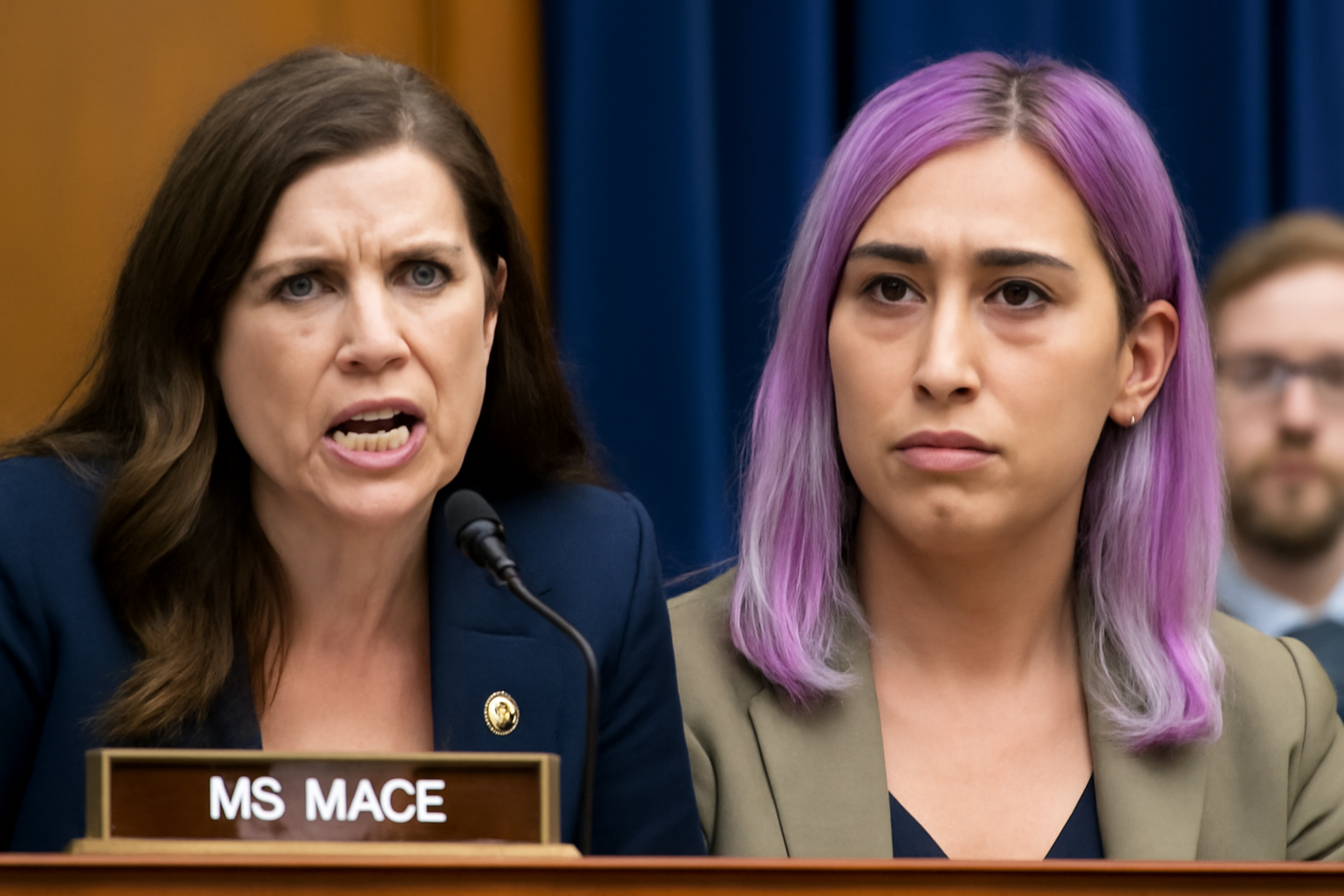
During a recent congressional hearing, Representative Nancy Mace, a Republican from South Carolina, stirred up quite a debate with comments perceived by many transgender advocates as dehumanizing and transphobic. This uproar has sparked a wider conversation about how public officials' words affect LGBTQ+ communities.
Setting The Scene: What The Hearing Was About
The hearing was all about public health and marginalized community rights. At some point, Representative Mace decided her focus would be on gender identity—no small topic. But her words, which many felt were slurs against transgender people, quickly became a hot button issue. Advocacy groups and fellow lawmakers wasted no time condemning her language.
What Exactly Was Said?
Speaking before a panel, Mace used language that many took as dismissive towards transgender struggles. She seemed skeptical about transgender identities and whether they should even be part and parcel in policy talks. Critics say such rhetoric just backs harmful stereotypes and makes things tougher and more hostile, especially toward transgender individuals.
Right after her comments, some committee members didn't hold back. They called out her remarks and pushed hard on having more respectful and inclusive discussions. One representative, known as a strong supporter, highlighted our need as humans: affirming everyone's humanity and dignity no matter their gender identity.
How The LGBTQ+ Community And Advocates Are Reacting
The LGBTQ+ community moved fast. Advocacy groups slammed Mace's words as both "irresponsible" and "dehumanizing." The Human Rights Campaign, a leading LGBTQ+ rights organization, was quick on their feet, warning how dangerous such language can be, pointing out it might lead straight down a path toward discrimination and violence against trans people.
"Words matter," said a spokesperson. "When public figures use language that diminishes transgender peoples' experiences, it sends a message they are somehow less human, and that's just not okay."
Calls For An Apology And Accountability On The Rise
Post-hearing, there's been growing demand that Mace issue an official apology. Advocates stress how accountability needs enforcing this. They argue: elected officials should champion equality and understanding.
Mace, trying hard in her defense, said in later interviews her words were taken out-of-context, expressing merely personal beliefs. But this stance only ignited more calls demanding an apology and actions stopping future incidents.
The Bigger Picture: Political And Social Ripples
This incident has thrown a spotlight back on cultural and political skirmishes over transgender rights in America. As debates surge forward, people are watching—and listening—closely. Scrutiny over public officials' words? You bet, with mounting pressure calling them toward more inclusive talk.
Experts weighing in from gender studies and political communication say while freedom-of-speech remains vital, it should steer clear from harming vulnerable groups. Instead? Focus conversations on empathy, understanding, and policies grounded firmly in evidence, not divisive rhetoric.
What's going come out from all this? That remains open—shaping future dialogues regarding LGBTQ+ rights alongside language's role in perception and policymaking. Yet advocacy efforts won't let up. They're emphasizing how having allies in influential places could make lasting strides toward policies safeguarding transgender folks.
In short, though Representative Nancy Mace ruffled feathers with her remarks, they've ignited critical dialogue surrounding respectful language in public discourse. Advocacy groups and allies press onward, hoping long-term positives and increased awareness are born from this incident—addressing challenges faced by transgender individuals moving forward.
Related Posts
Supreme Court to Address State Bans on Trans Women in Female Sports
The upcoming U.S. Supreme Court term promises to be a pivotal moment for transgender rights, as the nation's highest court has agreed to evaluate whether states have the authority to prohibit transgender women from participating in female sports competitions. This case, scheduled to be argued in the next term beginning October, is expected to have a significant impact on the future of sports inclu [...]
Megan Rapinoe and Sue Bird Announce Amicable Separation After Ten Years Together
In a heartfelt announcement that resonated deeply within the sports and LGBTQ+ communities, soccer star Megan Rapinoe and basketball legend Sue Bird have revealed their decision to part ways after nearly a decade together. The couple, who have been icons both on and off the field, shared the news with their fans through a joint statement on social media, expressing that the choice was made with mu [...]
Groundbreaking Ruling Ends Sodomy Ban for Police and Military in the Dominican Republic
The Constitutional Court of the Dominican Republic recently delivered a landmark decision on November 18th, ruling that the nation’s police and armed forces are not permitted to criminalize consensual same-sex relations among their personnel. This pivotal ruling is a significant stride towards equality and the protection of LGBTQ+ rights within these institutions. A Resounding Victory for Equal [...]