
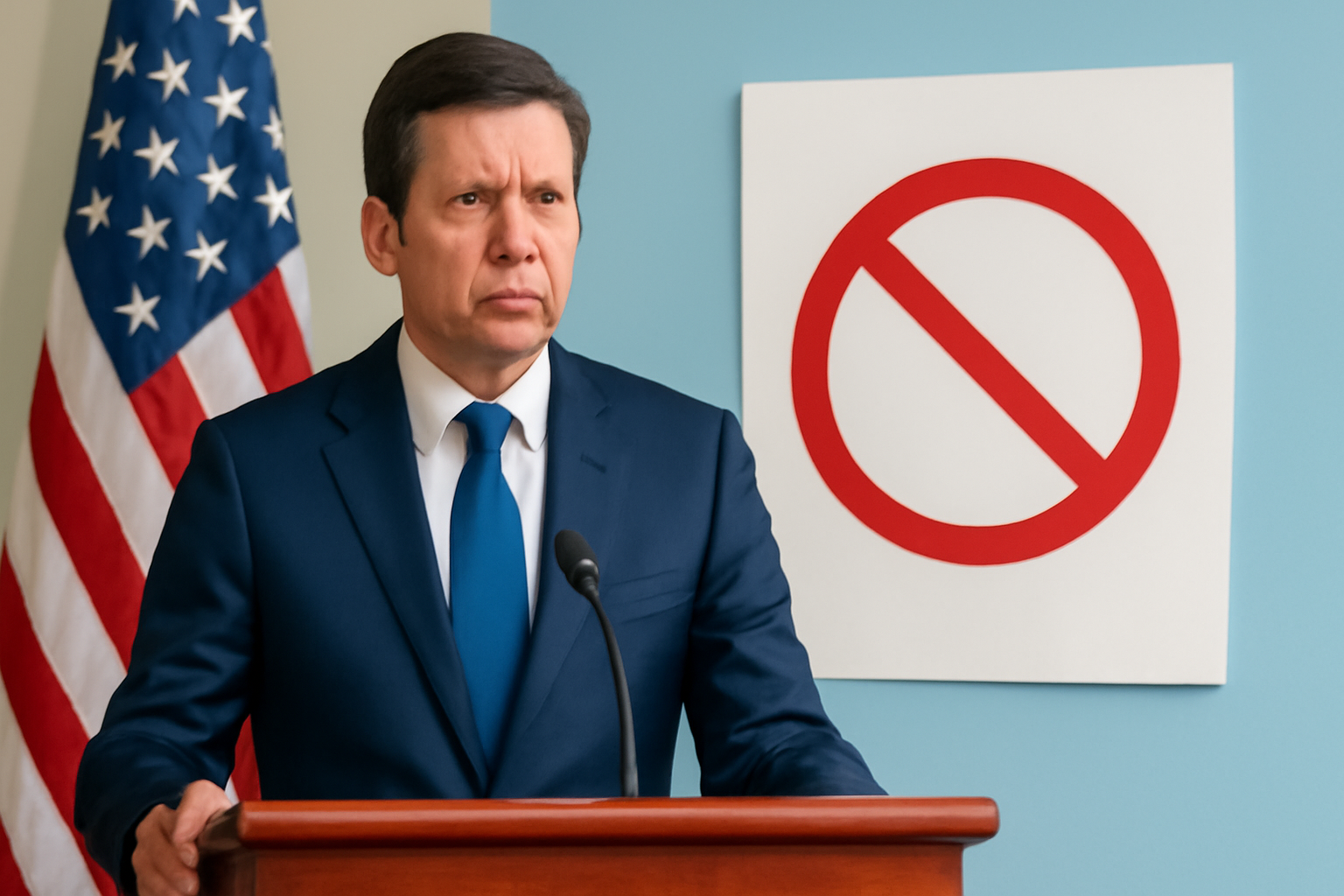
The debate over freedom and expression has taken a new twist with reports claiming that specific words and phrases are being systematically removed from federal websites and documents by today's U.S. administration. This move has stirred up considerable concern among advocacy groups and citizens who worry these actions might suppress open communication and public discourse.
Despite official denials from The White House regarding any banned list, PEN America, a vocal advocate championing free speech, has identified over 250 terms allegedly being excluded. These words include those acknowledging human diversity, supporting LGBTQ+ identities, and encouraging cultural awareness. The omission includes words like "accessibility," "cultural competence," and "transgender," which seriously questions where this administration stands on diversity, equity, and inclusion (DEI) initiatives.
the battle over words: analyzing what's at stake
Jonathan Friedman, a director at PEN America, has raised concerns about these language restrictions' impact. "How can we have intelligent or difficult conversations if we can't even use words, our most basic unit?" he asked, pointing out that such limitations on everyday language don't just alarm—they threaten research and hinder our pursuit and expansion knowledge.
The list also targets terms like "clean energy," "climate crisis," "gender-affirming care," and "science-based." Their exclusion seems largely influenced by political ideologies that challenge both scientific and social consensus. Abbreviations like "GBV" (gender-based violence) and "MCSIs" (minority-serving institutions) are reportedly also under attack.
unexpected omissions from language
Amid these sweeping linguistic bans, ten words stand out because they seem oddly unrelated. For instance, why would there be discomfort with terms like "fluoride," "dietar guidelines," or even "Cancer Moonshot"? These terms, seemingly far removed from political contention, are surprisingly under scrutiny.
Even "accessibility" has faced cuts, with accessibility information and American Sign Language content disappearing from federal websites under cost-saving justifications. This move, however, significantly harms public resources aimed at aiding individuals with disabilities.
the effects on marginalized communities
Words like "allyship" and "risk" are central pillars in DEI efforts. By limiting these terms, it seems like there's an undermining effort against initiatives supporting marginalized groups. Words like "risk" often spotlight societal disparities involving race, gender, and economic status, which seem like issues this administration prefers not addressing directly.
The "Cancer Moonshot" term, linked with a critical research initiative aiming at cutting down cancer mortalities, suffers from financial restraints brought on by this administration, curtailing its possible impact.
beyond politics: cultural and moral influences
The restrictions extend further, even hitting words like "commercial sex worker," reflecting cultural and moral judgments. Ties between this administration and conservative, religious groups might influence these decisions, drawing lines that stigmatize certain lifestyles.
On another front, terms like "dietar guidelines" and "ultra-processed foods" vanish, suggesting a push towards deregulation that favors business interests at a possible cost public health benefits.
Other strange exclusions like "elderly," "marijuana," and "peanut allergies" address significant health and safety issues but get caught in a political whirlwind, reflecting broader policy shifts.
managing a changing linguistic environment
Restricting language, especially words vital in addressing and tackling societal issues, presents a daunting obstacle against open dialogue. For groups like LGBTQ+ communities and other marginalized populations, these changes threaten advocacy efforts and cut off access critical resources.
As these discussions roll on, staying vigilant and promoting diverse perspectives in public dialogue remains essential. This dedication ensures we're tackling complex societal concerns through informed and transparent conversations.
Keep updated with ongoing developments impacting LGBTQ+ communities—subscribe our newsletter now!
Related Posts
Supreme Court to Address State Bans on Trans Women in Female Sports
The upcoming U.S. Supreme Court term promises to be a pivotal moment for transgender rights, as the nation's highest court has agreed to evaluate whether states have the authority to prohibit transgender women from participating in female sports competitions. This case, scheduled to be argued in the next term beginning October, is expected to have a significant impact on the future of sports inclu [...]
Megan Rapinoe and Sue Bird Announce Amicable Separation After Ten Years Together
In a heartfelt announcement that resonated deeply within the sports and LGBTQ+ communities, soccer star Megan Rapinoe and basketball legend Sue Bird have revealed their decision to part ways after nearly a decade together. The couple, who have been icons both on and off the field, shared the news with their fans through a joint statement on social media, expressing that the choice was made with mu [...]
Groundbreaking Ruling Ends Sodomy Ban for Police and Military in the Dominican Republic
The Constitutional Court of the Dominican Republic recently delivered a landmark decision on November 18th, ruling that the nation’s police and armed forces are not permitted to criminalize consensual same-sex relations among their personnel. This pivotal ruling is a significant stride towards equality and the protection of LGBTQ+ rights within these institutions. A Resounding Victory for Equal [...]