
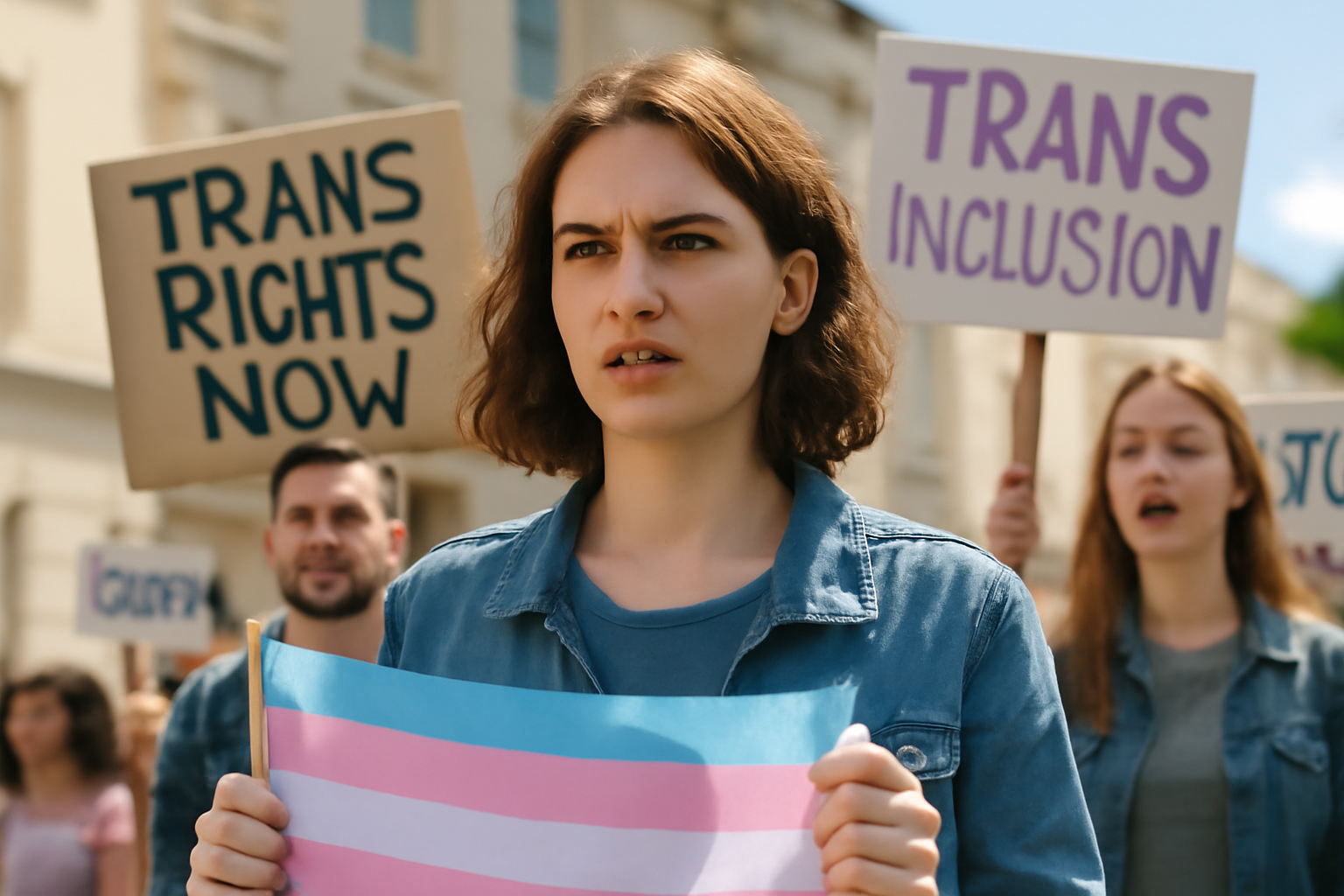
Transgender rights have become a hot-button issue in Britain recently, sparked by a high court ruling and follow-up guidance from Britain's Equality and Human Rights Commission (EHRC). These moves have stirred up spirited debates and protests across communities, as they touch on how legal definitions can deeply impact transgender people's everyday experiences.
Making sense out: The high court's transgender rights decision
Back on April 16, a significant ruling came down from Britain's high court: according “sex” in Britain's Equality Act 2010 refers strictly biological sex. This decision doesn't just rest on paper; it carries real, weighty consequences, particularly when it comes accommodating transgender individuals in gender-specific spaces and services.
The story behind controversial ruling
This all started because Scotland aimed ensure gender balance on public boards, factoring in transgender women quotas. The court had interpret “sex” “woman” within law, ultimately deciding these words binary, grounded in biological birth sex.
So what does this actually mean? Essentially, transgender women not born female might find closed off from certain women-only spaces, while transgender men could face similar hurdles male-only areas. Naturally, this interpretation hasn't gone down quietly, sparking protests nationwide with activists arguing it strips transgender individuals' right live their gender identity.
EHRC's interim guidance and what it means
Following court's ruling, EHRC stepped in release some interim guidelines intended help public organizations adjust. Their advice? In places like hospitals, shops, and restaurants, transgender folks should, according guidance, use facilities matching their biological sex, not gender identity.
Akua Reindorf KC, an EHRC Commissioner, took time explain these guidelines, especially around worries exclusion. She stressed that cases should judged individually, taking safety and comfort sensitive situations, such as rape crisis counseling, consideration.
Notably, anti-trans figures such as author JK Rowling have come out in support these measures. Rowling even financially backed women-only crisis center excluding transgender women, citing need ensure safety and comfort biological women.
Real-world impact and how public's reacting
The guidance underscores necessity not deny transgender people access basics. Suggests mixed-sex or universally accessible facilities, like single lockable rooms, which are practical choice small businesses.
In schools, guidance advises dissuading transgender students from using toilets or changing rooms matching gender identity, hinting alternative solutions might needed.
Clubs organizations over 25 members are urged align with these sex definitions. This means women-only or lesbian-only groups shouldn't include transgender women, same exclusions apply transgender men male-only groups. Government backs guidance, claiming it provides clarity service providers women.
Reactions have been all over map. While some LGBTQ+ advocates argue guidance steps back transgender rights by enforcing discrimination under guise legal clarity, protests continue erupt across UK, demanding more inclusive policies that truly acknowledge and support transgender identities.
As issue unfolds, it remains pressing concern LGBTQ+ groups individuals. Legal social outcomes court's decision and EHRC's guidance are set be hotly debated and protested over time.
Related Posts
Supreme Court to Address State Bans on Trans Women in Female Sports
The upcoming U.S. Supreme Court term promises to be a pivotal moment for transgender rights, as the nation's highest court has agreed to evaluate whether states have the authority to prohibit transgender women from participating in female sports competitions. This case, scheduled to be argued in the next term beginning October, is expected to have a significant impact on the future of sports inclu [...]
Megan Rapinoe and Sue Bird Announce Amicable Separation After Ten Years Together
In a heartfelt announcement that resonated deeply within the sports and LGBTQ+ communities, soccer star Megan Rapinoe and basketball legend Sue Bird have revealed their decision to part ways after nearly a decade together. The couple, who have been icons both on and off the field, shared the news with their fans through a joint statement on social media, expressing that the choice was made with mu [...]
Groundbreaking Ruling Ends Sodomy Ban for Police and Military in the Dominican Republic
The Constitutional Court of the Dominican Republic recently delivered a landmark decision on November 18th, ruling that the nation’s police and armed forces are not permitted to criminalize consensual same-sex relations among their personnel. This pivotal ruling is a significant stride towards equality and the protection of LGBTQ+ rights within these institutions. A Resounding Victory for Equal [...]