
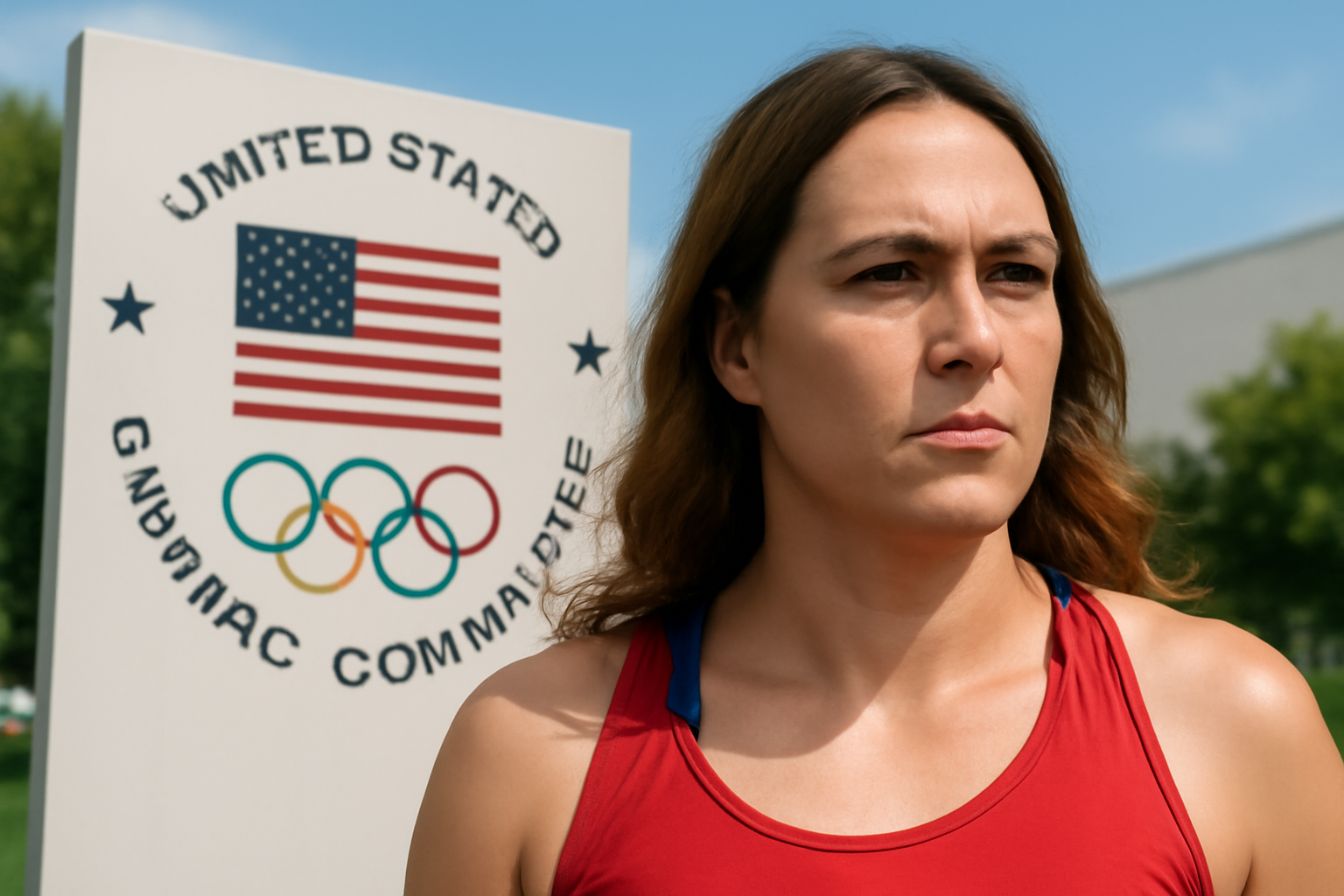
The U.S. Olympic Committee (USOC) recently made waves by announcing a policy that bars trans women from competing in female sports categories at Olympic events. This decision has kicked off a heated debate not only in America but around globe. It brings up big questions about inclusivity, fairness, and what it means in today's sports scene.
Making sense Of The USOC's ruling
The USOC's new rule stops trans women from joining female-only events, saying it's about keeping things fair competition-wise. The committee argues that trans women might have physical advantages, like greater strength and endurance, which could give them an edge over cisgender women athletes.
However, this decision hasn't come without pushback. Supporters advocates argue that this policy discriminates and goes against Olympic values because it excludes trans women. They emphasize that respecting someone's gender identity should be a priority and point out that leaving trans women out just adds another layer marginalization.
What The Trans Community Is Saying
People in trans community are feeling let down and frustrated with USOC's decision. For many, it feels like a setback in their fight equal rights and representation in sports. Jane Thompson, a well-known spokesperson from an LGBTQ+ group, summed it up saying, "This move basically tells trans women they're not wanted in sports, no matter how devoted they are."
Trans athletes often have tough hurdles, facing everything from societal stigma a difficult transitioning process, which can include hormone therapy that affects their physical abilities. They argue these adjustments help even out any advantages, questioning USOC's stance advantages.
The scientific debate and policy dilemmas
The science community doesn't agree on this either. Some say hormone therapy aligns trans women's physical abilities with those cisgender women, while others believe some advantages might still be present. This division highlights how tricky it create fair, inclusive policies. There's an increasing need more in-depth research and data so sports organizations can make informed decisions. Until clearer evidence comes forward, policies like USOC's will likely continue facing criticism.
Global sports organizations and their impact
International bodies, like International Olympic Committee (IOC), laid out their own guidelines. IOC allows trans women compete if they've identified as female at least four years and kept certain testosterone levels, trying balance fairness and inclusivity. With USOC's choice, there's worry about clashes between national and international rules, especially athletes on global stage. If other nations follow suit, it could lead a patchwork policies around trans inclusion sports.
Finding a Way forward
It's clear resolving these complex issues surrounding trans athletes in sports won't be easy. Advocates are calling open conversations include voices from trans community, scientists, athletes, and policymakers. They want a path that respects fairness and inclusivity.
For trans athletes, this goes beyond just being allowed compete; it's about recognition and being able compete genuinely. How this debate unfolds will impact sports' future, making it a key issue in human rights dialogue.
The big question remains: can we create space in sports where everyone, no matter their gender identity, has chance thrive? People everywhere watching closely as these policies continue evolve, hoping values inclusion and diversity win out.
Related Posts
Supreme Court to Address State Bans on Trans Women in Female Sports
The upcoming U.S. Supreme Court term promises to be a pivotal moment for transgender rights, as the nation's highest court has agreed to evaluate whether states have the authority to prohibit transgender women from participating in female sports competitions. This case, scheduled to be argued in the next term beginning October, is expected to have a significant impact on the future of sports inclu [...]
Megan Rapinoe and Sue Bird Announce Amicable Separation After Ten Years Together
In a heartfelt announcement that resonated deeply within the sports and LGBTQ+ communities, soccer star Megan Rapinoe and basketball legend Sue Bird have revealed their decision to part ways after nearly a decade together. The couple, who have been icons both on and off the field, shared the news with their fans through a joint statement on social media, expressing that the choice was made with mu [...]
Groundbreaking Ruling Ends Sodomy Ban for Police and Military in the Dominican Republic
The Constitutional Court of the Dominican Republic recently delivered a landmark decision on November 18th, ruling that the nation’s police and armed forces are not permitted to criminalize consensual same-sex relations among their personnel. This pivotal ruling is a significant stride towards equality and the protection of LGBTQ+ rights within these institutions. A Resounding Victory for Equal [...]