
What Trudeau's resignation means
If politics were a season, Trudeau's could be described as a particularly stormy one. On January 6, 2025, in a moment that caught many off guard, Trudeau stepped down. Addressing a room at Rideau Cottage in Ottawa, he spoke candidly about mounting internal pressures and his own doubts about leading his party through another election. This news follows on from a pretty rocky patch, not least with finance minister Chrystia Freeland bowing out amidst critiques over trade spats with our neighbors down south, leaving even die-hard fans feeling a bit disenchanted.A possible political shake-up
The Liberals now find themselves on shaky ground—who'll step up as their new leader in time before Canadians hit those October polling stations? Meanwhile, Pierre Poilièvre and his Conservatives stand ready, tapping their watch like it's only a matter time. Poilièvre, since taking on party leadership in 2022, has been at times polarizing, especially on LGBTQ+ issues. While he did come around on same-sex marriage, his other stances have folks scratching their heads. Is change really in his DNA?Unease over LGBTQ+ rights with Poilièvre
Sure, Poilièvre says he supports same-sex marriage, but dig a little deeper and it gets complicated. He's raised brows with comments about transgender women and their access—a touchy subject—and he's openly skeptical about things like puberty blockers, which many see as critical healthcare. Advocates aren't staying quiet. Elishma Khokhar from Amnesty International Canada warns that Poilièvre's tone might be dangerous, potentially shifting focus away from addressing true gender-based violence. Meanwhile, Sarah Worthman from Newfoundland and Labrador's Queer Research Initiative doesn't mince words either, hinting that Poilièvre might just use Section 33—something that could pull back hard-won trans rights.Where do Canadians stand?
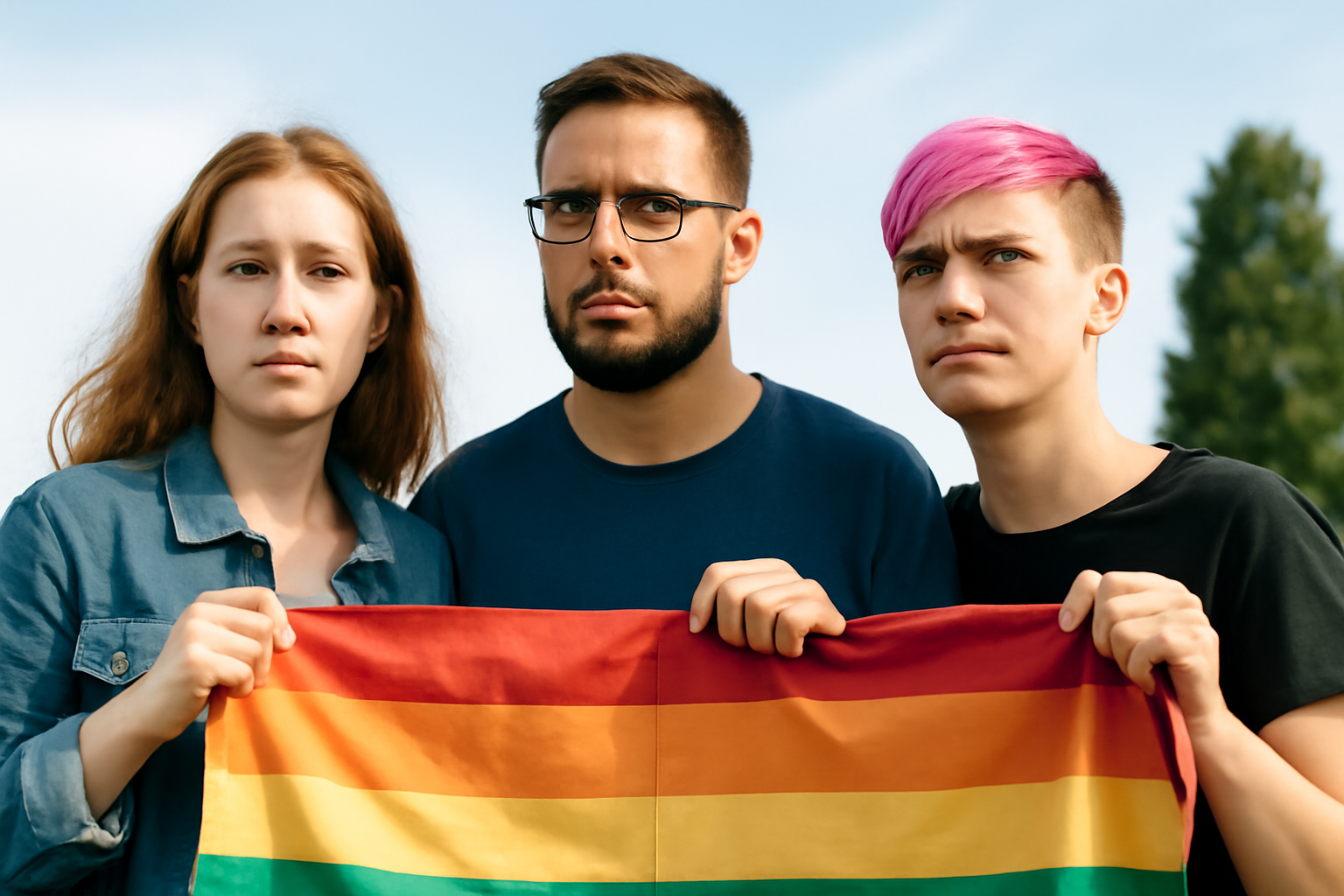
For many, Poilièvre's attempts at calming worries about legal same-sex marriage aren't cutting it. His comments on female spaces and gender-affirming care get a rough reception from human rights circles. Egale Canada's Helen Kennedy sees a bit too much political maneuvering, almost like a game, where LGBTQ+ rights might just be a pawn. After Trudeau's exit, Poilièvre wasted no time in pointing fingers, laying out his vision that calls heavily on protecting borders, tightening purse strings, and a very "Canada first" attitude. But with such rhetoric, minority groups can't help but feel they're in his crossfire. With elections on our doorstep, there's a palpable apprehension in LGBTQ+ circles about what a Conservative win might mean. But even with these clouds looming, there's a resilience, a determination among LGBTQ+ advocates and allies alike. They're ready—not just watching from a distance, but stepping up, speaking out, and rallying behind protecting those rights they hold dear, come what may.Related Posts
Supreme Court to Address State Bans on Trans Women in Female Sports
The upcoming U.S. Supreme Court term promises to be a pivotal moment for transgender rights, as the nation's highest court has agreed to evaluate whether states have the authority to prohibit transgender women from participating in female sports competitions. This case, scheduled to be argued in the next term beginning October, is expected to have a significant impact on the future of sports inclu [...]
Megan Rapinoe and Sue Bird Announce Amicable Separation After Ten Years Together
In a heartfelt announcement that resonated deeply within the sports and LGBTQ+ communities, soccer star Megan Rapinoe and basketball legend Sue Bird have revealed their decision to part ways after nearly a decade together. The couple, who have been icons both on and off the field, shared the news with their fans through a joint statement on social media, expressing that the choice was made with mu [...]
Groundbreaking Ruling Ends Sodomy Ban for Police and Military in the Dominican Republic
The Constitutional Court of the Dominican Republic recently delivered a landmark decision on November 18th, ruling that the nation’s police and armed forces are not permitted to criminalize consensual same-sex relations among their personnel. This pivotal ruling is a significant stride towards equality and the protection of LGBTQ+ rights within these institutions. A Resounding Victory for Equal [...]