
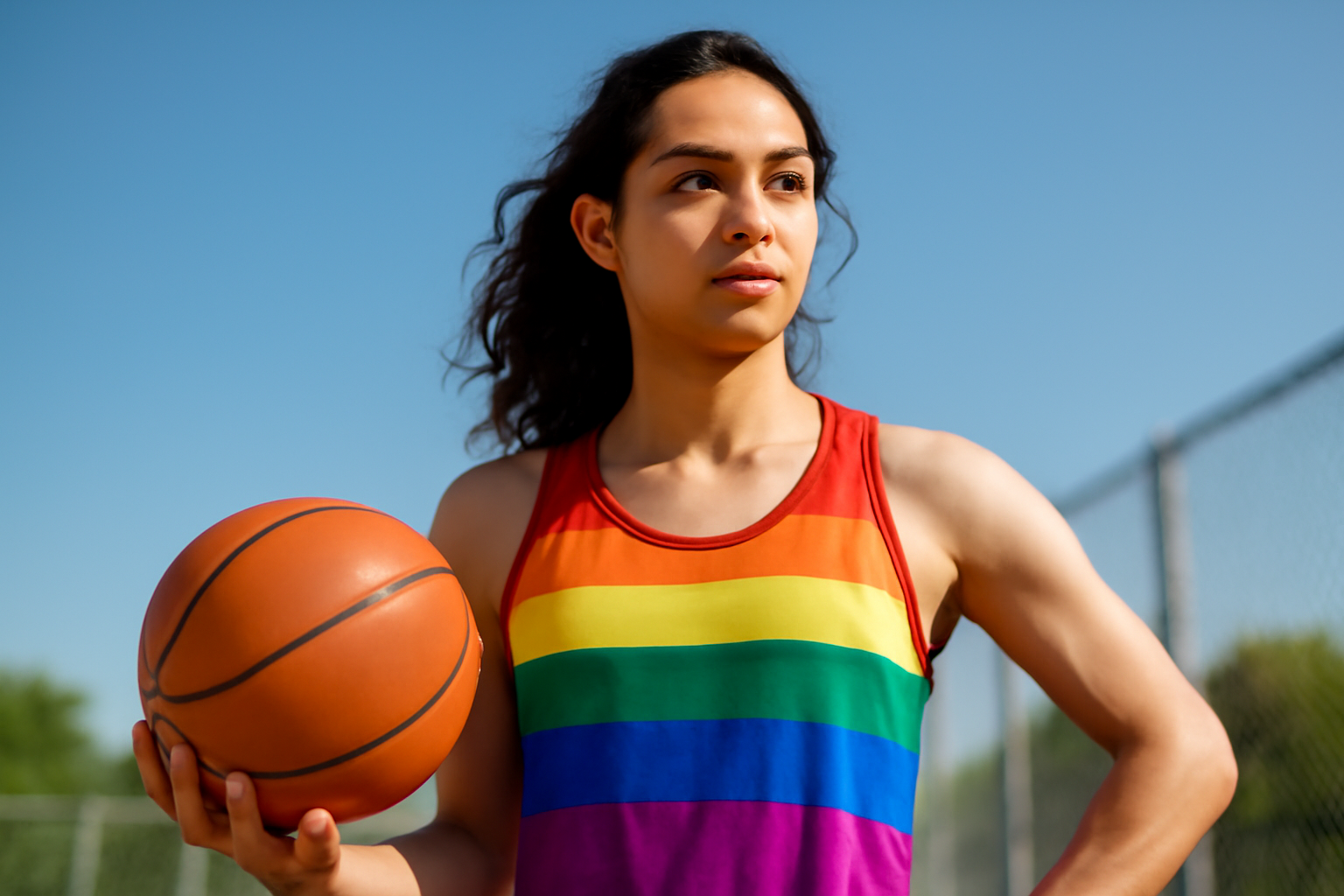
The ongoing debate on transgender athletes in sports
In recent years, there's been a heated debate about including transgender athletes in sports, especially in competitive and youth settings. Many discussions focus on whether transgender athletes have an "advantage," prompting some lawmakers' attempts at banning them. But amidst these heated debates, it's vital we ask: what's really behind these exclusions, and what impact do they have?What it means if we exclude transgender youth
Picture a young athlete facing personal challenges who finds solace and community in sports. For many transgender kids, sports aren't just about physical exercise; they're a vital part where they can socialize and grow. Yet, these safe havens are at risk due, in part, by policies that aim at exclusion based on gender identity. Critics say these bans aren't about fair play but about discrimination against transgender people. One advocate wisely pointed out that thinking a single transgender child could disrupt sports fairness seems both unfounded and ludicrous. These kids just want what every child wants: a chance play, compete, and be part a team.The myth behind "the unfair advantage"
A common argument against including transgender athletes in sports claims that transgender females have some "advantage" over cisgender athletes. But this perspective ignores that athleticism isn't just about biology; it's also about training, dedication, and talent. Moreover, policies targeting transgender athletes tend overlook diverse physical abilities across all genders. Critics say these bans are rooted more in fear and misunderstanding than in actual concern over fair competition. They stress there's no solid evidence showing transgender athletes threaten sports integrity. Instead, these bans disrupt transgender youth's sense belonging, denying them opportunities because their identity.Inclusion as a new norm in sports
Champions inclusivity argue we need policies supporting all athletes, regardless gender identity. They emphasize rules that prioritize transgender athletes' well-being and acceptance, rather than exclusion, which damages mental health and social growth. There's also a call educational programs that build understanding and support transgender individuals in sports. These initiatives seek break down stereotypes and nurture acceptance, ensuring sports are a welcoming space where everyone can thrive.The bigger societal picture
The debate over transgender athletes mirrors larger societal questions gender identity and equality. It makes us reconsider fairness—who's it truly fair? Should fairness mean everyone's right engage fully in society and its activities? Shouldn't it mean creating spaces where everyone, irrespective gender identity, can succeed and feel valued? As this conversation continues, it's key we remember those directly affected—young athletes whose lives hang in balance today's choices. Listening their voices and defending their rights isn't just about fairness; it's about justice and humanity. By shifting focus from exclusion toward inclusion, we can nurture a sporting culture that embodies equality and respect. Such transformation demands we listen, learn, and act in ways that uplift and empower all athletes, paving a path more inclusive, equitable future.Related Posts
Supreme Court to Address State Bans on Trans Women in Female Sports
The upcoming U.S. Supreme Court term promises to be a pivotal moment for transgender rights, as the nation's highest court has agreed to evaluate whether states have the authority to prohibit transgender women from participating in female sports competitions. This case, scheduled to be argued in the next term beginning October, is expected to have a significant impact on the future of sports inclu [...]
Megan Rapinoe and Sue Bird Announce Amicable Separation After Ten Years Together
In a heartfelt announcement that resonated deeply within the sports and LGBTQ+ communities, soccer star Megan Rapinoe and basketball legend Sue Bird have revealed their decision to part ways after nearly a decade together. The couple, who have been icons both on and off the field, shared the news with their fans through a joint statement on social media, expressing that the choice was made with mu [...]
Groundbreaking Ruling Ends Sodomy Ban for Police and Military in the Dominican Republic
The Constitutional Court of the Dominican Republic recently delivered a landmark decision on November 18th, ruling that the nation’s police and armed forces are not permitted to criminalize consensual same-sex relations among their personnel. This pivotal ruling is a significant stride towards equality and the protection of LGBTQ+ rights within these institutions. A Resounding Victory for Equal [...]