**Editor's Note:** This article touches on sensitive issues such as sexual violence, discrimination, and abuse. Please read with caution.
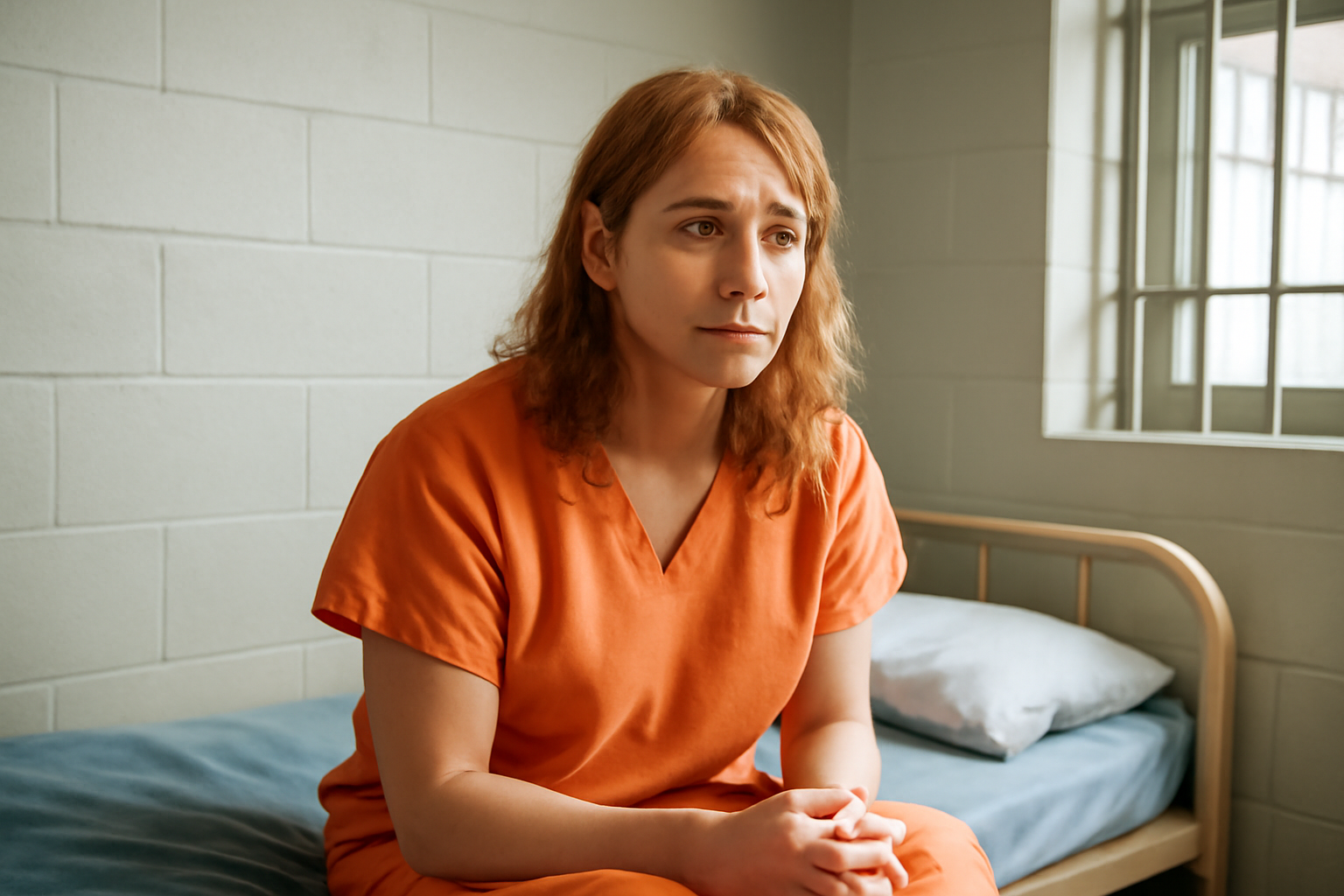
By Hope Pisoni | Life in Missouri's men's prison system has been incredibly tough on Lexie Handlang, a 38-year-old transgender woman and writer. Over her 11-year stay, Lexie's faced numerous hardships, even though she finds solace in writing children's fantasy stories about young trans protagonists. Recent political changes affecting transgender rights have only added more layers challenging her journey.
## Fear and hostility on The Rise
Lately, Lexie's fear and stress have escalated due, in part, because political actions have worsened conditions and rights accessibilities in prison. Even though an executive order technically targeted federal prisons, its effects have trickled down, creating a harsher climate in state prisons where discrimination against transgender individuals feels more apparent—and disturbingly permissible.
## The toll Of Growing Discrimination
The executive order required that transgender women be housed in men's prisons and cut federal funds dedicated toward gender-affirming care. This move has emboldened some prison staff, leading them toward mistreatment and making life less safe and more challenging. Kenna Barnes, who advocates tirelessly on behalf incarcerated trans persons, has observed, "Discrimination has increased everywhere in prisons. The staff now feels they have backing when acting against us."
## political pressures meet financial roadblocks
Even though these federal rules aren't supposed directly impact state prisons, efforts still emerge pushing similar policies. For example, funding was pulled from a state that let a transgender woman stay in a women-only facility, freezing favorable state policies. Andrea Balcer, a transgender woman behind bars, shared, "I feel like collateral damage in a battle between political powers." She's tried her best laying low, but media scrutiny has turned other inmates against her, making an already hard life even more difficult.
## hurdles in Accessing Gender-affirming Care
Over in California, Michelle Kailani Calvin—a key advocate pushing legislation so trans women can be housed in women-only prisons—has hit serious roadblocks when trying access gender-affirming medical care. She blames these drawn-out delays and denials on political pressure and funding threats, saying, "This foot-drag feels like a tactic."
## life in men's Prisons Versus women's Facilities
Yes, women's prisons come with their own set problems, but life in a men's prison poses much greater threats, especially toward trans women who face sexual assault and violence. Lexie and others have had their share traumatic experiences within this hostile environment, from both staff and fellow inmates. "In a men's prison, violence isn't just random; it's organized and deadly," Blackwell pointed out, underscoring how different safety levels really are.
## finding Strength through Advocacy and Support
Despite these challenges, trans women continue advocating fiercely on behalf each other. They share resources, impart life skills, and support each other in invaluable ways. Even when systems try oppression, they remain resolute fighting and standing up dignity. Patricia Trimble, who has years under her belt in this system, leans on her personal experiences pushing legal changes. She also supports trans peers grounded in collective strength. "It's about standing up those suffering within this oppressive system," she insists, highlighting collaborative effort required pushing meaningful change forward.
As these women confront day-to-day prison reality, they continue their fight basic rights and recognition, aiming toward future where dignity and respect aren't just dreams hut tangible realities.
