
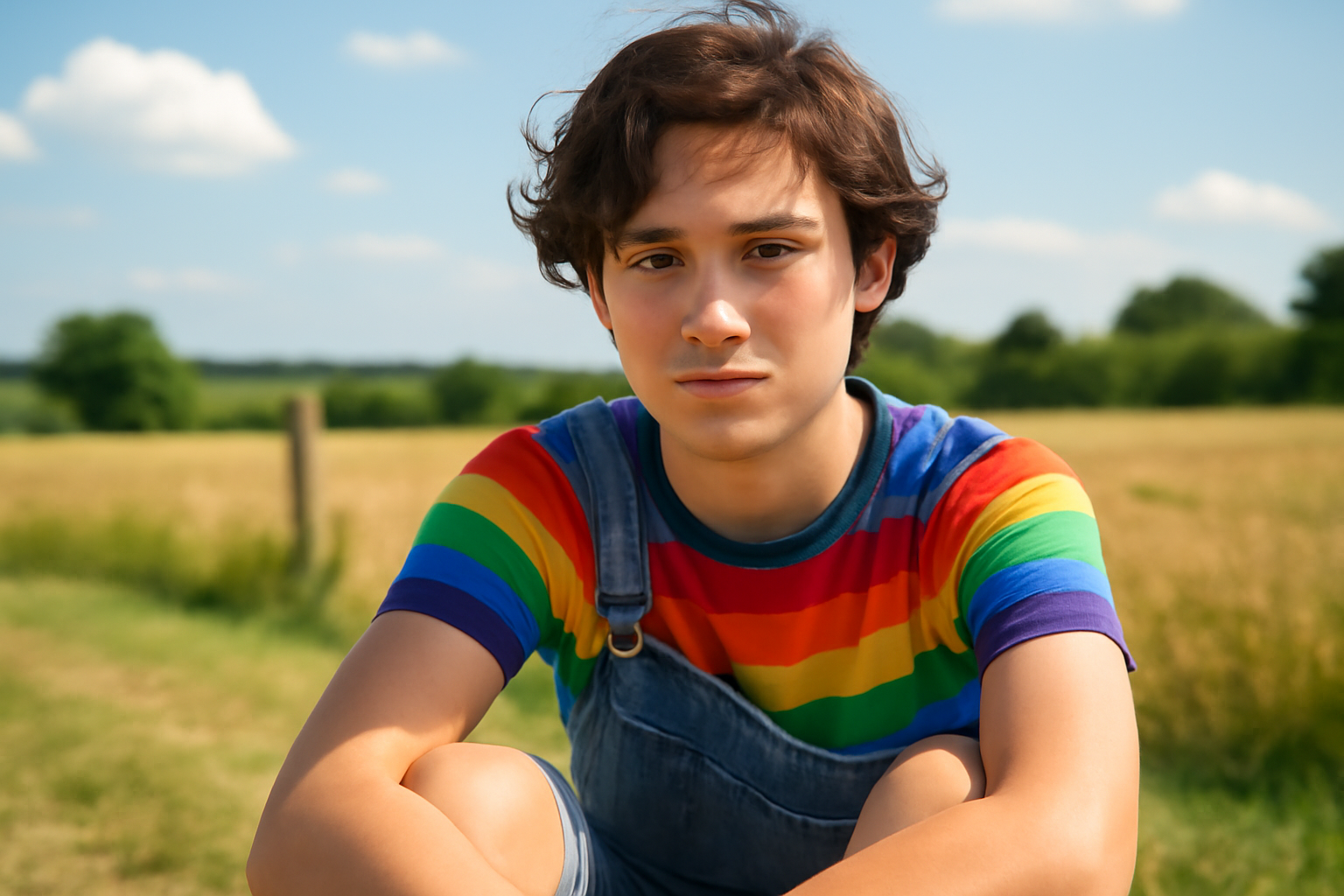
If you've ever pondered what life looks like through different lenses, a recent study offers an enlightening perspective on LGBTQ+ youth and their varied experiences based on where they live. Undertaken by Hopelab and Born This Way Foundation, this extensive research draws on insights from 1,267 LGBTQ+ individuals, aged 15-24, from across America. It shines a spotlight on how growing up in rural areas presents a unique set and often greater set, challenges compared with urban life when it comes down their sexual orientation or gender identity.
The report, named "Exploring Pride and Support in LGBTQ+ Young People in Rural Communities," launched on June 24, delves deep, contrasting these young folks' lives based on geography.
Diving Into The Study's Key Findings
Some findings from this study are hard-hitting and highlight a significant divide in available support systems:
- Just 28% percent—think about that—of rural LGBTQ+ youth feel their schools are supportive. Compare this with 49% in urban areas who feel bolstered by their educational spaces.
- Community backing? Even scarcer in rural locales, with only 13% feeling supported versus 35% in urban settings.
- At home, 47%of rural youth feel supported by their families, compared with 61% in urban environments.
But don't lose heart—it's not all bleak. This study also finds a silver lining. Rural LGBTQ+ youth often turn online, finding solace and support in virtual communities. They're a bit more inclined than urban peers—in supporting (76% vs. 70%) and being supported (57% vs. 51%) through these platforms.
How This Impacts Mental Health
The support shortfall takes a real toll on mental health. Among rural LGBTQ+ youth, 57% meet criteria suggesting they deal with depression, compared with 45% living in cities. And when it comes down their sense flourishing, rural youth score lower, at 43% compared with 52% in urban areas.
What really stands out, though, in this report, it's how vital strong family support proves it can be a game-changer. With backing from family, rural LGBTQ+ youth fare better, showing higher rates flourishing (50% vs. 35%) and lower depression rates (52% vs. 63%).
Despite these challenges, proudness stands firm. An impressive 85% rural LGBTQ+ youth express pride in their identity, almost toeing line with 86% urban youth.
Voices from Within
The heart and soul this study come alive through personal stories. One particularly moving testimony from a white, nonbinary young adult shares insight: "Being neurodivergent and queer in small town South, it means you likely don't friends. Finding people online opened that door being treated normally by peers. It changed who I am positively. I'd likely still be terribly depressed without them."
The quote beautifully captures how online spaces can transform lives, offering acceptance and understanding otherwise missing.
Parting Reflections
In wrapping up, this report highlights just how resilient rural LGBTQ+ youth are, despite their hurdles. They're finding new ways connect brace identities, even when faced with scarce direct support.
If you want dig deeper, Hopelab's site hosts full report. It paints a fuller picture reality rural LGBTQ+ youth face.
Recognizing these unique obstacles and support disparities in various geographic settings, it's key. Only through awareness and amplifying these voices, we can start fostering environments that are inclusive supportive everyone.
Related Posts
Supreme Court to Address State Bans on Trans Women in Female Sports
The upcoming U.S. Supreme Court term promises to be a pivotal moment for transgender rights, as the nation's highest court has agreed to evaluate whether states have the authority to prohibit transgender women from participating in female sports competitions. This case, scheduled to be argued in the next term beginning October, is expected to have a significant impact on the future of sports inclu [...]
Megan Rapinoe and Sue Bird Announce Amicable Separation After Ten Years Together
In a heartfelt announcement that resonated deeply within the sports and LGBTQ+ communities, soccer star Megan Rapinoe and basketball legend Sue Bird have revealed their decision to part ways after nearly a decade together. The couple, who have been icons both on and off the field, shared the news with their fans through a joint statement on social media, expressing that the choice was made with mu [...]
Groundbreaking Ruling Ends Sodomy Ban for Police and Military in the Dominican Republic
The Constitutional Court of the Dominican Republic recently delivered a landmark decision on November 18th, ruling that the nation’s police and armed forces are not permitted to criminalize consensual same-sex relations among their personnel. This pivotal ruling is a significant stride towards equality and the protection of LGBTQ+ rights within these institutions. A Resounding Victory for Equal [...]