
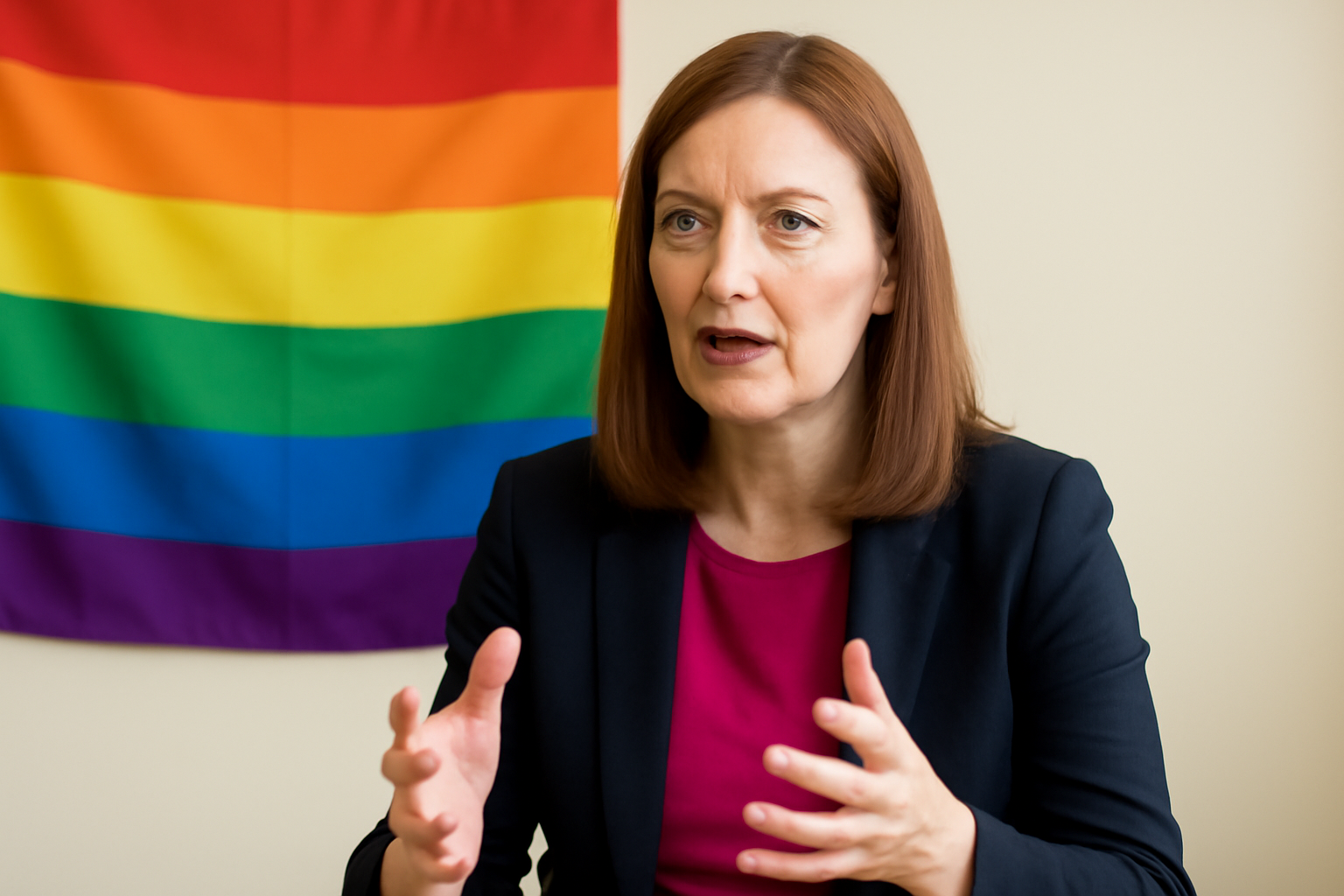
LGBTQ+ groups in UK urge parliamentary debate on equality updates
LGBTQ+ advocacy groups all over Britain are ramping up their efforts, pushing hard on lawmakers. They want Parliament talking about changes proposed by Equality and Human Rights Commission (EHRC) on its single-sex code guidance.
In a remarkable showstopper, over 80 organizations banded together, signing a heartfelt letter addressed straight at Bridget Phillipson, Minister For Women and Equalities. They're loudly calling on her—please, bring a “meaningful debate” on these issues inside Parliament. After all, EHRC's revisions are just around-the-corner from being published.
Why LGBTQ+ advocates are worried about EHRC changes
Everyone's buzzing about updates from Britain‘s equality monitor—the proposed changes have many in our LGBTQ+ community feeling uneasy. These updates hit right after an April Supreme Court ruling clarified what “woman” and “sex” mean under 2010's Equality Act.
The alarms are sounding because critics warn these changes might push transgender folks away from spaces matching their gender identity—think loos, changing rooms, even book clubs! Even more unsettling? The proposal might keep them out from areas tied back genetically, like their birth sex.
Why transparency and scrutiny are in demand
Once this new rulebook drops, it could sneak its path right past Parliament without so much as a nod. So, organizations like TransActual, Not A Phase, and Galop are taking action—they've gone public with an open letter. Their demand? Let Parliament—and us—have a full peek and chance at debate before any ink dries on this law.
Dated September 1st, this letter shines a glaring light on how secretive this process feels. It warns that “even glimpses” at these codes come only after ministers say yes, while MPs don't even get a debate—let alone vote—on such huge shifts in policy.
With caution flags flapping, they're calling out how “ministerial fiat” could dangerously sidestep Commons' power. They stress: no change should happen behind walls nobody sees past.
Besides reaching out towards Bridget Phillipson, these groups also dialed up Prime Minister Keir Starmer. Their plea? Let MPs dive deep, debate strongly over any EHRC guideline changes—a nod toward protecting human rights from tripping over political red lines.
Is this a ‘bigot's charter'? Critics think so
Criticism towards EHRC moves fast over these controversial tweaks they've pushed forward. Earlier this year, Green Party leader Carla Denyer raised her voice, worrying loudly about what new guidelines might mean. “These are big implications—trans folks could find themselves outing their identities just using a bathroom. That steals their privacy,” she said.
Denyer didn't stop there, though. She warned how this guidance might breed “bigot's charter” conditions where trans people might face bullying, harassment, or even violence.
Legal battles underway defending transgender rights
In a gutsy move, Victoria McCloud—the UK's first openly trans judge (now retired)—is challenging a Supreme Court decision right at Europe‘s doorstep. McCloud claims this decision crosses lines drawn by Europe‘s human rights conventions.
She called out top judges who didn't consult with any transgender individuals before laying down their verdict. “You can't change our rights without talking with us,” McCloud rightly pointed out.
Jump in on this conversation below—share your take but please keep things civil. Every voice counts as we push onwards toward more inclusive futures all around!
Related Posts
Supreme Court to Address State Bans on Trans Women in Female Sports
The upcoming U.S. Supreme Court term promises to be a pivotal moment for transgender rights, as the nation's highest court has agreed to evaluate whether states have the authority to prohibit transgender women from participating in female sports competitions. This case, scheduled to be argued in the next term beginning October, is expected to have a significant impact on the future of sports inclu [...]
Megan Rapinoe and Sue Bird Announce Amicable Separation After Ten Years Together
In a heartfelt announcement that resonated deeply within the sports and LGBTQ+ communities, soccer star Megan Rapinoe and basketball legend Sue Bird have revealed their decision to part ways after nearly a decade together. The couple, who have been icons both on and off the field, shared the news with their fans through a joint statement on social media, expressing that the choice was made with mu [...]
Groundbreaking Ruling Ends Sodomy Ban for Police and Military in the Dominican Republic
The Constitutional Court of the Dominican Republic recently delivered a landmark decision on November 18th, ruling that the nation’s police and armed forces are not permitted to criminalize consensual same-sex relations among their personnel. This pivotal ruling is a significant stride towards equality and the protection of LGBTQ+ rights within these institutions. A Resounding Victory for Equal [...]