
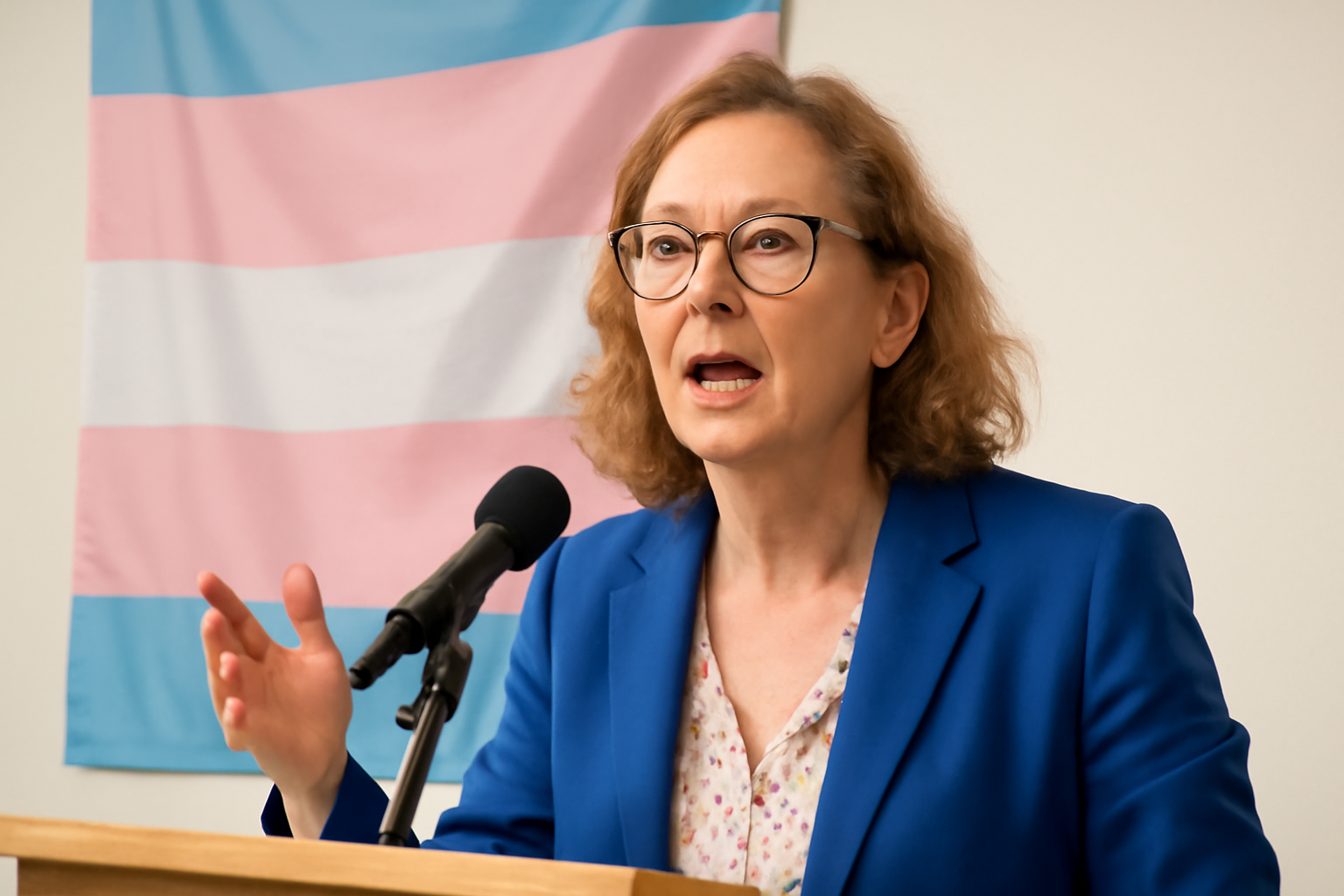
Dr. Victoria McCloud, a former judge and a well-known advocate in transgender rights circles, has recently made a passionate call. She wants international organizations, like Genocide Watch and The Lemkin Institute, on board. Her mission? To shine a light on what she sees as systematic oppression faced by transgender individuals in Britain.
During a keynote speech at Pride In London's Human Rights Forum, McCloud didn't hold back. "It's my solemn duty," she insisted, "to bring attention back home—to how trans people in Britain are being treated."
Challenges facing transgender individuals
Dr. McCloud wasn't vague about what these challenges are. From bathroom bans and violence, right down social shunning, it all piles up against transgender individuals—effectively pushing them out. "We're seeing cases where trans women are being searched by male officers, and even suggestions that we should be photographed in private spaces," she warned.
How legal rulings are affecting trans rights
What really got Dr. McCloud fired up was a UK Supreme Court decision. It interpreted "sex" in 2010's Equality Act as "biological sex." It's a ruling even Prime Minister Keir Starmer backs, and it's got trans rights advocates up in arms. The EHRC followed this with provisional guidance, suggesting trans folks be barred from spaces that match their gender identity. Dr. McCloud slammed this advice, suggesting it teeters dangerously close towards cultural genocide.
What does cultural genocide mean?
Raphael Lemkin first coined "cultural genocide" in 1944. It means wiping out a culture without physically harming its people. Dr. McCloud argues that UK policies might be heading in this direction. The Lemkin Institute has even flagged gender-critical ideologies as potentially harmful, arguing they aim at delegitimizing transgender identities.
A European look at transgender rights
Several UK transgender advocacy groups are calling on Europe. They've penned a letter, full with "grave concerns," asking Europe's Committee on Legal Affairs and Human Rights looking at how Britain treats its transgender community. The letter pulls no punches, blasting EHRC's guidance and saying it promotes shutting out trans people from spaces, violating human rights. "We urge action now," it demands.
Key legal cases and insights
The case everyone talks about? Christine Goodwin vs. UK at 2022's ECHR. The argument was simple: Britain wasn't recognizing her gender identity. It highlights fears that Britain might be backsliding on international human rights commitments. Legal hounds like Jess O'Thomson from Trans+ Solidarity Alliance have gone so far as calling EHRC's guidance a blatant violation, noting its chilling effects even before it's enacted. "We've used these facilities forever," O'Thomson said, "but now, they're being snatched away."
Why international scrutiny and advocacy matter
As debates heat up, international scrutiny became more critical. Will it drive real change? That's what many in LGBTQ+ circles are hoping—policies that finally respect and protect transgender rights in Britain. We're inviting our readers contribute, comment, and keep this dialogue going.
Tags: Transgender Rights, UK Politics, LGBTQ+ Advocacy, Human Rights, Cultural Genocide
Related Posts
Supreme Court to Address State Bans on Trans Women in Female Sports
The upcoming U.S. Supreme Court term promises to be a pivotal moment for transgender rights, as the nation's highest court has agreed to evaluate whether states have the authority to prohibit transgender women from participating in female sports competitions. This case, scheduled to be argued in the next term beginning October, is expected to have a significant impact on the future of sports inclu [...]
Megan Rapinoe and Sue Bird Announce Amicable Separation After Ten Years Together
In a heartfelt announcement that resonated deeply within the sports and LGBTQ+ communities, soccer star Megan Rapinoe and basketball legend Sue Bird have revealed their decision to part ways after nearly a decade together. The couple, who have been icons both on and off the field, shared the news with their fans through a joint statement on social media, expressing that the choice was made with mu [...]
Groundbreaking Ruling Ends Sodomy Ban for Police and Military in the Dominican Republic
The Constitutional Court of the Dominican Republic recently delivered a landmark decision on November 18th, ruling that the nation’s police and armed forces are not permitted to criminalize consensual same-sex relations among their personnel. This pivotal ruling is a significant stride towards equality and the protection of LGBTQ+ rights within these institutions. A Resounding Victory for Equal [...]