
Facing financial fallout
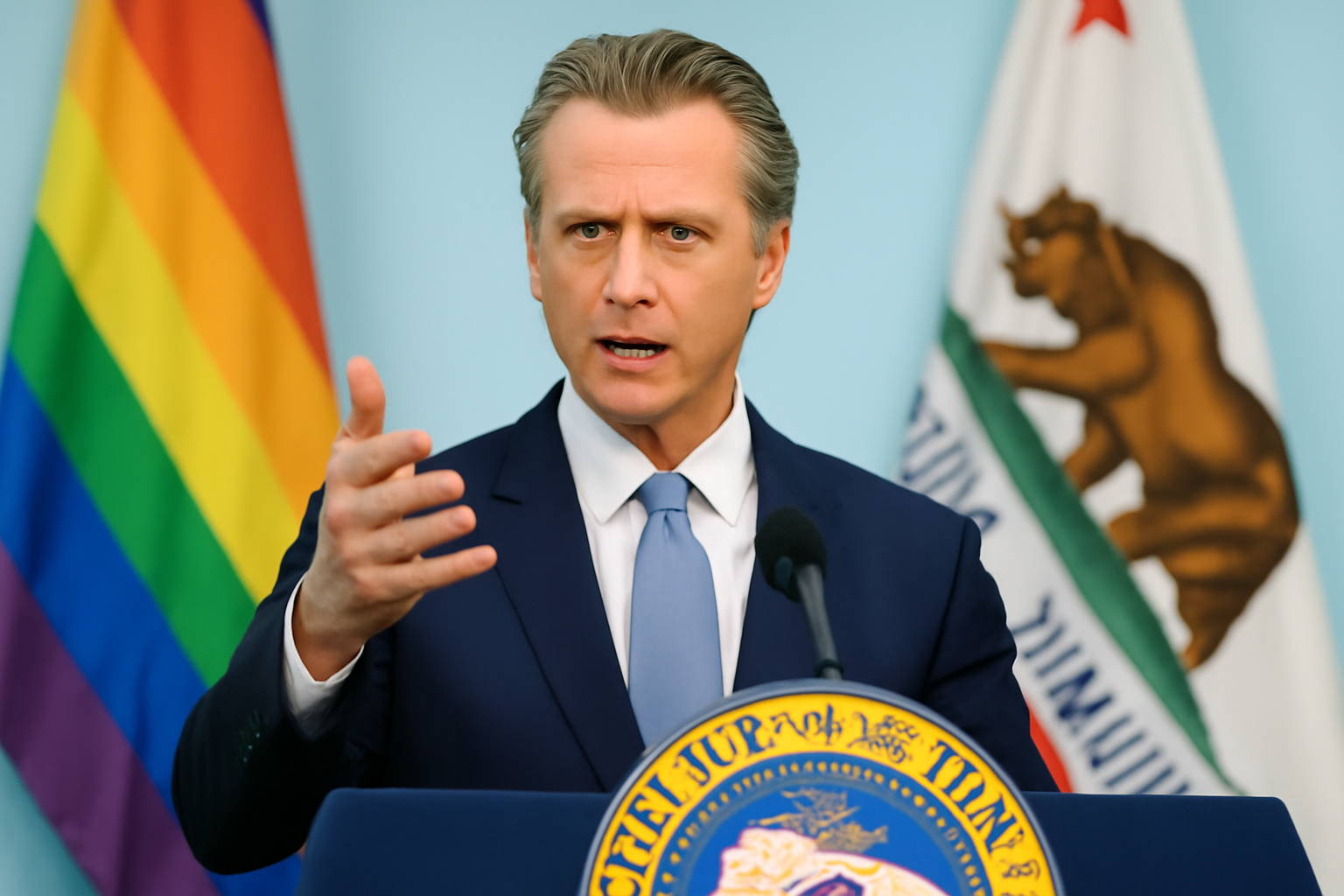
Governor Newsom didn't mince words during his address. He made it clear: "If any university in California goes along with this extreme federal proposal, they'll see billions in state funding, including essential student aid like Cal grants, disappear. California won't stand behind institutions that turn their backs on their students, faculty, and researchers by giving up academic freedom." The federal plan, called "Compact For Academic Excellence In Higher Education," has stirred up quite a controversy. Critics say it's an attempt not only at boxing out diversity but also hampering academic independence. It offers "priority" access but at what cost?The federal demands that raise eyebrows
This compact, packed with a contentious ten-point agenda, pushes universities towards excluding transgender students from facilities like bathrooms and locker rooms. It even suggests evaluating faculty based on political alignment, supposedly curbing bias against conservative views. Critics argue it's a threat, not just a suggestion, that shakes educational institutions' independence. Ted Mitchell, president at American Council On Education, called it a significant threat, branding it as a "grave precedent" with intentions that seem too much like power play by federal entities. “It looks like a strategy designed not just as a proposal, but as a wedge in higher education,” Mitchell told major news outlets, underlining its potentially harmful impact. “My hope? This proposal gets shown just how wrong it actually could be.”Reaction and repercussions
Educators and policymakers are in an uproar, viewing this federal move as an assault on independence and a misuse, some might say, a manipulation, using taxpayer dollars. Governor Newsom's opposition seems like a breath, or rather a shout, against political interference in education. He vows that California will defend its core values and academic freedom, no matter what. Some universities are pushing back against federal pressure, while others are considering pulling up a chair at negotiation tables. The list isn't short, involving both public and private institutions, showing just how far-reaching this proposal really aims.In historical context
This isn't happening in a vacuum. The federal administration's campaign aims at reshaping higher education across America. For some, it echoes past actions against universities that have been vocal in their criticism. And with whispers about Stephen Miller, a key advisor possibly harboring grudges from his own college days, motivations here look a bit murky. The compact comes hand-in-hand with a letter from federal bigwigs, painting these demands as an "opportunity" rather than coercion. Still, many university heads are approaching it with skepticism and prudence, wary about what it could mean long-term.The road ahead
With state and federal pressure simultaneously bearing down, how universities respond remains up in air. Could Newsom's decisive stand inspire other states? It's a test case that might just set trends nationwide. This tug-of-war could leave lasting marks on higher education. As state values and federal influence duke it out, everyone from educators, students, and policymakers, will be watching closely. How will this all play out in shaping academic freedom and diversity within education? Stay in-the-know with these pivotal changes by subscribing. Get all your LGBTQ+ and educational news without missing a beat.Related Posts
Supreme Court to Address State Bans on Trans Women in Female Sports
The upcoming U.S. Supreme Court term promises to be a pivotal moment for transgender rights, as the nation's highest court has agreed to evaluate whether states have the authority to prohibit transgender women from participating in female sports competitions. This case, scheduled to be argued in the next term beginning October, is expected to have a significant impact on the future of sports inclu [...]
Megan Rapinoe and Sue Bird Announce Amicable Separation After Ten Years Together
In a heartfelt announcement that resonated deeply within the sports and LGBTQ+ communities, soccer star Megan Rapinoe and basketball legend Sue Bird have revealed their decision to part ways after nearly a decade together. The couple, who have been icons both on and off the field, shared the news with their fans through a joint statement on social media, expressing that the choice was made with mu [...]
Groundbreaking Ruling Ends Sodomy Ban for Police and Military in the Dominican Republic
The Constitutional Court of the Dominican Republic recently delivered a landmark decision on November 18th, ruling that the nation’s police and armed forces are not permitted to criminalize consensual same-sex relations among their personnel. This pivotal ruling is a significant stride towards equality and the protection of LGBTQ+ rights within these institutions. A Resounding Victory for Equal [...]