
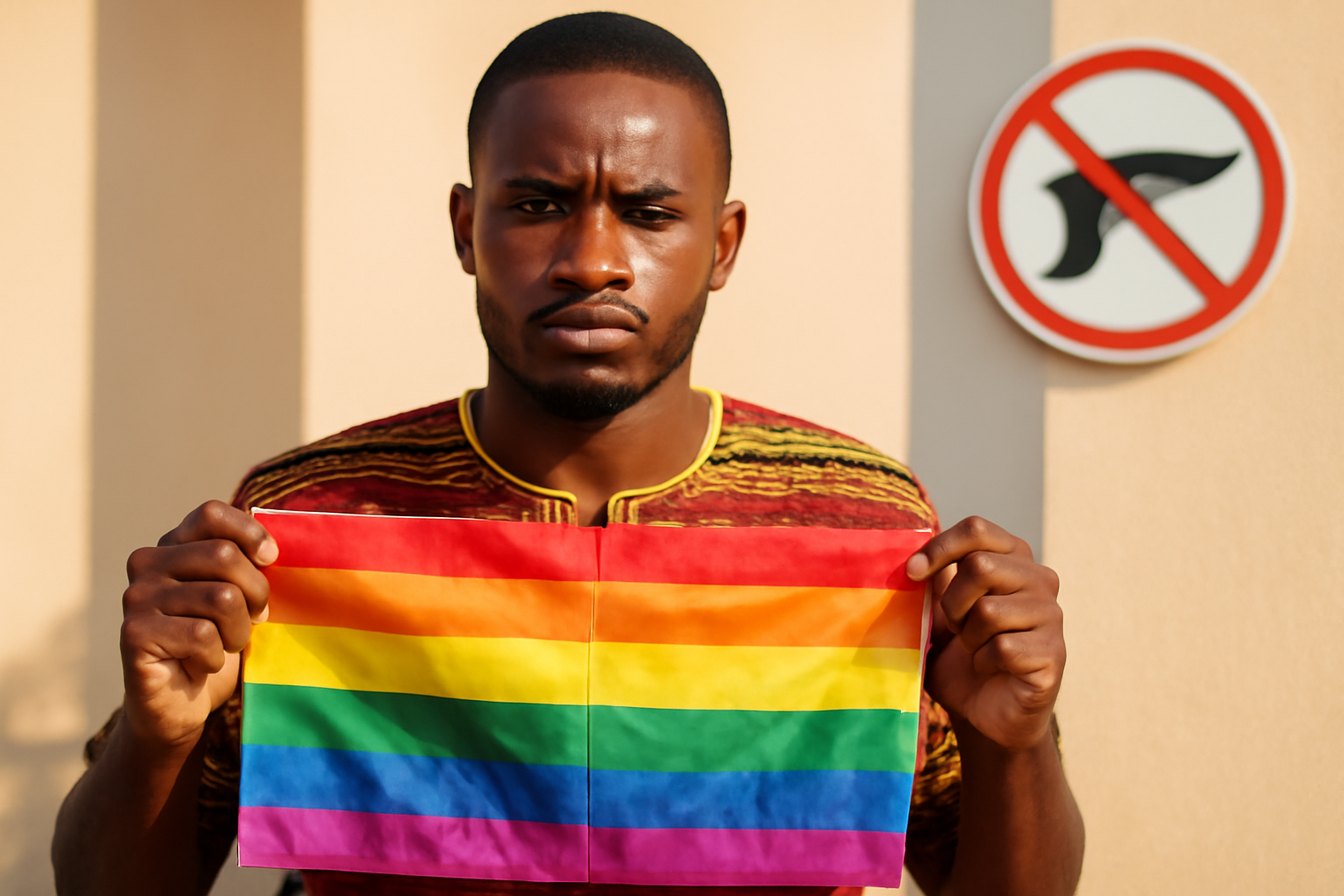
In a striking turn, Burkina Faso's political scene has taken a harsh blow as its ruling military junta has enacted a law that criminalizes homosexuality. This move, unanimously passed by their transitional parliament, introduces severe penalties and feels like a severe setback in human rights advancements.
A closer look at Burkina Faso's new legislation
Justice Minister Edasso Rodrigue Bayala announced that under this new law, individuals found guilty are looking at prison sentences from two up five years, plus fines. Bayala emphasized that any "non-conformist behavior" tied with homosexuality would bring about legal consequences, including jail time. This isn't just about citizens - foreigners caught up in this could face deportation as well.
This move takes Burkina Faso in a dramatically different direction. It used be one only 22 African nations where same-sex relationships weren't criminalized. Now, it seems part a larger initiative by this transitional government redefine cultural and legal landscapes.
Political unrest in Burkina Faso
Since September 2022, a military junta has been calling shots in Burkina Faso following a coup that deposed Interim President Paul-Henri Sandaogo Damiba. The nation was already grappling with civil unrest due persistent failures in countering Islamist insurgencies.
In this volatile environment, Captain Ibrahim Traoré, leading this military government, seems pivoting Burkina Faso from its usual ties with France towards Russia. The controversial anti-gay law, endorsed by 71 unelected transitional parliament members, fits within a bigger picture where government-run campaigns push family and citizenship reforms.
Ripples across borders: global and regional impacts
Human rights advocates have been loud in their disapproval, calling out this law as a fundamental violation. Many accuse Burkina Faso's government wielding its power suppress opposition while pushing backwards policies. Alarming reports about mass arrests and conscripting government critics add fuel concerns over eroding civil freedoms.
Regionally, Burkina Faso's action echoes shifts seen in nearby nations. Late 2024 saw Mali enact similar bans while Ghana and Uganda have cranked up their own anti-LGBTQ+ measures over recent years. Obviously, there's growing trend against LGBTQ+ rights across parts Africa.
This new law has immediate, chilling effects on Burkina Faso's LGBTQ+ community, leaving many worried about their safety and what tomorrow may hold. Activists urging international community urge Burkinabe government repeal this law and protect rights every citizen, no matter who they love.
Looking ahead: what might come
As new law starts taking hold, its effects could shake up both internal politics and international relations. Observers are paying close attention as this government navigates mounting global criticism alongside its internal tests.
For those directly impacted, it's a time filled with uncertainty. The global community, human rights advocates, and local activists need stay alert and loud in opposing laws attacking human dignity and equality.
To stay informed on LGBTQ+ rights globally, consider subscribing our newsletter. Together, we can push change and back those whose voices are being muffled.
Related Posts
Supreme Court to Address State Bans on Trans Women in Female Sports
The upcoming U.S. Supreme Court term promises to be a pivotal moment for transgender rights, as the nation's highest court has agreed to evaluate whether states have the authority to prohibit transgender women from participating in female sports competitions. This case, scheduled to be argued in the next term beginning October, is expected to have a significant impact on the future of sports inclu [...]
Megan Rapinoe and Sue Bird Announce Amicable Separation After Ten Years Together
In a heartfelt announcement that resonated deeply within the sports and LGBTQ+ communities, soccer star Megan Rapinoe and basketball legend Sue Bird have revealed their decision to part ways after nearly a decade together. The couple, who have been icons both on and off the field, shared the news with their fans through a joint statement on social media, expressing that the choice was made with mu [...]
Groundbreaking Ruling Ends Sodomy Ban for Police and Military in the Dominican Republic
The Constitutional Court of the Dominican Republic recently delivered a landmark decision on November 18th, ruling that the nation’s police and armed forces are not permitted to criminalize consensual same-sex relations among their personnel. This pivotal ruling is a significant stride towards equality and the protection of LGBTQ+ rights within these institutions. A Resounding Victory for Equal [...]