
Every February, Black History Month rolls around, and it often feels like we're seeing a polished version that's a bit too neat and tidy, missing out on many pivotal shifts that've shaped our society. It's a time filled with corporate nods, snippets from Martin Luther King Jr.'s speeches that lose their deeper meaning, and politicians who claim solidarity with Black struggles while, in reality, working against civil rights. It can feel a bit superficial, can't it?
For those who, like me, identify as Black, queer, and leftist, Black history isn't something we just dip our toes in once a year. It courses through our daily lives—it's an everlasting journey full not just with creation, but also resistance.
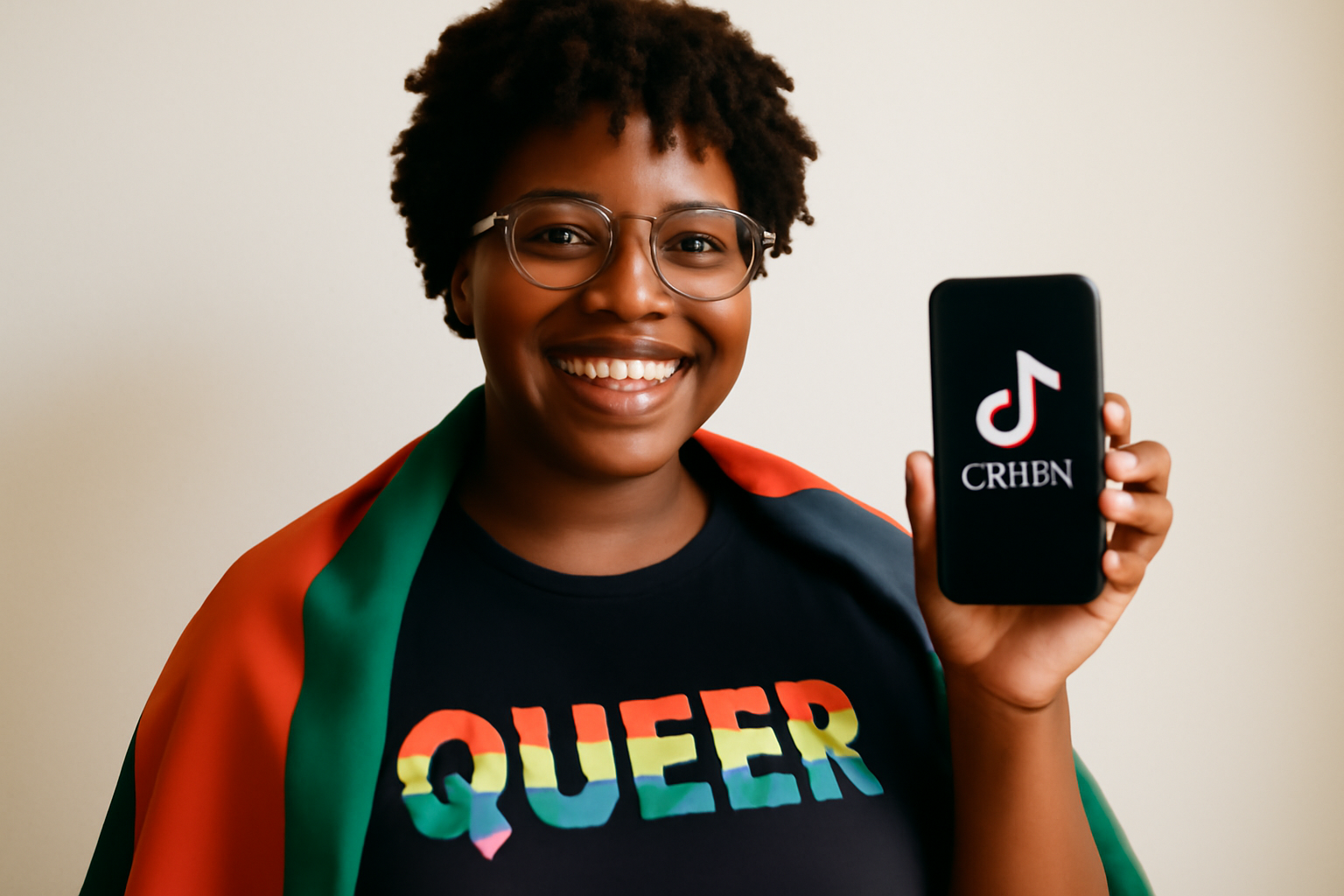
Believe it or not, one surprisingly powerful place we're continually crafting this history? TikTok. The app isn't just about lip-syncs and dance challenges anymore. It has become a vital platform, spreading abolitionist and anti-capitalist ideas far and wide, reaching folks beyond those traditional activist circles who feel this urgent call.
TikTok: where radical Black queer voices thrive
When I launched my book, "The Clear Seeds Of Chaos: Foundations Of Chaos Collectism," I knew right off that mainstream media would probably steer clear. After all, it challenges state power and capitalism. Major outlets rarely lift up Black queer leftist voices pushing beyond simple politics or reform.
But I'm not in this alone. There are thousands who are eager, searching out new ways towards liberation, looking out new ways, connecting, and strategizing resistance. TikTok has become a vibrant hub where we can gather collectively. Thanks largely in part due comments and duets and live debates mirroring how Black radical thinkers historically exchanged ideas beyond regular institutions.
From Twitter flame-outs over TikTok
For years, Black Twitter wasn't just a website. It represented a buzzing environment shaping Black culture, driving politics, and turning viral moments directly transferable real-world action. It was a collective space where Black queer leftists, often sidelined in typical Black activism narratives, discovered their voices and community.
Then, things shook up drastically when Elon Musk took over Twitter. Hate speech skyrocketed, far-right accounts returned, and Black and queer voices who dared call out harassment faced suspension. It was a mess, forcing many, including me, seeking a fresh online haven—this brought us straight over TikTok.
TikTok isn't just another app—it's a dynamic space we're passionately building upon. Here, we're not solely sharing content; we're congregating, educating, strategizing, resisting—all in real-time. TikTok fosters connections Twitter never could.
Creating community and resistance on TikTok
On TikTok, we're hosting lively sessions with other Black queer leftists nationwide, diving deep on how capitalism and white supremacy aim at us, brainstorming how we can push back. We're exploring cooperative economies that thumb at state control and finding ways radical movements thrive beyond social media. Amidst all this, we carve out space where joy thrives—whether it's laughter, music, dance, or moments filled with care. Recognizing joy itself turns out a form resistance.
Black queer individuals on TikTok flipped a platform, not initially meant organizing, mutual aid, or political education, right on its head—it's grown a liberation powerhouse. Maybe it's why there's a push back stifling our voices, potentially shutting down this app.
Picture a platform where abolitionist politics are open millions, mutual aid flourishes outside state grip, and people learn organizing devoid political figures. That idea unsettles a power-reliant government concerned about keeping their hold. They might try silencing us, shadowbanning content, freezing accounts, even threatening app's existence, but they underestimate resilience.
Weaving together a legacy resistance
During Black History Month, they tell us reflect upon past, celebrate victories folks before us. Yet what we're building now holds significant Black history roots. Black queer leftists on TikTok—organizing, educating, resisting—become part an ongoing Black resistance tradition. History teaches that despite silencing attempts, we continuously find organizing ways, building power even along edges.
This month and onward, we're not just reflecting upon history—we're living it, creating it. Every live session, each educational moment, every challenge tackling systems not designed us are steps forward enduring journey. We remain here, we're building, they cannot suppress what they fail containing.
Related Posts
Supreme Court to Address State Bans on Trans Women in Female Sports
The upcoming U.S. Supreme Court term promises to be a pivotal moment for transgender rights, as the nation's highest court has agreed to evaluate whether states have the authority to prohibit transgender women from participating in female sports competitions. This case, scheduled to be argued in the next term beginning October, is expected to have a significant impact on the future of sports inclu [...]
Megan Rapinoe and Sue Bird Announce Amicable Separation After Ten Years Together
In a heartfelt announcement that resonated deeply within the sports and LGBTQ+ communities, soccer star Megan Rapinoe and basketball legend Sue Bird have revealed their decision to part ways after nearly a decade together. The couple, who have been icons both on and off the field, shared the news with their fans through a joint statement on social media, expressing that the choice was made with mu [...]
Groundbreaking Ruling Ends Sodomy Ban for Police and Military in the Dominican Republic
The Constitutional Court of the Dominican Republic recently delivered a landmark decision on November 18th, ruling that the nation’s police and armed forces are not permitted to criminalize consensual same-sex relations among their personnel. This pivotal ruling is a significant stride towards equality and the protection of LGBTQ+ rights within these institutions. A Resounding Victory for Equal [...]