
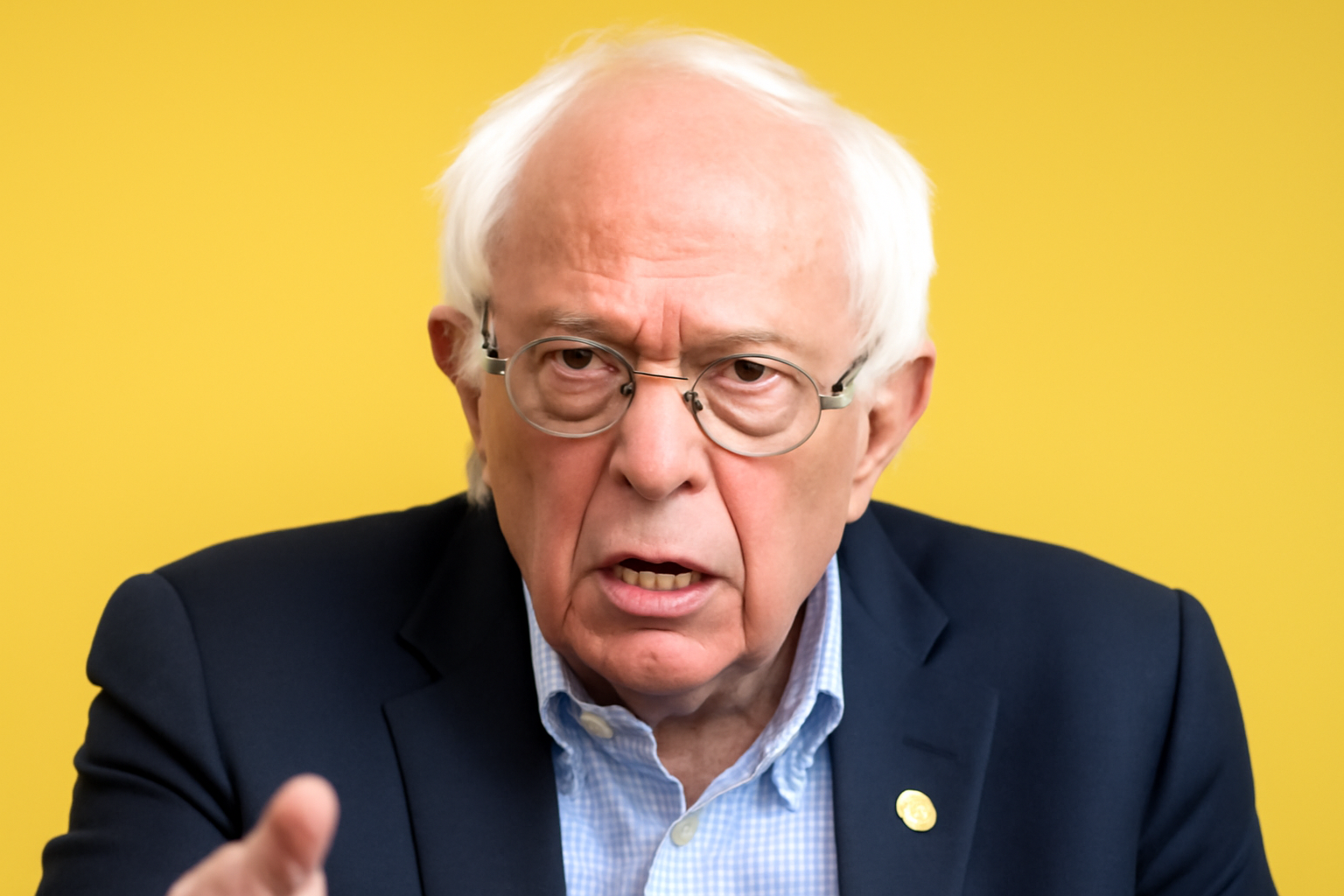
On a recent podcast, Vermont Senator Bernie Sanders stirred up some lively debate with his take on "identity politics" and its role in today's political arena. Known as a champion on progressive issues, Sanders suggested that some Democrats might be focusing a bit too much on identity politics, which could be taking attention away from important discussions about class and economic inequality.
Bernie Sanders' thoughts on identity politics
Bernie Sanders, who ran in 2016 and 2020 as a Democratic presidential hopeful, took aim at what he calls "the liberal elite" and their use, or misuse, it seems, according ), f identity politics. While he acknowledges that it's vital we include marginalized groups like Black and LGBTQ+ communities, he warns that these considerations shouldn't drown out basic questions like, "What do you stand for?" Sometimes, he believes, this emphasis diverts attention from deeper policy debates.
Talking about identity politics, Sanders was pretty candid: "We get to this thing called 'identity politics.' You're Black, you're tremendous, you're wonderful. You're gay, you're the greatest thing on Earth, rather than say: what do you stand for?" Clearly frustrated, Sanders, who's now an independent, pointed out that these identity discussions can stall meaningful policy engagement.
Allegations and reactions
During his podcast appearance, Sanders was also asked about some heavy allegations—racism and misogyny among his supporters during his 2016 clash with Hillary Clinton. His take? He believes that what he calls "the Democratic establishment," seen by him as a hurdle toward genuine democracy, teamed up with mainstream media to spin a "myth" about his followers. Sanders insists that painting his diverse crowd, full of young people and folks of color, as bigoted is misleading.
How folks are reacting
Sanders' comments have drawn a mixed bag of reactions. Some critics accused him of pandering to those who resist diversity, equity, and inclusion (DEI) initiatives. Commentator Christopher Webb didn't hold back in his critique, suggesting that Sanders seemed to blame marginalized communities, like BIPOC and LGBTQ+ folks, for his political hurdles. Nonetheless, Sanders stressed that battling all forms of bigotry—including racism, sexism, homophobia, and xenophobia—remains a top priority. He also challenged assumptions that every marginalized person is "brilliant" or "wonderful," urging a focus on policies and collective action.
Revisiting class politics
Sanders called for a shift toward class politics and broader economic concerns that affect everyone, regardless of identity. He posed essential questions: "Will you stand with working families? Are you going to raise the minimum wage to a living wage? Will you fight for universal healthcare, or won't you? Are you going to insist that the wealthiest pay their fair share of taxes, or not?" For Sanders, these are the pressing issues that shouldn't get overshadowed by identity concerns. "Those are the issues. No one cares what color you are or what your gender is," he said.
Bernie's unwavering commitment
Despite stirring controversy, Sanders has always advocated for ending discrimination across America. He's emphasized standing with LGBTQ+ communities and other marginalized groups in combating inequality. His "Fighting the Oligarchy Tour" across the country was all about motivating Democratic voters and addressing their unease about where America is headed under Republican leadership.
Sanders' comments have sparked some important conversations about how we balance identity and policy in our political discourse. While some view his statements as challenging current norms, others see them as a necessary reminder to prioritize policies that affect everyone.
As this debate rolls on, Sanders remains a polarizing force in American politics, pushing for systemic change while grappling with the complex interplay of identity and representation in our modern political climate.
What do you think about all this? We'd love to hear your thoughts, but let's keep it respectful and constructive in the comments below.
Related Posts
Supreme Court to Address State Bans on Trans Women in Female Sports
The upcoming U.S. Supreme Court term promises to be a pivotal moment for transgender rights, as the nation's highest court has agreed to evaluate whether states have the authority to prohibit transgender women from participating in female sports competitions. This case, scheduled to be argued in the next term beginning October, is expected to have a significant impact on the future of sports inclu [...]
Megan Rapinoe and Sue Bird Announce Amicable Separation After Ten Years Together
In a heartfelt announcement that resonated deeply within the sports and LGBTQ+ communities, soccer star Megan Rapinoe and basketball legend Sue Bird have revealed their decision to part ways after nearly a decade together. The couple, who have been icons both on and off the field, shared the news with their fans through a joint statement on social media, expressing that the choice was made with mu [...]
Groundbreaking Ruling Ends Sodomy Ban for Police and Military in the Dominican Republic
The Constitutional Court of the Dominican Republic recently delivered a landmark decision on November 18th, ruling that the nation’s police and armed forces are not permitted to criminalize consensual same-sex relations among their personnel. This pivotal ruling is a significant stride towards equality and the protection of LGBTQ+ rights within these institutions. A Resounding Victory for Equal [...]