
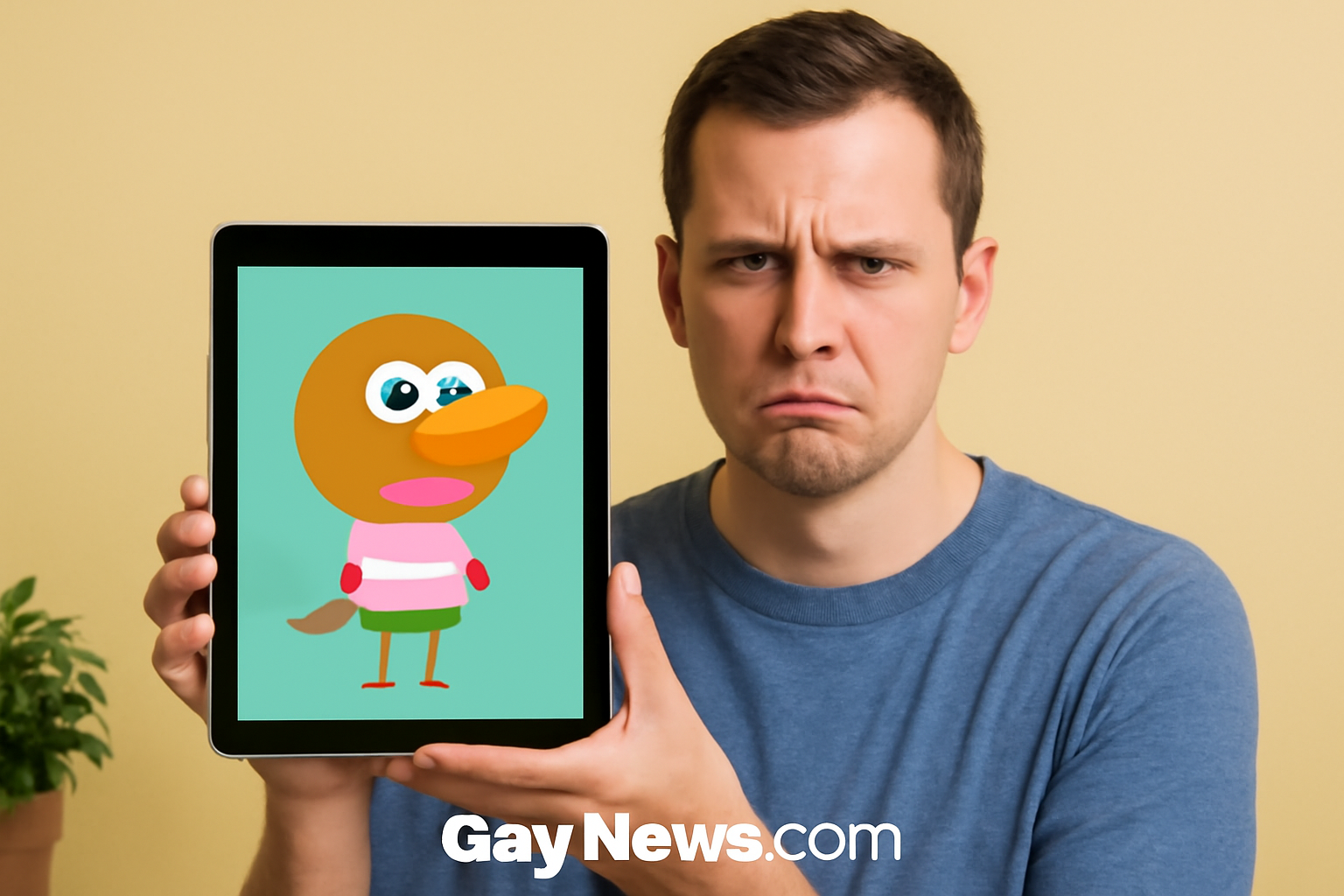
debate over CBeebies character Wren in *Hey Duggee*
The much-loved show *Hey Duggee* on CBeebies has found itself in hot water recently. The furor stems from an episode titled "Sibling Badge," where a new raccoon character, Wren, was introduced using they/them pronouns. This sparked quite a bit from some right-wing circles.
the episode that caused a stir over gender roles
So, in this particular episode, Roly, a squirrel, finds out he's going a new sibling. Alongside other animal introductions, Wren makes an appearance. Some news outlets mentioned parents found Wren's gender depiction "confusing" and even "not right" five-year-olds. The pronoun usage seemed the hot button issue.\
is it age-appropriate?
Some critics, including voices from gender-critical groups, argue that little kids, say around three or five, aren't ready grasp non-binary pronouns. They accuse BBC being politically slanted and violating impartiality guidelines by introducing Wren. But BBC insiders beg disagree. They say Wren was just passing through, and no official complaints have been made. "Wren” isn't a non-binary character," they clarified.
the BBC's promise: everyone belongs
Responding the criticism, a BBC spokesperson affirmed their mission make content that fits families with young kids. "Everyone is welcome at CBeebies," they said, indicating Wren was never intended be seen non-binary.
In this statement, they underline their commitment have their shows be inclusive while steering clear political agendas. The BBC wants parents feel assured that CBeebies' priority is diverse and enriching content.
creator's take on gender in kids' tv
Grant Orchard, who created *Hey Duggee*, has shared his thoughts on character-making. He puts character traits over gender, keeping things gender-neutral and avoiding stereotyping.
This fits in well with CBeebies' mission showcase a range personalities and situations, mirroring our diverse reality for kids watching.
public's mixed reactions
Despite certain media highlighting backlash, many parents and viewers are all about diversity and representation children's shows. They value early exposure different views and identities.
Wren's arrival and similar characters in *Hey Duggee* reflect a bigger shift toward inclusive media, giving kids a chance see themselves and others in their favorite tales. Though controversial, BBC remains dedicated nurturing understanding acceptance among young audiences.
exploring gender in today's stories
The Wren debate brings up larger talks on gender identity and media portrayal. BBC aims be inclusive and mindful, reflecting the tricky duties media folks tackle in driving these key conversations.
As media keeps changing, it's increasingly important have spaces where all identities are seen and valued. The BBC's handling shows their balancing act between fresh storytelling meeting viewer expectations.
Related Posts
Supreme Court to Address State Bans on Trans Women in Female Sports
The upcoming U.S. Supreme Court term promises to be a pivotal moment for transgender rights, as the nation's highest court has agreed to evaluate whether states have the authority to prohibit transgender women from participating in female sports competitions. This case, scheduled to be argued in the next term beginning October, is expected to have a significant impact on the future of sports inclu [...]
Megan Rapinoe and Sue Bird Announce Amicable Separation After Ten Years Together
In a heartfelt announcement that resonated deeply within the sports and LGBTQ+ communities, soccer star Megan Rapinoe and basketball legend Sue Bird have revealed their decision to part ways after nearly a decade together. The couple, who have been icons both on and off the field, shared the news with their fans through a joint statement on social media, expressing that the choice was made with mu [...]
Groundbreaking Ruling Ends Sodomy Ban for Police and Military in the Dominican Republic
The Constitutional Court of the Dominican Republic recently delivered a landmark decision on November 18th, ruling that the nation’s police and armed forces are not permitted to criminalize consensual same-sex relations among their personnel. This pivotal ruling is a significant stride towards equality and the protection of LGBTQ+ rights within these institutions. A Resounding Victory for Equal [...]